MiniMax H3 Text to Video
2K clips up to 15 seconds long across seven aspect ratios
Frontier 2K text-to-video generation
CHARACTER VLOG
ASMR MACRO
PET PODCAST
MiniMax H3 Text to Video is a frontier video generation model that turns a written description into finished video footage. You type a prompt, describe the scene, the motion, and the mood you want, and the model renders it as a moving image. There are no reference photos, storyboards, or clips to supply; the text alone is enough to produce a complete shot.
The model renders at up to 2K resolution and supports durations from 5 to 15 seconds, giving you room to create anything from a quick loop to a longer, more developed beat. That flexibility in length is meaningful for creative work: a 5-second clip is ideal for a punchy social hook or a transition, while a 15-second render leaves space for camera movement, action to unfold, and a scene to breathe. You choose the exact duration for each generation, so the output fits the slot you are filling rather than forcing you to trim or stretch later.
One of the standout features is the range of aspect ratios. MiniMax H3 supports seven framing options: ultrawide 21:9, widescreen 16:9, classic 4:3, square 1:1, portrait 3:4, and tall vertical 9:16. That spread covers nearly every delivery format a creator works with today. Vertical 9:16 is built for short-form platforms and mobile-first storytelling, 16:9 suits standard video and presentations, 21:9 delivers a cinematic letterbox look, and square 1:1 works well for feed-based posts. Because you set the aspect ratio at generation time, the footage is composed correctly from the start, with the framing and movement laid out to suit the shape you chose.
Resolution is another creative control. You can render at a lighter 768P setting or step up to full 2K. The 768P option is useful when you want to explore ideas quickly and iterate on prompts before committing, while 2K gives you crisp, detailed footage suitable for polished final delivery. This lets you move fluidly between drafting and finishing without switching tools.
MiniMax H3 is well suited to a wide spectrum of creative professionals. Filmmakers and video editors can generate establishing shots, mood pieces, and B-roll that would otherwise require a shoot. Social media creators and marketers can produce vertical clips tuned to short-form platforms, complete with the natural motion and lighting that make a scene feel alive. Motion designers and artists can lean into stylized looks and transformations, using the model to bring painterly, surreal, or otherwise hard-to-film concepts into motion. Because the model is built for stylized and transform work as well as lipsync, it is capable of more than straight realism; it can handle expressive, non-literal aesthetics too.
Writing a strong prompt is the main craft here. The model reads descriptive, cinematic language well. A prompt like "A white kitten chases a butterfly across a sunlit garden, gentle camera tracking, natural movement, soft afternoon light filtering through the leaves" gives the model everything it needs: a subject, an action, a camera behavior, and a lighting mood. The more clearly you describe the movement of the subject, how the camera behaves, and the quality of light, the closer the result lands to your intent. Prompts can run up to around 2,000 characters, so there is ample space to specify tone, pacing, texture, and atmosphere in a single description.
The output is a standard MP4 video file that you can download and drop directly into your edit, timeline, or social scheduler. There is no additional conversion required to bring it into most creative workflows.
A few practical considerations are worth keeping in mind. This particular mode works from text alone, so if you need to base a video on an existing image or drive it from a reference frame, that is outside what this text-to-video mode does. The maximum clip length is 15 seconds, which means longer sequences are best built by generating multiple shots and editing them together rather than expecting a single continuous take. Because generation is prompt-driven, results can vary between runs, so it is normal to generate a few versions and pick the strongest, refining your description as you go. Starting at 768P for exploration and switching to 2K once your prompt is dialed in is a reliable way to work efficiently.
Overall, MiniMax H3 Text to Video gives creators a fast path from a written idea to usable footage, with meaningful control over length, framing, and resolution. Its combination of up to 15-second durations, seven aspect ratios, and 2K output makes it a versatile choice for anyone who needs video that fits a specific format and holds up as finished work, whether that is a cinematic ultrawide sequence, a vertical clip for mobile, or a stylized piece that could never be captured on camera.
Generate using the most advanced video model
A woman kneeling in darkness, illuminated by a warm, radiant beam of light emerging from her raised hand.
Write your scenario
Describe your video scene with motion, camera angles, and mood
AI generates
Model creates cinematic motion with natural physics and lighting
Start sharing
Download and share your production-ready video
Beyond the prompt: A new level of control
DRONE CINEMATIC
An impossible one-shot FPV drone move demonstrates the model's camera-control precision with a stated dive-and-pull-up sequence in cinematic landscape.
CITY HYPERLAPSE
A city hyperlapse with continuous light trails showcases the model's ability to maintain smooth, consistent motion and precise camera movement across a long, flowing landscape sequence.
Compare with similar models
“Cinematic reveal of a sleek black luxury sports car in a dark studio. Camera starts close on the chrome badge, slowly pulling back while orbiting 180 degrees around the vehicle. Dramatic rim lighting gradually intensifies, highlighting the car's sculptural curves and glossy finish. Reflections dance across the body as the camera moves. Dust particles float in volumetric light beams. Final wide shot reveals the full silhouette against a gradient backdrop. 8 seconds, smooth motion, 24fps cinematic quality.”
Experience perfection with MiniMax H3 Text to Video
Switch to reasoning-guided synthesis today. Be the first in your industry to deliver native 4K results at 10x the speed.
Frequently Asked Questions
Similar Models
Grok Imagine Video 1.5 Text to Video
Text to video with audio
0.3 credits
![Kling Video v3 Text to Video [Standard]](https://v3b.fal.media/files/b/0a8cfc9f/dei5OqFRB9HK8AgSHwk8f_9a5eea197b3045d1be55aedb0213f6f9.jpg)
Kling Video v3 Text to Video [Standard]
Cinematic text-to-video with audio
4.2 credits
Seedance 2.0 Fast Text to Video
Fast cinematic video with audio
0.1 credits
Seedance 2.0 Fast Reference to Video
Cinematic video from references
0.4 credits

LTX-2.3 22B
Text to video with audio
0.7 credits

Veo3.1 Lite Text to Video
Fast balanced text-to-video generation
1.6 credits
PixVerse C1 Text To Video
Film-grade video with audio
0.1 credits
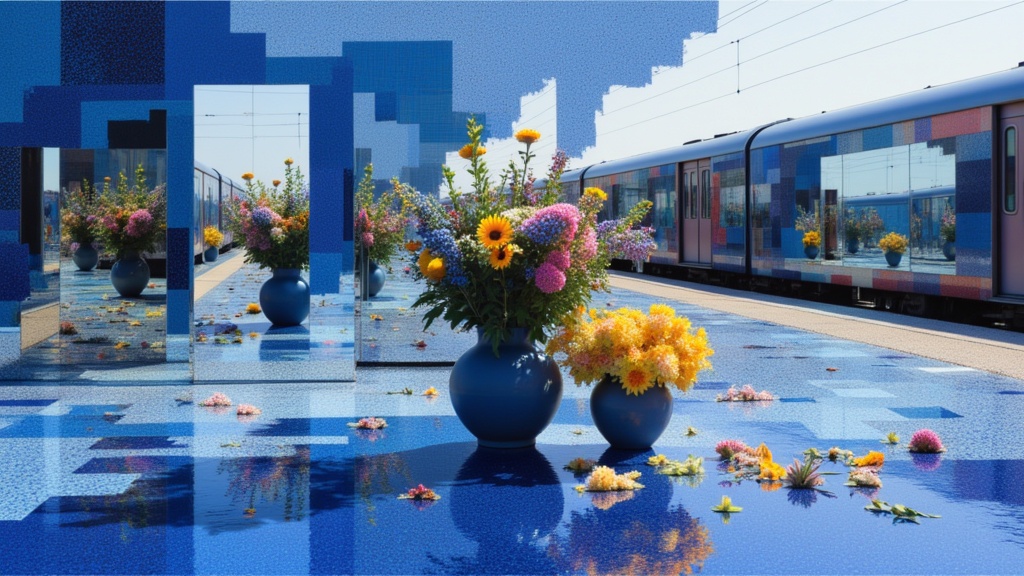
Seedance 2.0 Text to Video API
Cinematic video with native audio
1.4 credits
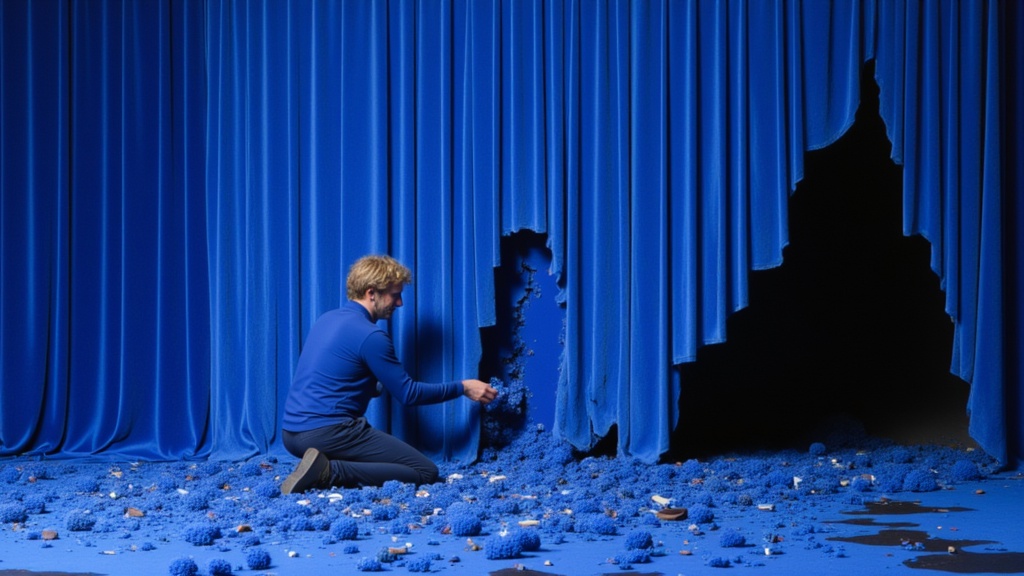
Seedance 2 Reference to Video
Cinematic video from references
10 credits