
NANO BANANA
PRECISION IMAGE EDITING
Edit images with text prompts
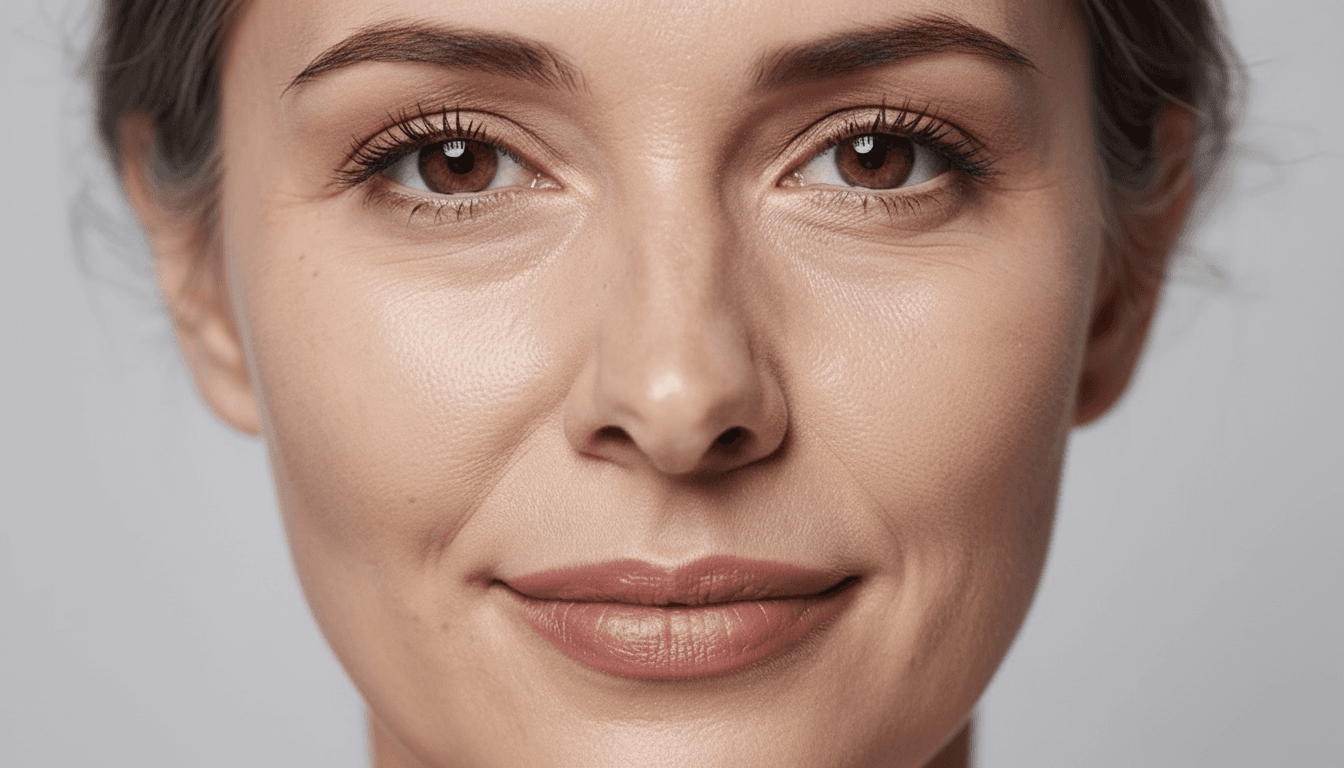
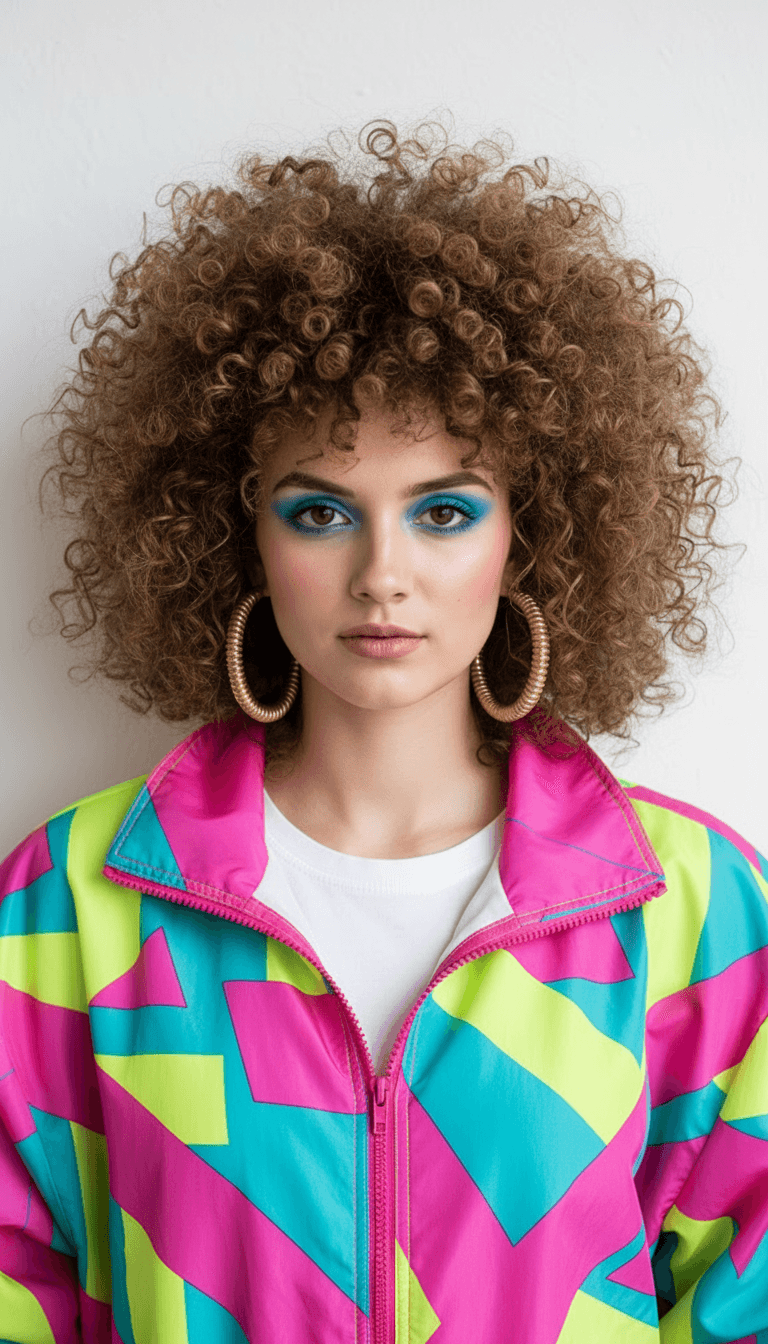

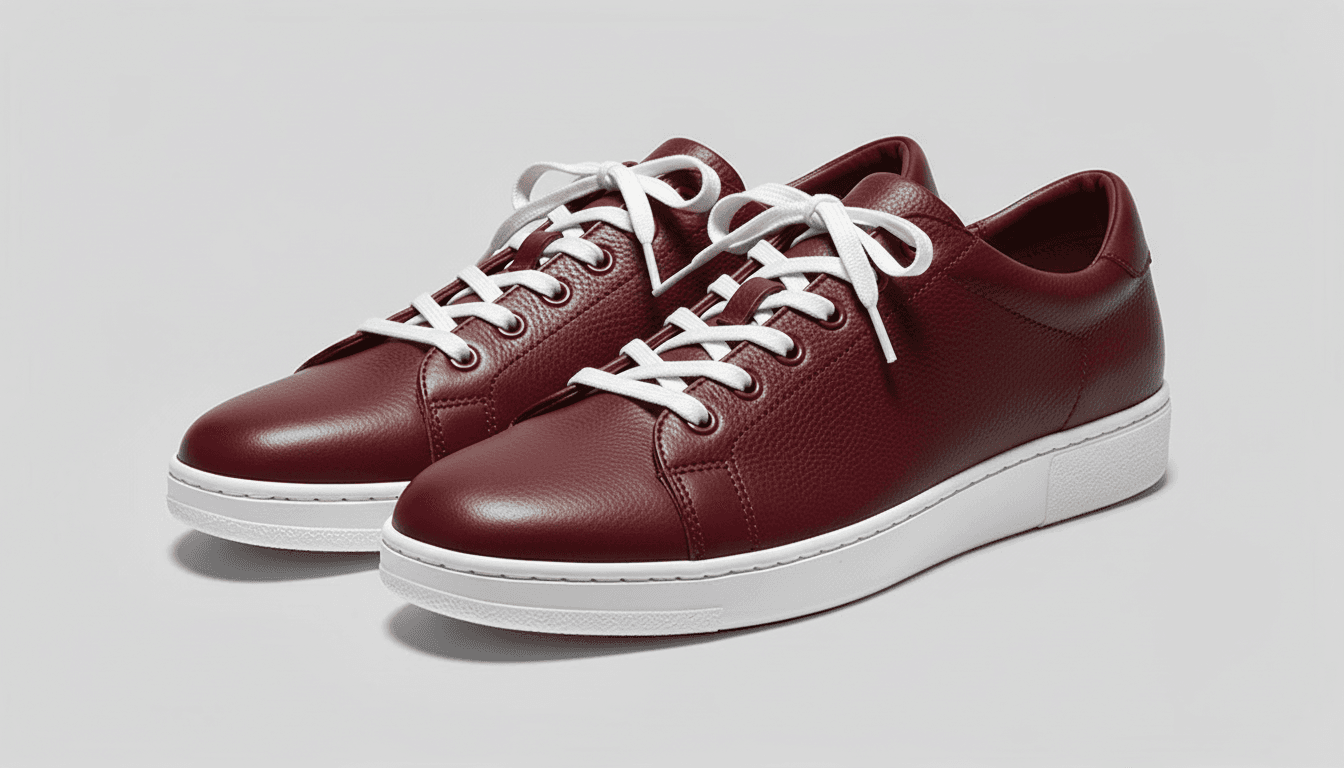
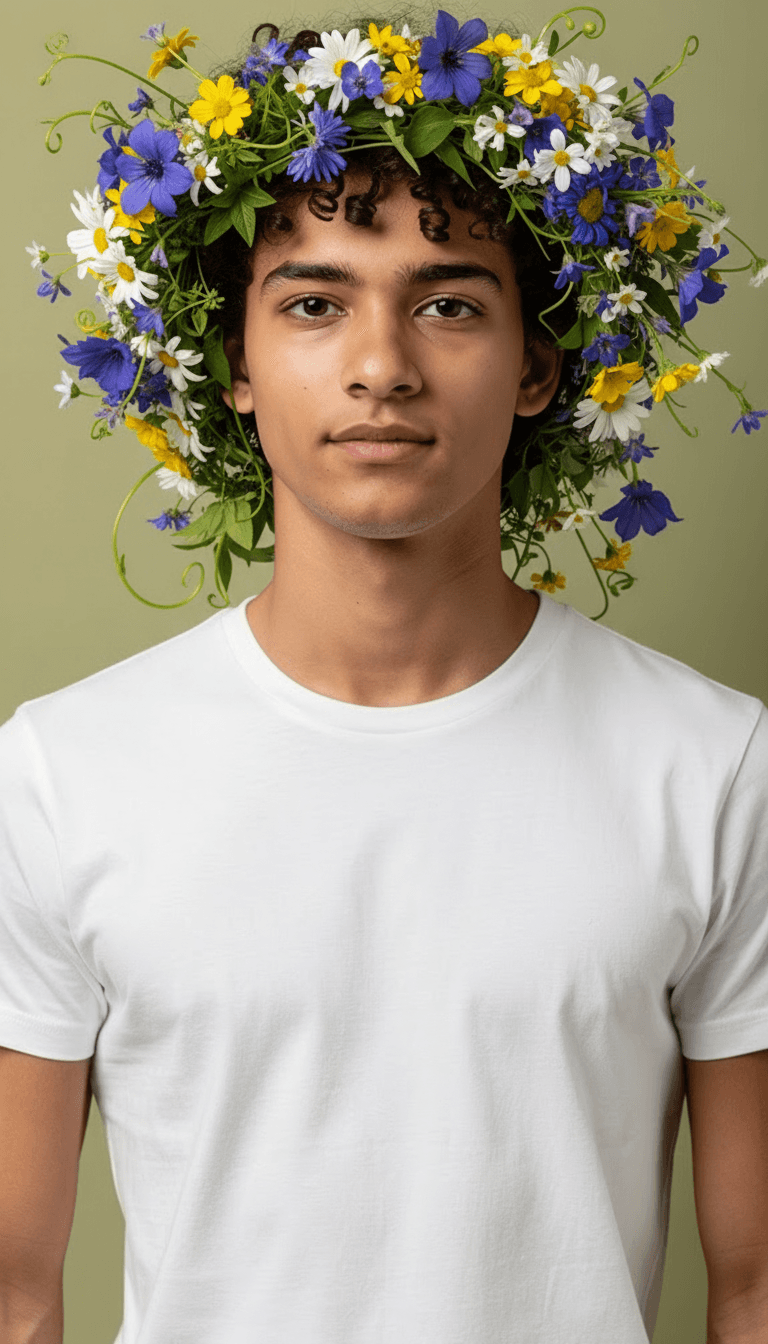
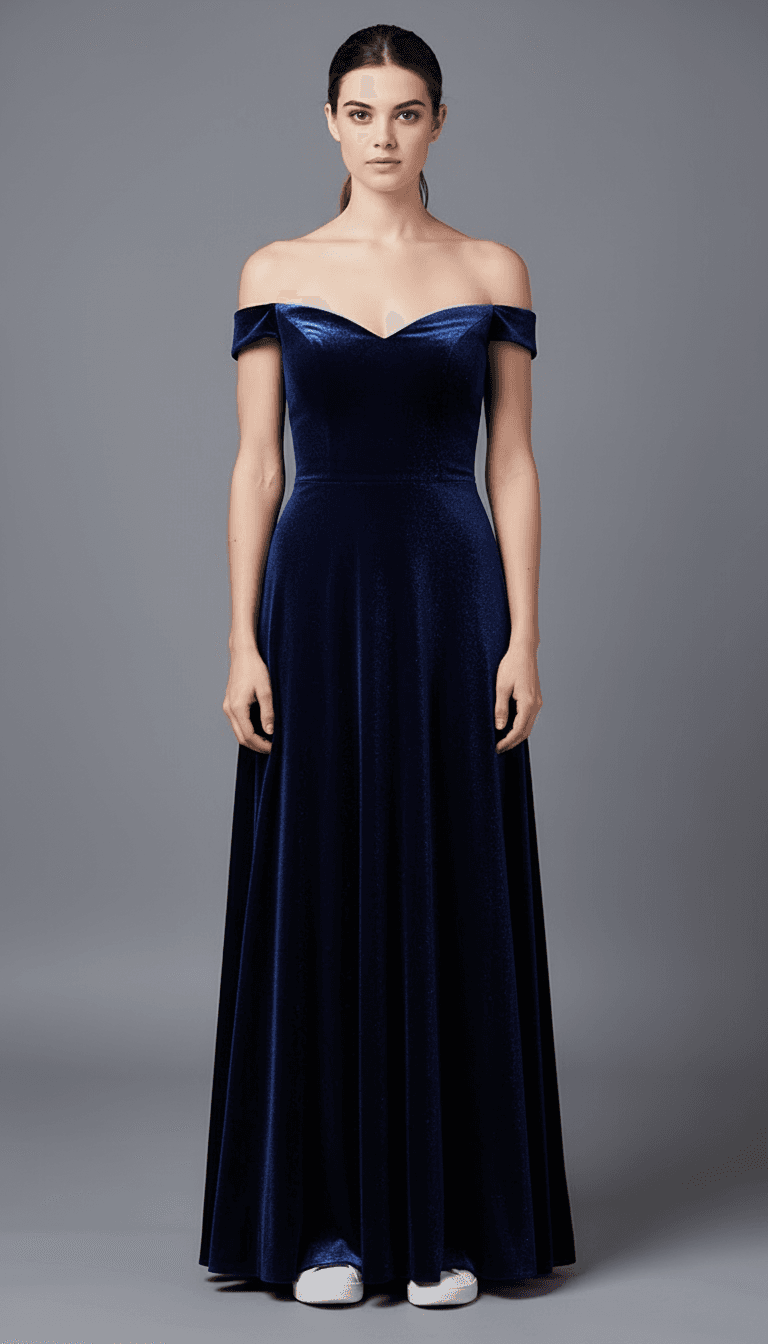
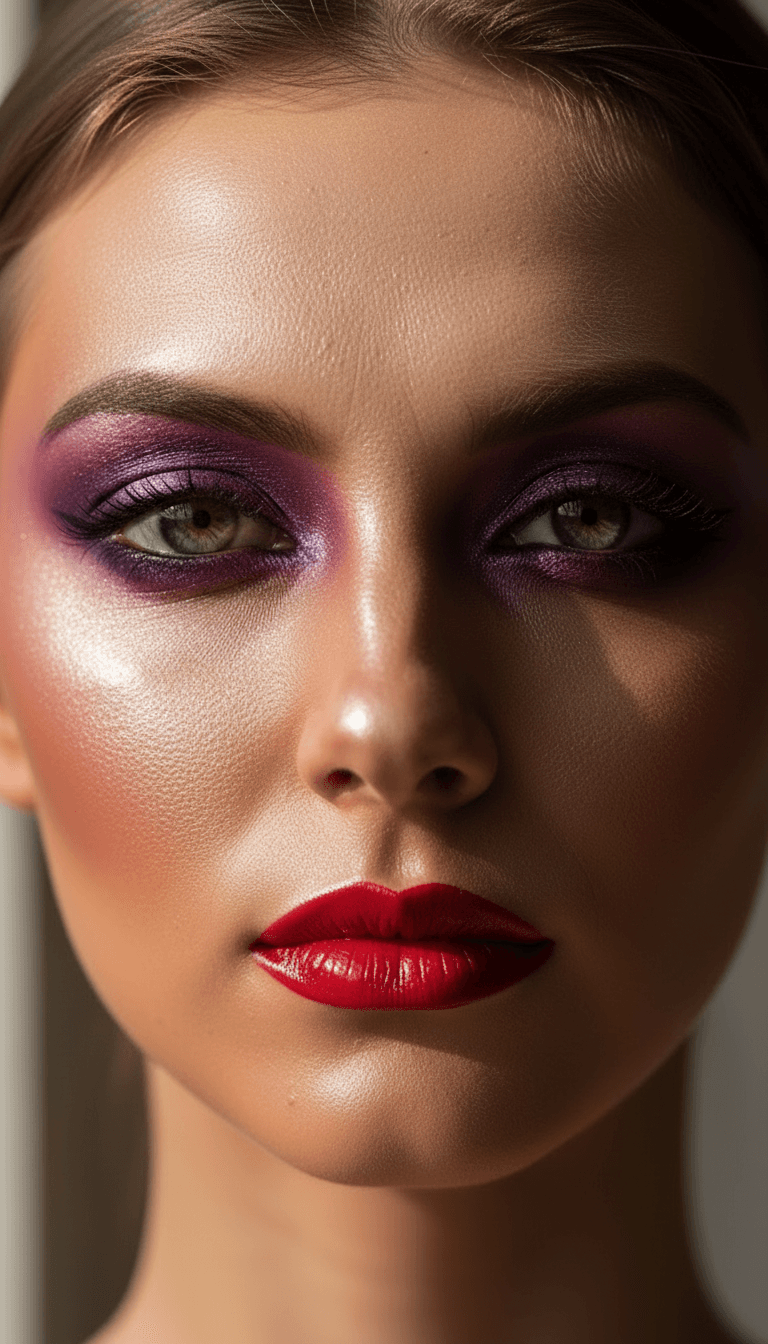

FASHION STYLE TRANSFER

VIRTUAL MAKEUP APPLICATION

CREATIVE HEADWEAR ADDITION
Nano Banana is a cutting-edge image-to-image and image editing model developed by Black Forest Labs, inspired by Google’s most advanced research in creative AI. It invites artists, designers, filmmakers, and content creators to elevate their visuals with unprecedented control and flexibility. At its core, Nano Banana specializes in transforming existing images or photographs using detailed text prompts, making it an essential tool for anyone who wants to reimagine, enhance, or refine visual content with artistic intent.
Key Creative Capabilities:
- Intuitive Text-Based Editing: Nano Banana empowers you to take any existing image—whether it’s a photo, a graphic, or an artwork—and transform it through your imagination. Describe your vision in natural language (for example, “make a photo of the man driving the car down the California coastline”), and watch as the model brings your idea to life.
- Fine-Grained Aspect Ratio Control: From square Instagram posts to cinematic ultra-wide visuals, you can set your preferred aspect ratio. Choose from presets like 21:9, 16:9, 4:3, or keep it automatic, ensuring your creations fit any screen, platform, or print requirement.
- Multiple Images at Once: Generate up to four interpretations of your prompt in a single session, ideal for exploring visual directions and producing variations quickly.
- Flexible Output Formats: Save your final images as PNG, JPEG, or WebP, all in high-resolution. This makes Nano Banana suitable for digital, print, and web use without conversion hassles.
Who Benefits Most: Nano Banana is a powerful tool for anyone who communicates visually.
- Artists and Illustrators can remix their own artwork and experiment with ambitious scenes or lighting changes.
- Designers will love the control over aspect ratios and the ability to update branding visuals or marketing campaigns consistently.
- Filmmakers and Storyboard Artists can quickly create scene variations or mock up visual ideas during pre-production.
- Content Creators and Marketers can rapidly generate fresh photos or images for social media, advertisements, or editorial spreads.
Creative Controls and Customization:
- Prompt-Driven Creativity: Direct the model with richly detailed descriptions—bring your imagination to the forefront and let the model handle the creative translation.
- Aspect Ratio Selector: Tailor the shape and composition of your image output, from vertical stories to classic landscape or stylized formats, with easy preset choices.
- Output Options: Decide how many unique images you want per generation—explore up to four at a time, useful for comparing styles and picking the best.
- Content Safety: Adjust the safety setting to filter out unwanted or sensitive content according to your needs, offering reassurance when working on public or commercial projects.
- Output File Type: Choose between PNG, JPEG, or WebP, giving you the flexibility to match your workflow and platform requirements.
- Random Seed Option: For users who wish to revisit or tweak results, the seed control introduces consistent randomization, letting you explore subtle variations or recreate favorite outputs.
Supported Formats and Styles: Nano Banana thrives on flexibility. Whether you upload high-quality photos, digital art, or images from the web, the model seamlessly integrates your source material. It outputs polished images suitable for diverse uses—whether you need print-ready PNGs or fast-loading WebP files for online portfolios. Aspect ratio options cover a full spectrum, from vertical (perfect for stories and posters) to ultra-wide (capturing the scope of cinematic landscapes).
Limitations and Considerations: All features and best practices are described as documented; there is no mention of specific maximum resolution or file size limits, so it's advisable to start with standard image sizes for optimal results. Content moderation is included, with adjustable safety levels to block inappropriate content based on your comfort and use case needs.
Nano Banana focuses on transforming images with textual guidance and isn’t designed to generate videos or complex animations. Its power lies in reinterpreting and remixing your existing imagery according to your creative direction. For best results, supply clear prompts and quality input images. Complex or contradictory instructions may lead to unpredictable edits, so clarity in your creative brief is rewarded with sharper, more coherent outcomes.
In summary, Nano Banana is a versatile, state-of-the-art creative partner for transforming images using nothing but your words and vision, giving you a suite of options designed expressly for modern creative professionals.
Генерировать с самым передовым редактором изображений
Add the image that you want change
Загрузить изображение
Добавьте изображение для редактирования или преобразования
A woman kneeling in darkness, illuminated by a warm, radiant beam of light emerging from her raised hand.
Опишите изменения
Опишите правки: смена стиля, удаление объектов, улучшения
Начать публикацию
Скачайте профессионально отредактированное изображение
За пределами промпта: новый уровень контроля
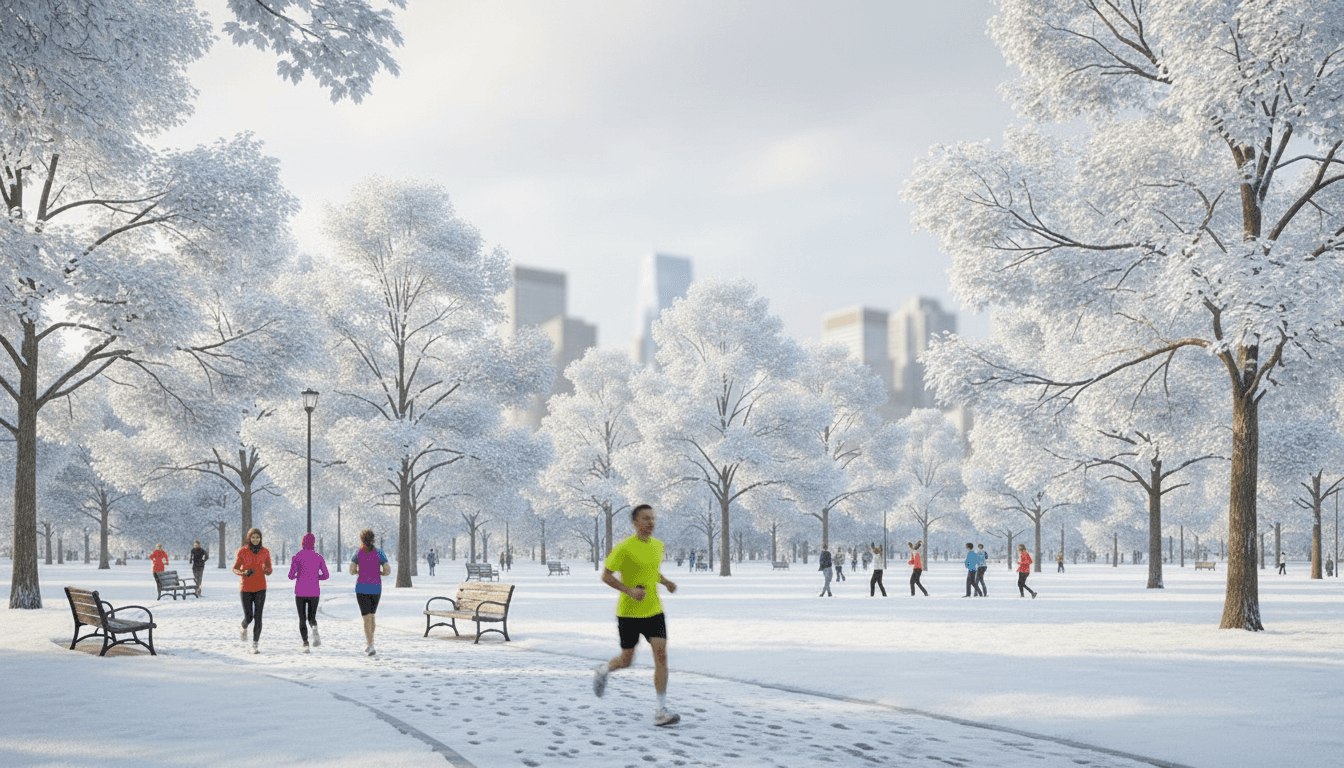
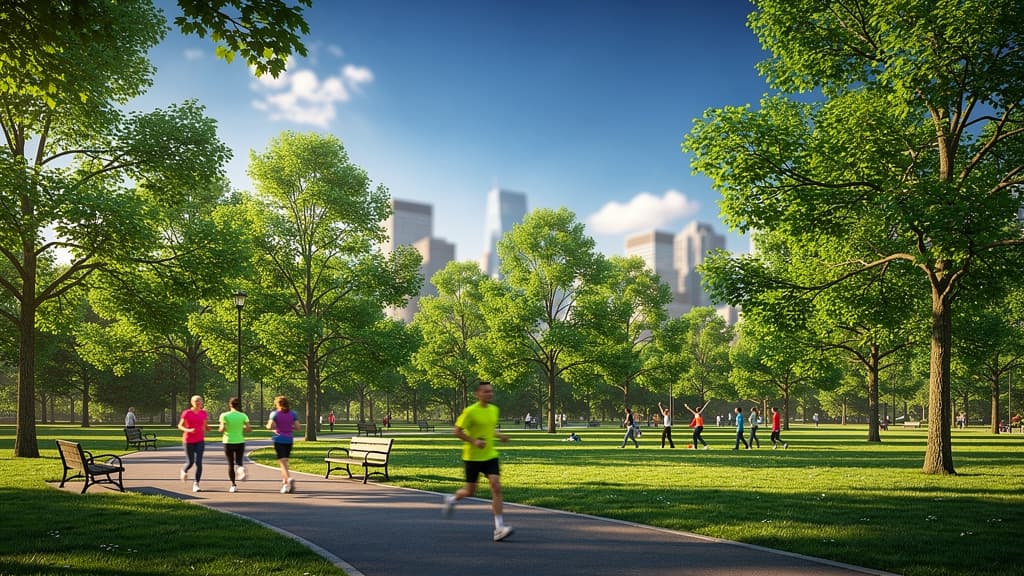
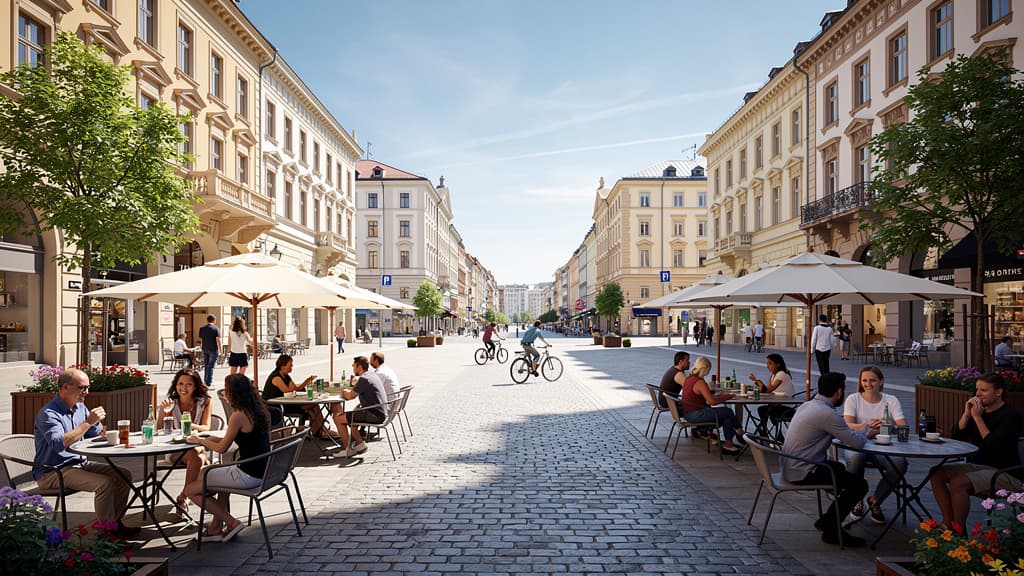
SEASONAL SCENE TRANSFORMATION
Demonstrates large-scale scene editing by changing the season of an entire landscape, useful for visual storytelling or travel agencies.
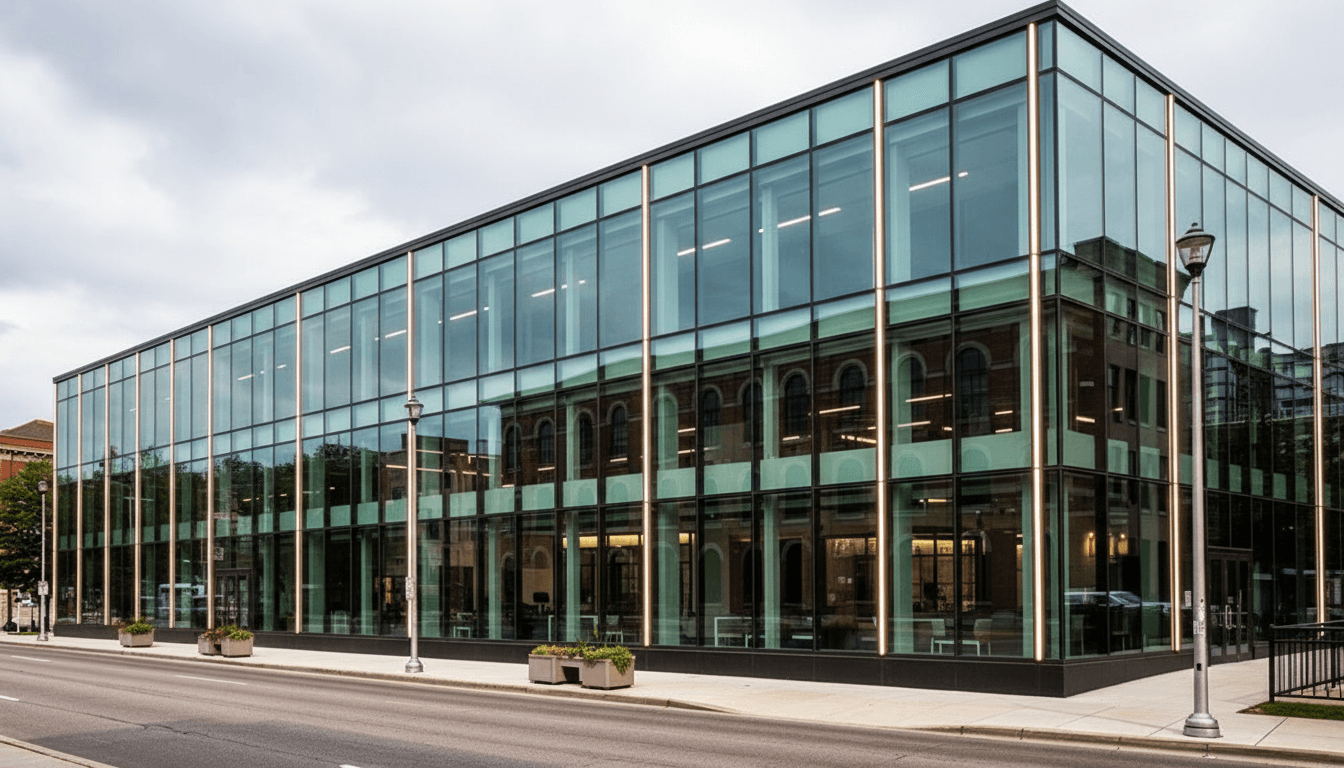
ARCHITECTURAL DESIGN MODIFICATION
Highlights the model's ability to reimagine and refurbish building exteriors for architectural visualization and client presentations.

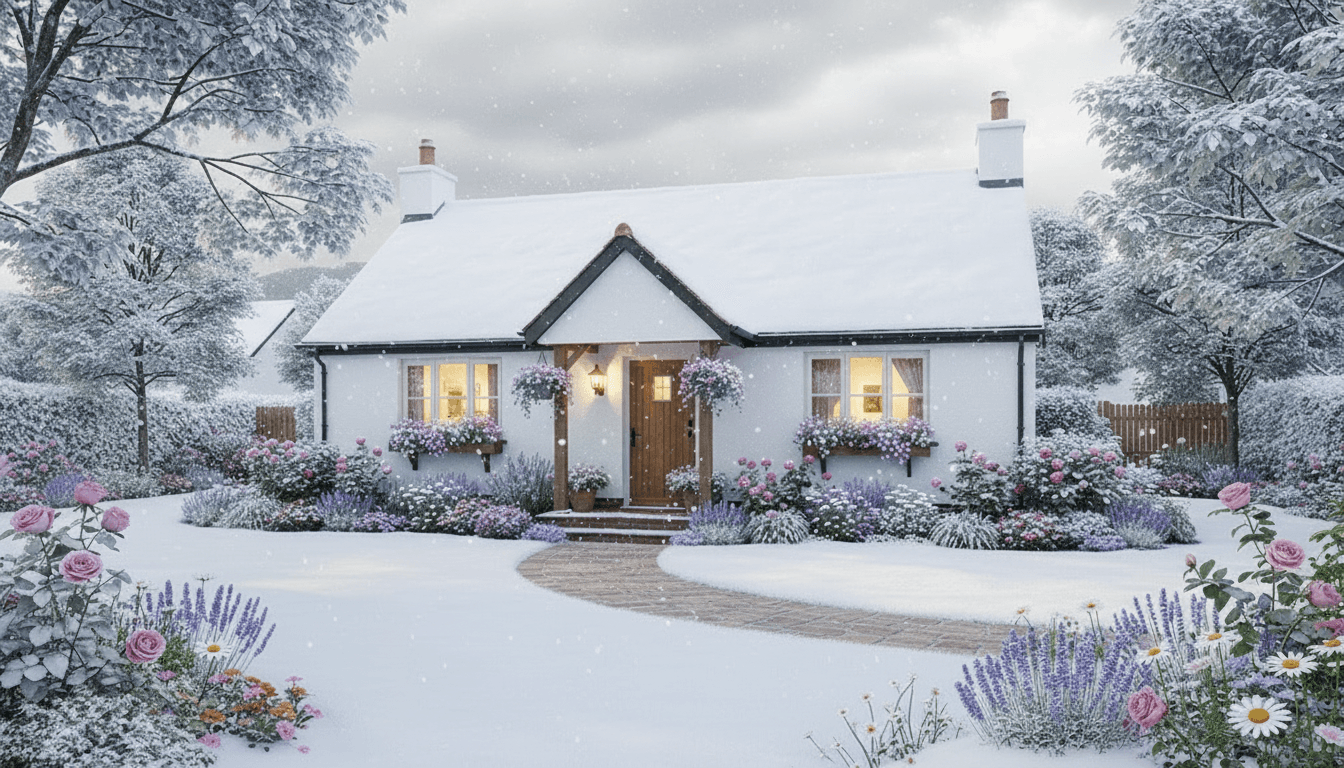
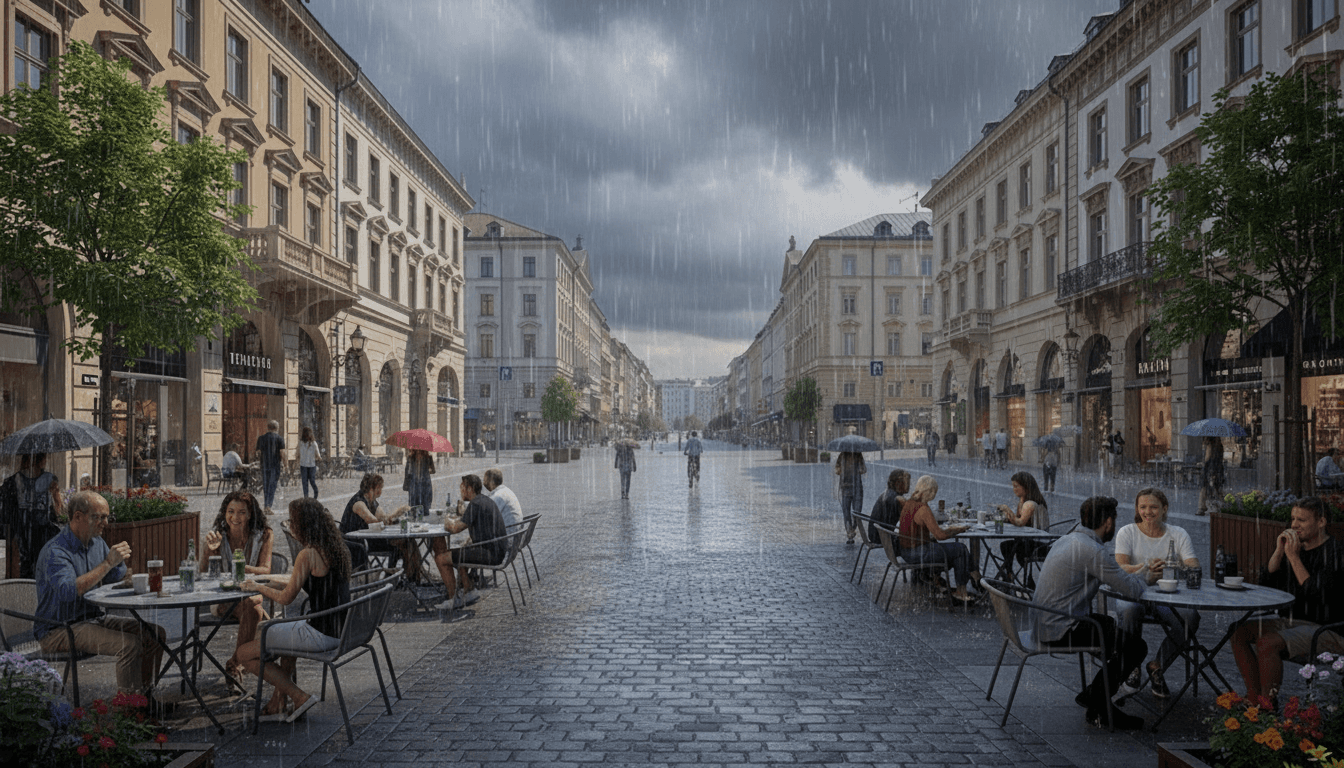
DYNAMIC WEATHER SIMULATION
Showcases the model's power to simulate dramatic environmental changes, enhancing creative direction and campaign planning.
Сравнить с похожими моделями
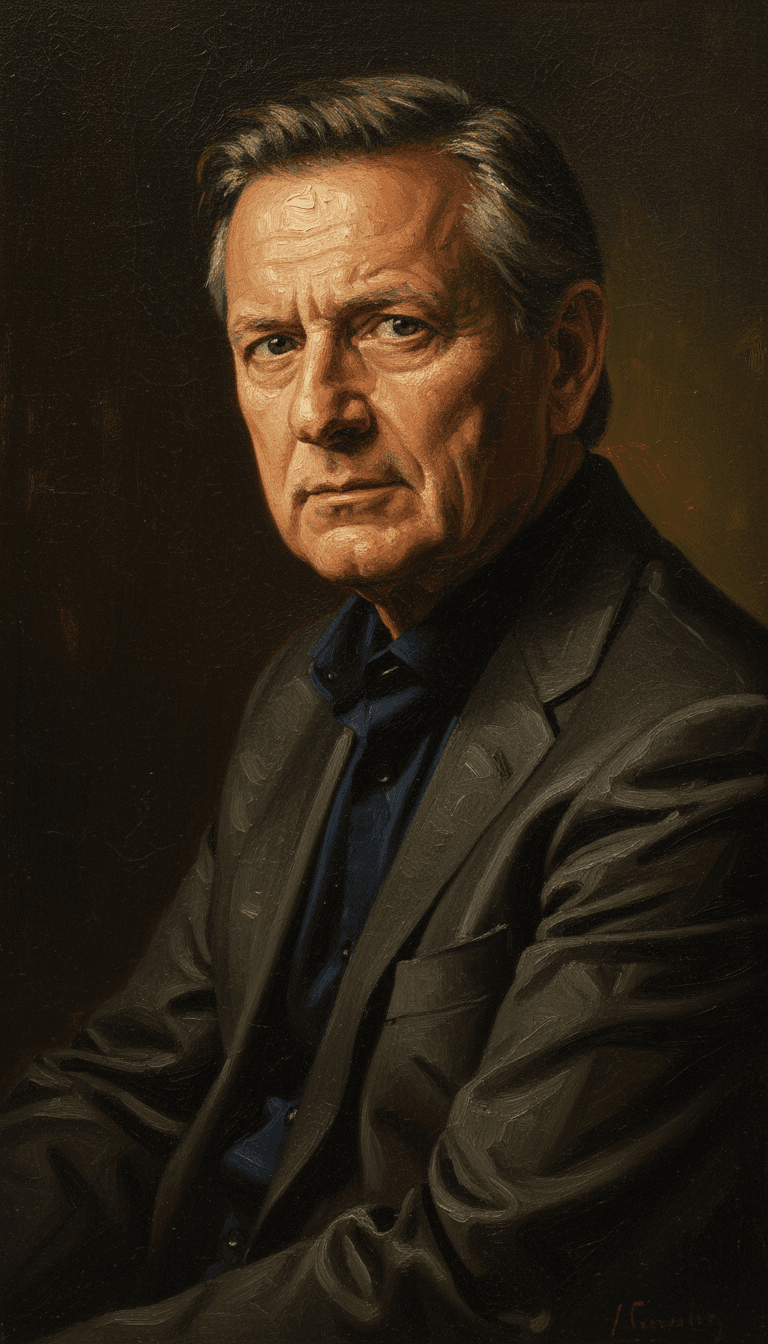
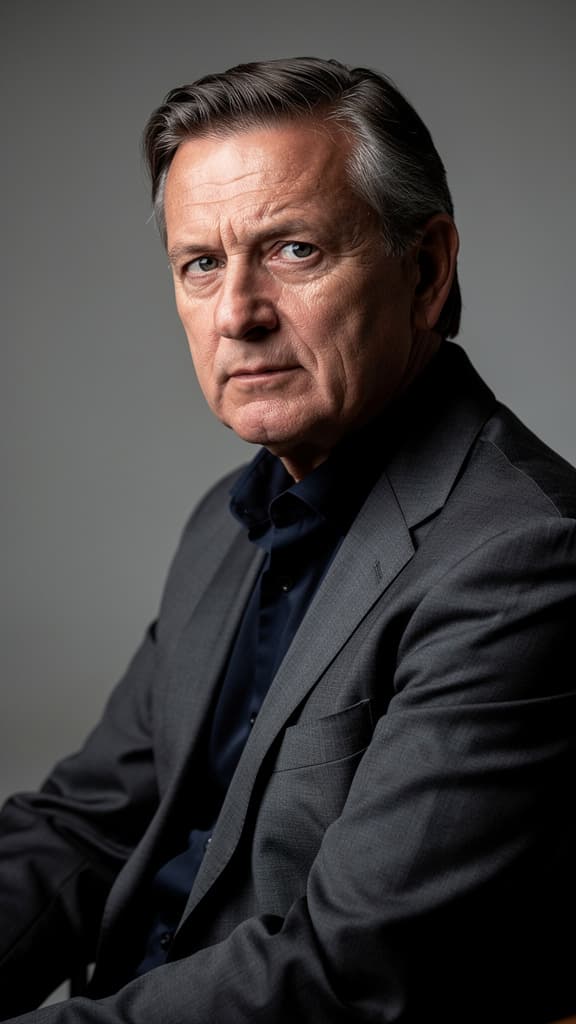
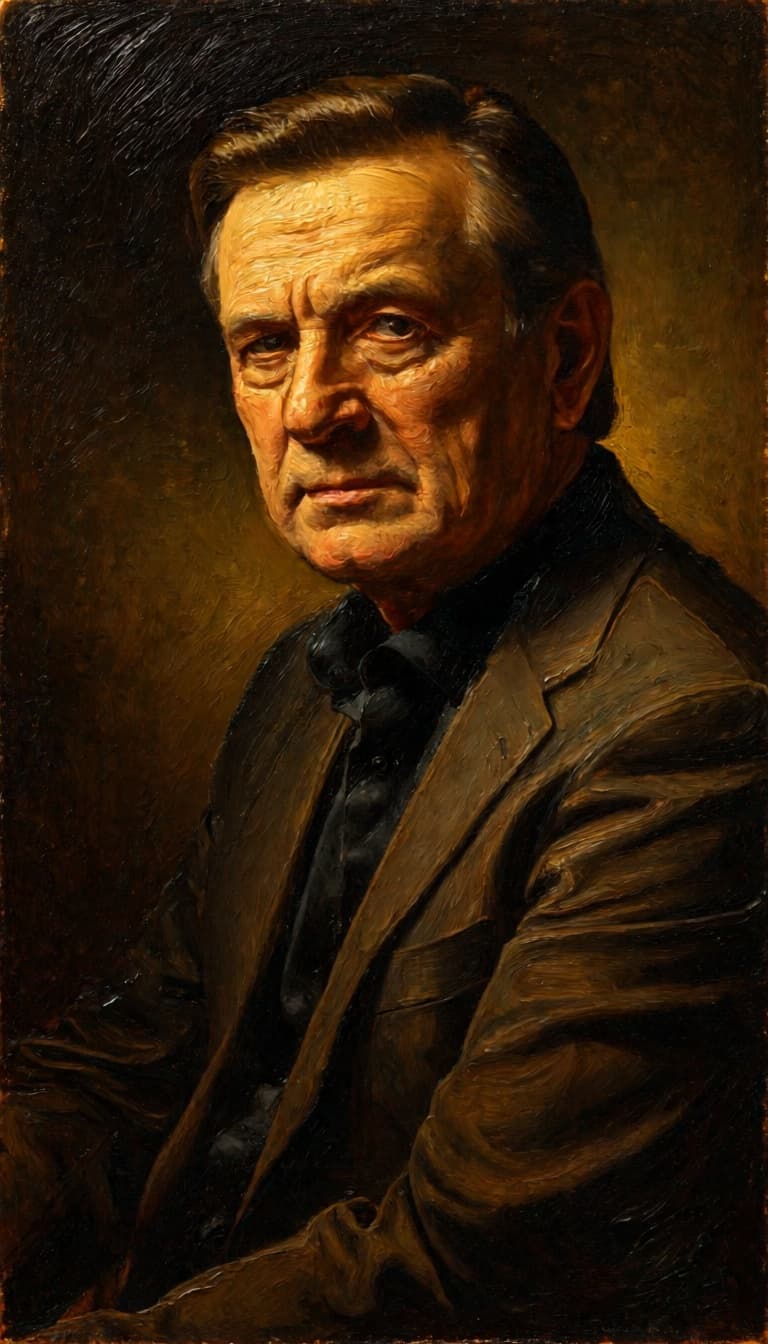
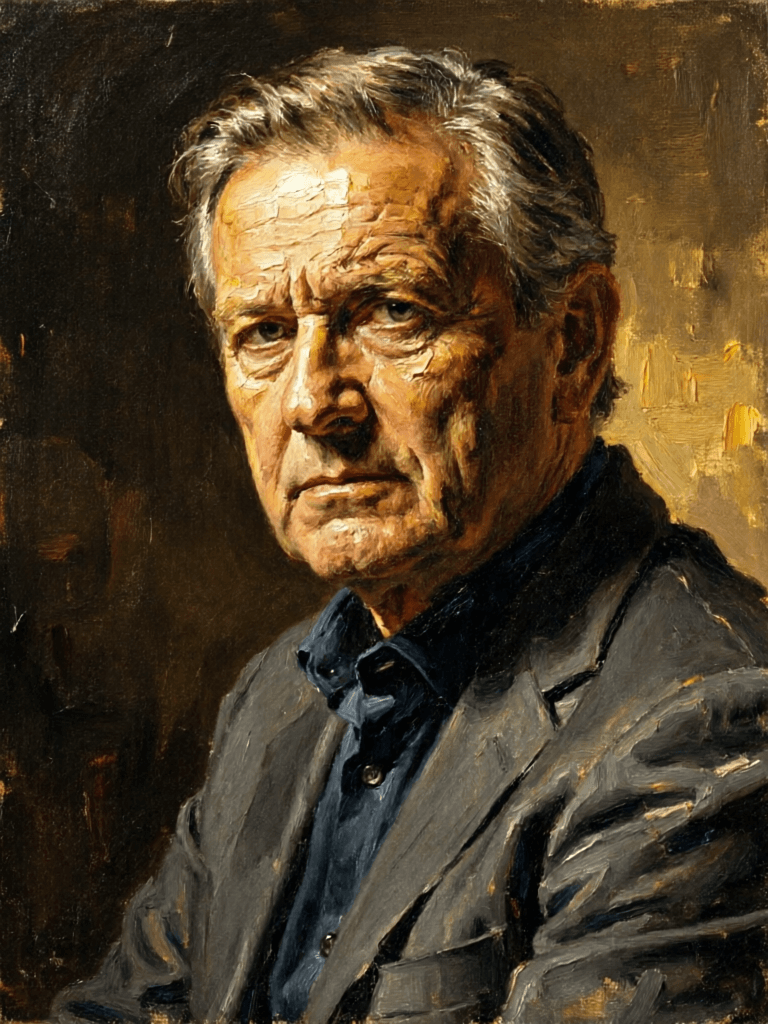
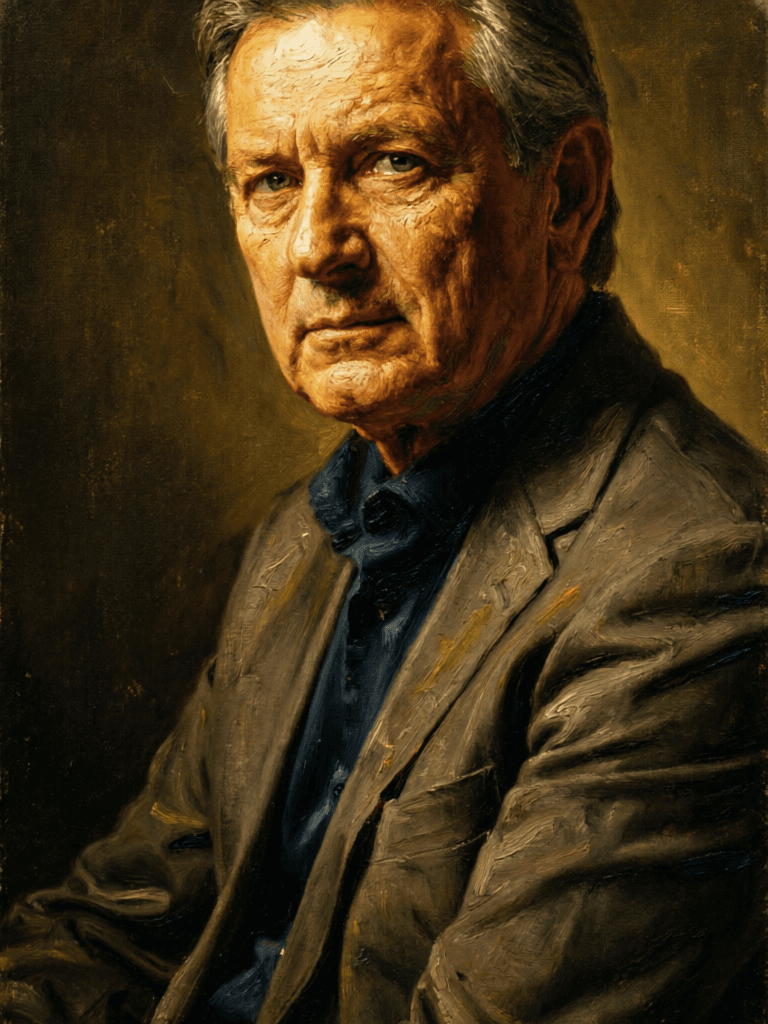
“Transform into a classical oil painting in the style of Rembrandt. Add visible impasto brushstrokes with thick paint texture. Apply warm golden undertones and dramatic chiaroscuro lighting with deep shadows. Enhance the dramatic contrast while preserving facial structure and expression. Add subtle canvas texture visible through the paint layers.”
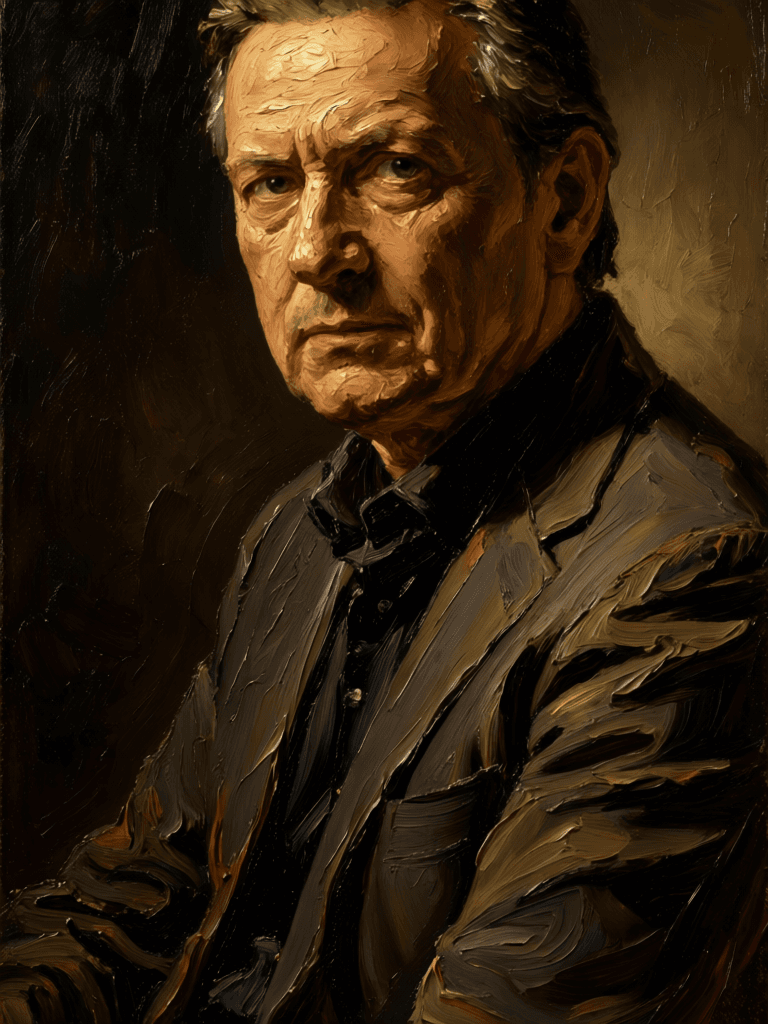
![FLUX.2 [klein] 4B LoRA output](/_next/image?url=https%3A%2F%2Fassets.shortgenius.com%2Fexample-model-output%2F10a63e77-67c3-46e6-83d3-b7b93355e72c.png&w=3840&q=75)
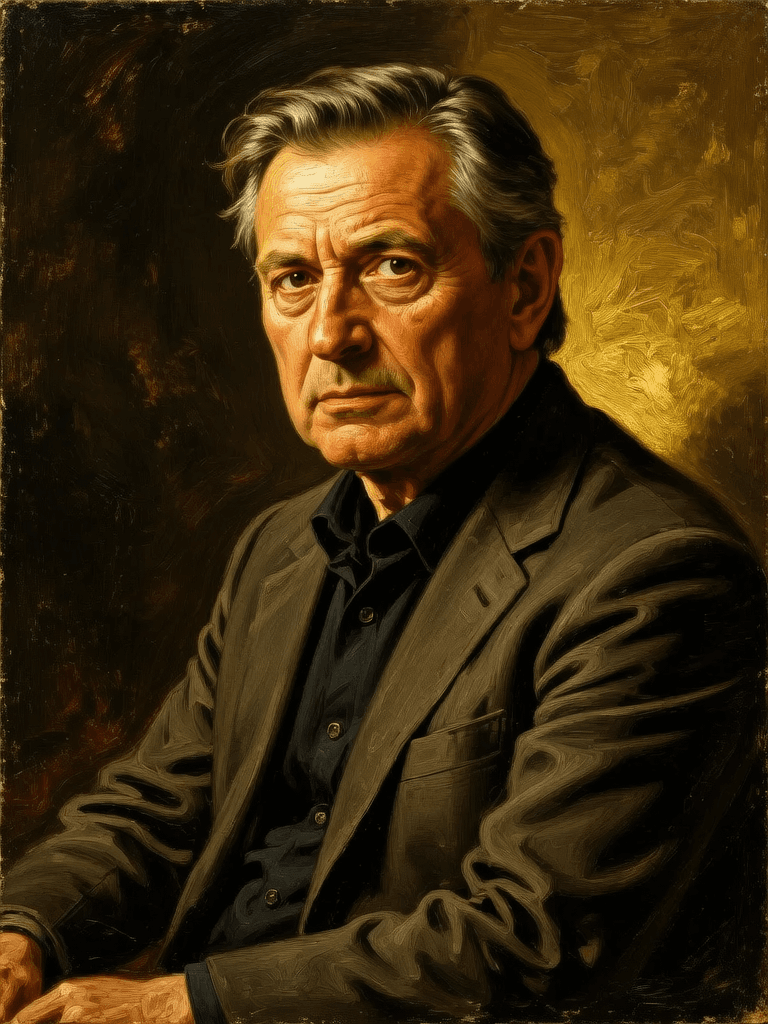
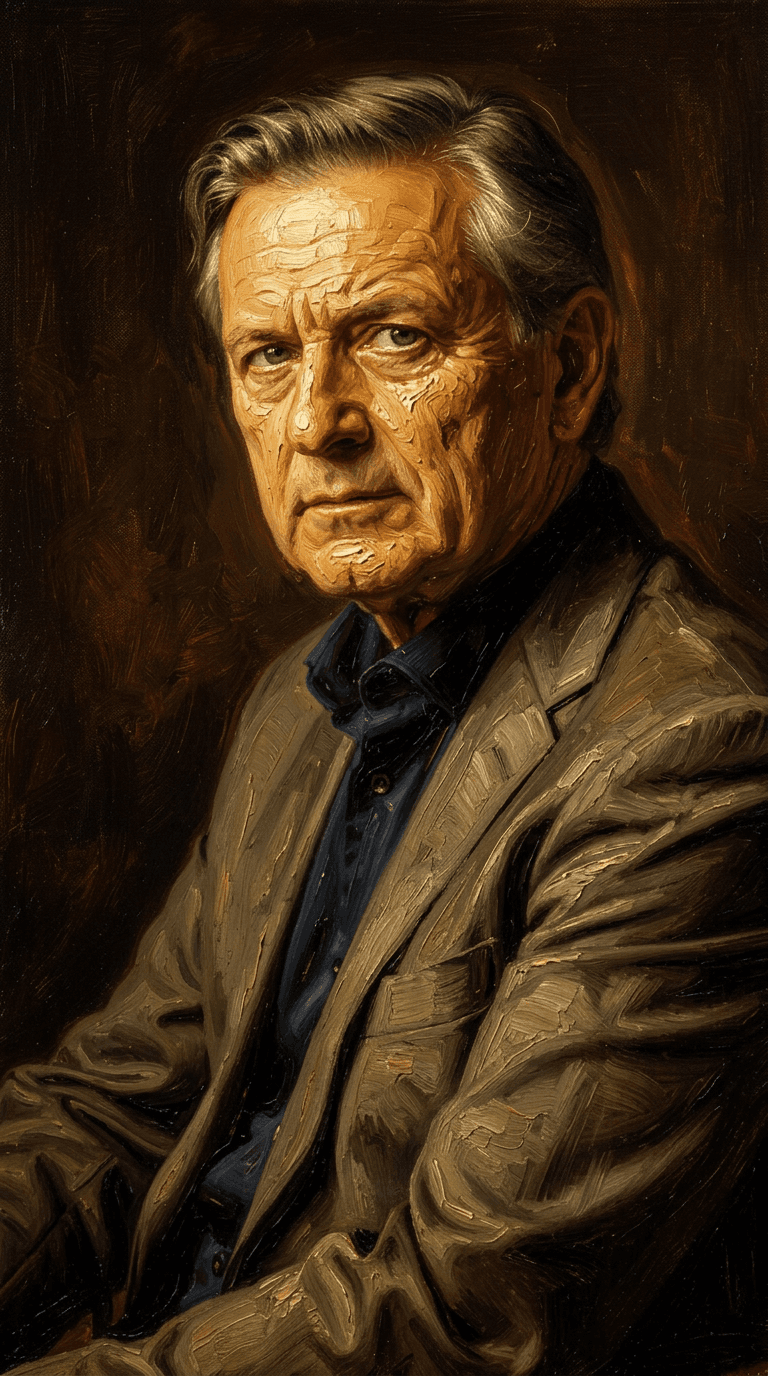
![FLUX.2 [klein] 9B LoRA output](/_next/image?url=https%3A%2F%2Fassets.shortgenius.com%2Fexample-model-output%2Fcbfd8f70-6bf2-467b-918f-b020118b8db0.png&w=3840&q=75)
Ощутите совершенство с Nano Banana
Перейдите на синтез с поддержкой рассуждений уже сегодня
Часто задаваемые вопросы
Похожие модели
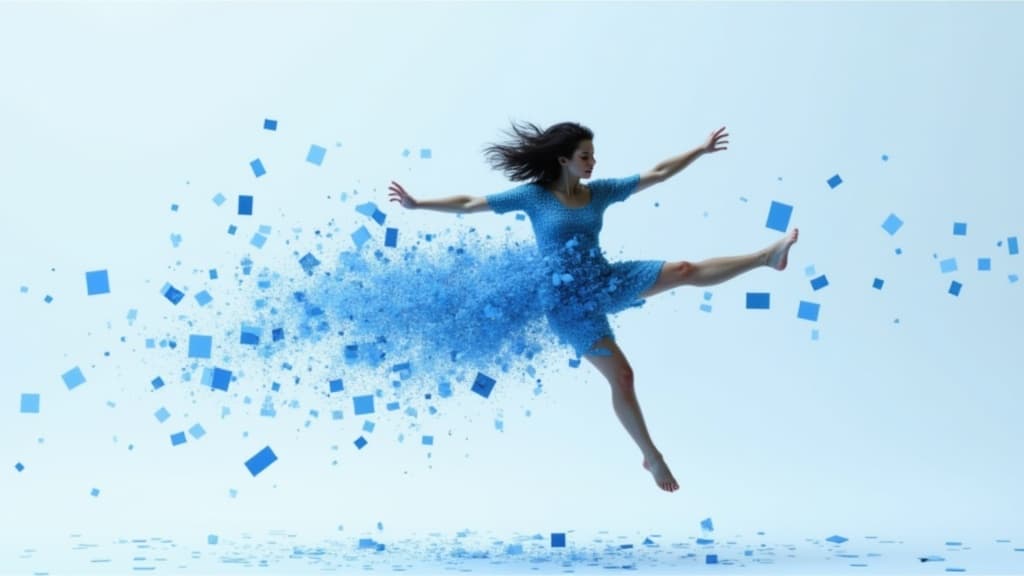
Gemini 3.1 Flash Image Preview
Ultra-fast Google image editing
0.7 кредитов
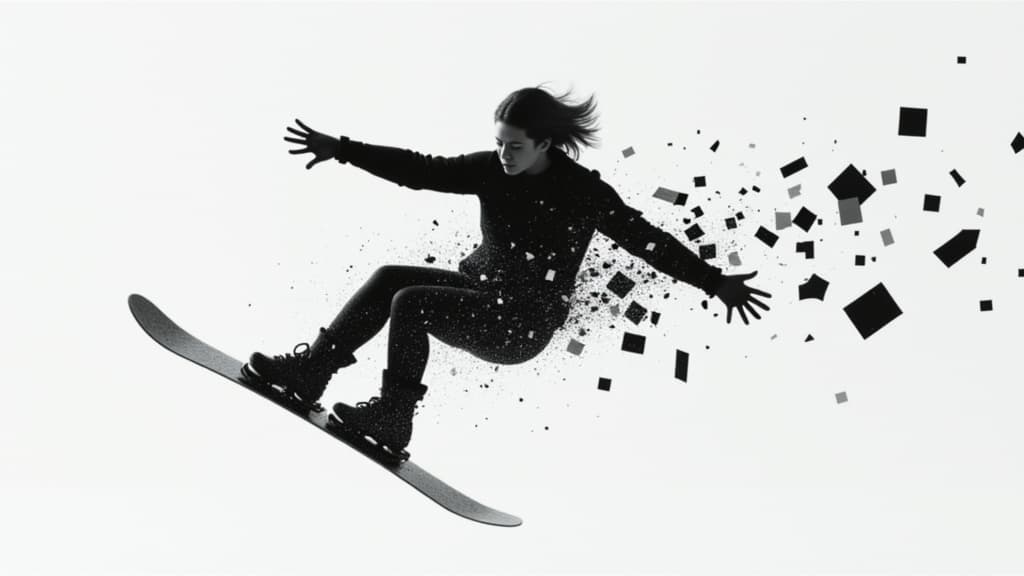
Qwen Image 2
Unified image editing and generation
0.6 кредитов
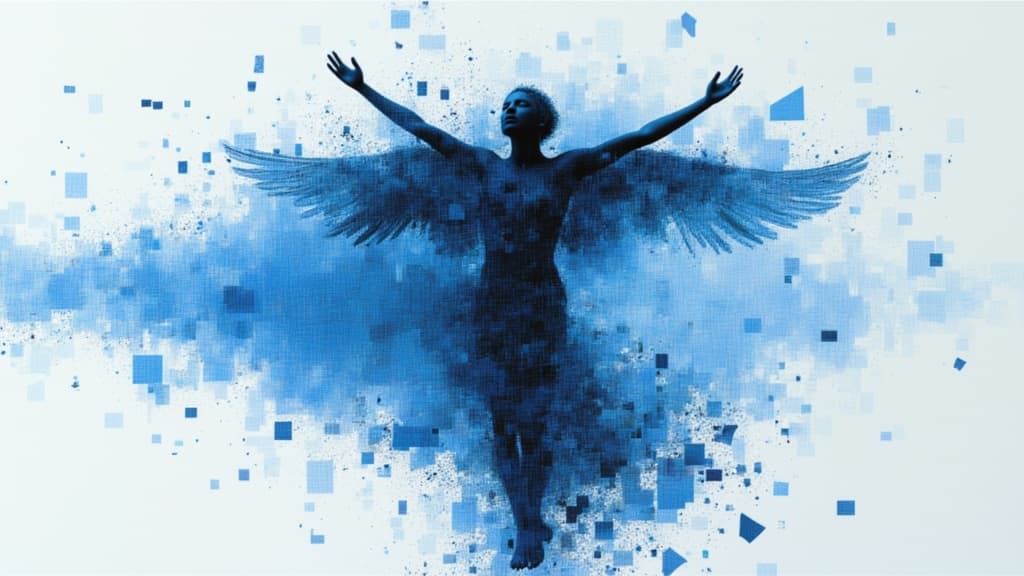
Nano Banana 2
Google's advanced image editing
0.7 кредитов
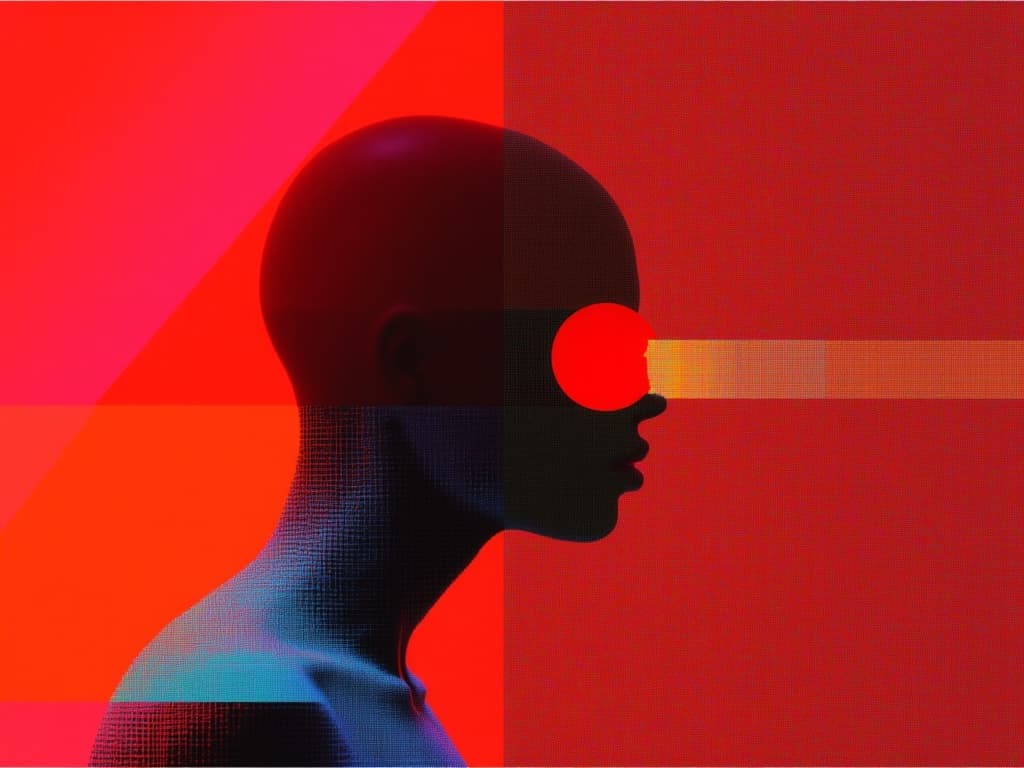
Bytedance
Fast intelligent multi-image editor
1.3 кредитов
![FLUX.2 [klein] 9B LoRA](/_next/image?url=https%3A%2F%2Fv3b.fal.media%2Ffiles%2Fb%2F0a928e3b%2FsIC-Ne9BMwZZtBvR3FwKN_9a724704a550471a9df59999e9e1017f.jpg&w=3840&q=75)
FLUX.2 [klein] 9B LoRA
Precise natural language image editing
0.5 кредитов
Qwen Image Edit 2511
Edit images using text prompts
0.5 кредитов
Qwen Image 2
Unified AI image editing model
0.5 кредитов
Wan v2.6 Image to Image
Edit images using reference photos
0.3 кредитов
![FLUX.2 [klein] 9B LoRA](/_next/image?url=https%3A%2F%2Fv3b.fal.media%2Ffiles%2Fb%2F0a928dd2%2FyFNW07YLHtp5zuE4eJAW1_e2f89915a1b740559b3c652b0b028296.jpg&w=3840&q=75)
FLUX.2 [klein] 9B LoRA
Precise image edits, color control
0.3 кредитов