
BRIA 3.2 TEXT-TO-IMAGE
EVOLUTION OF IMAGE GENERATION
Licensed, safe, commercial image generation
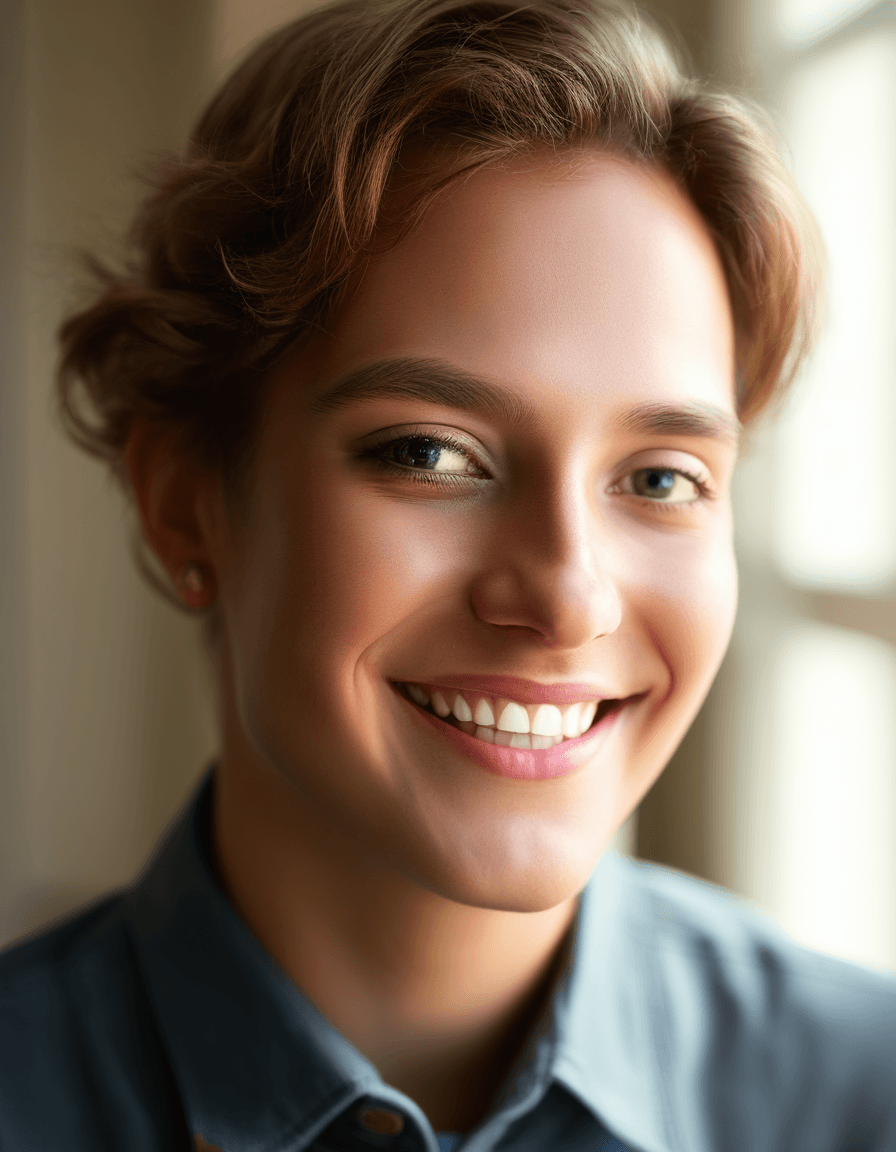

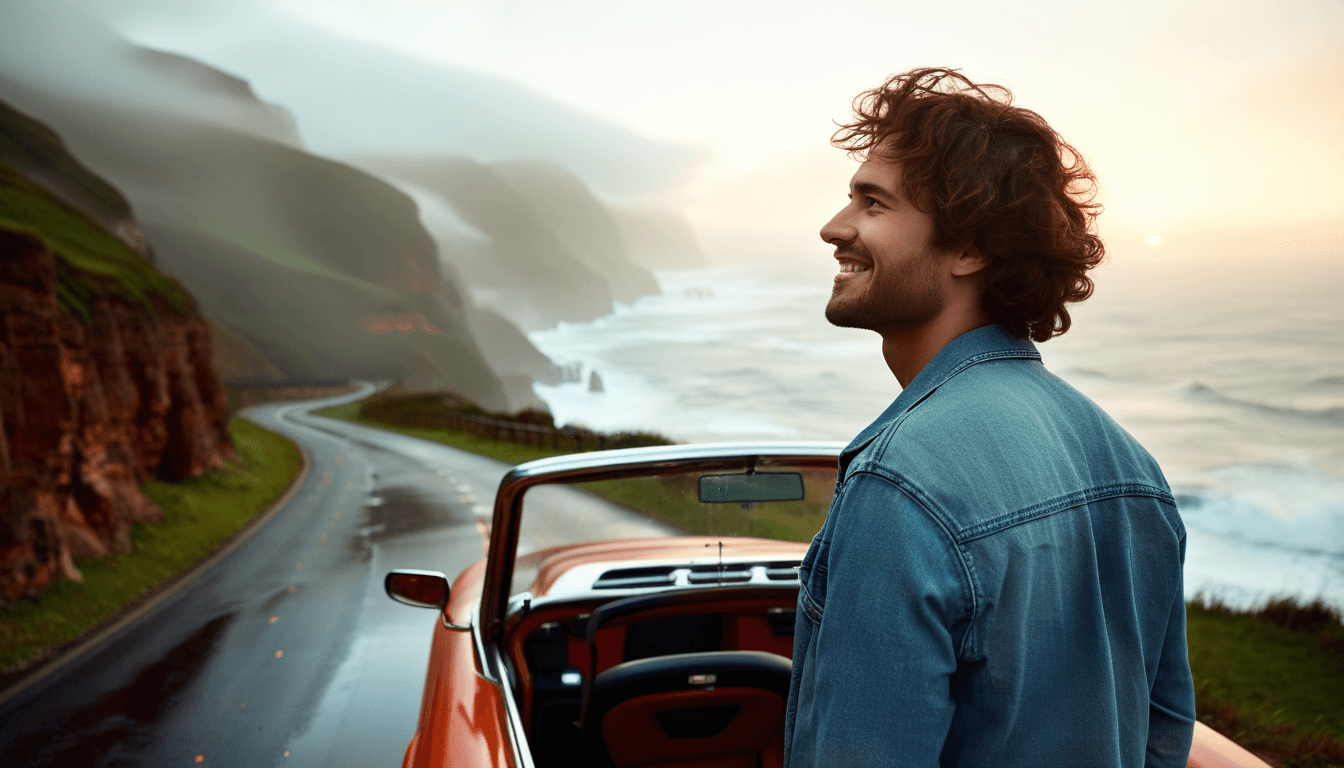
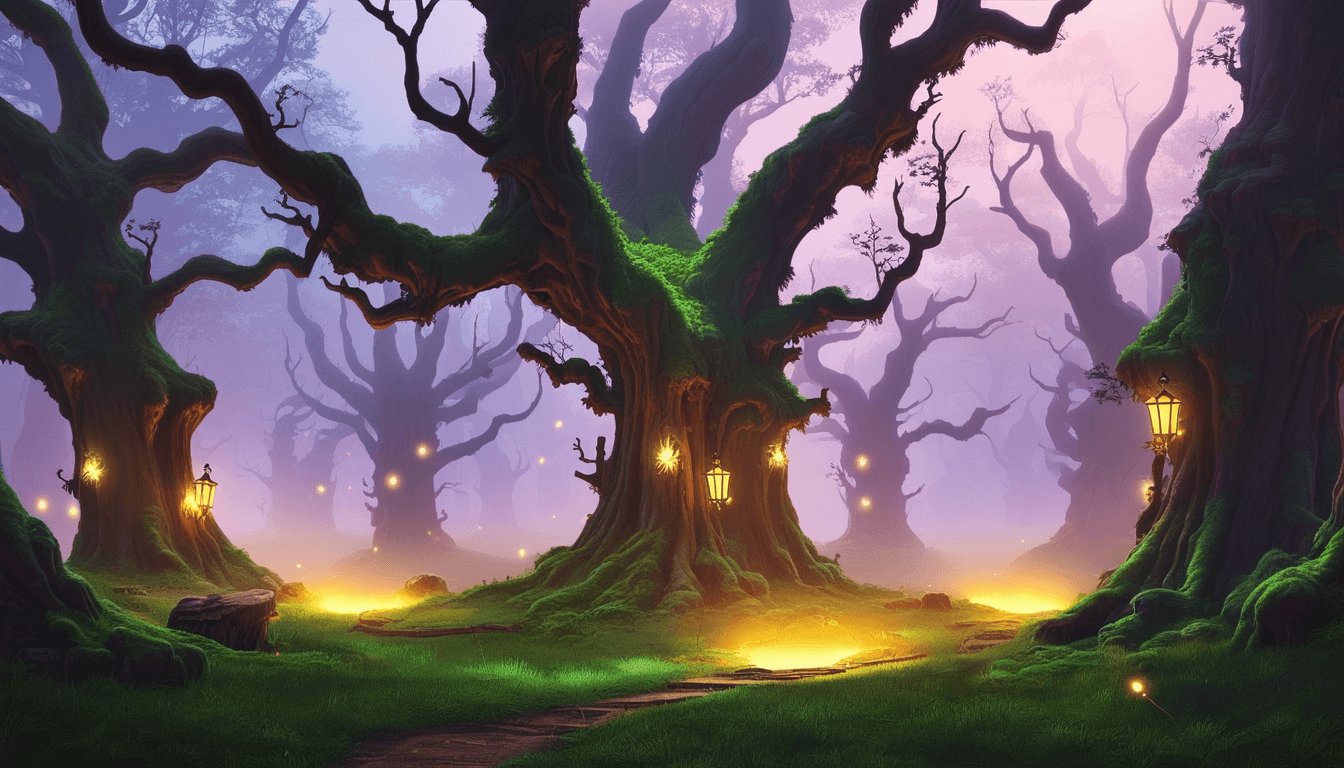
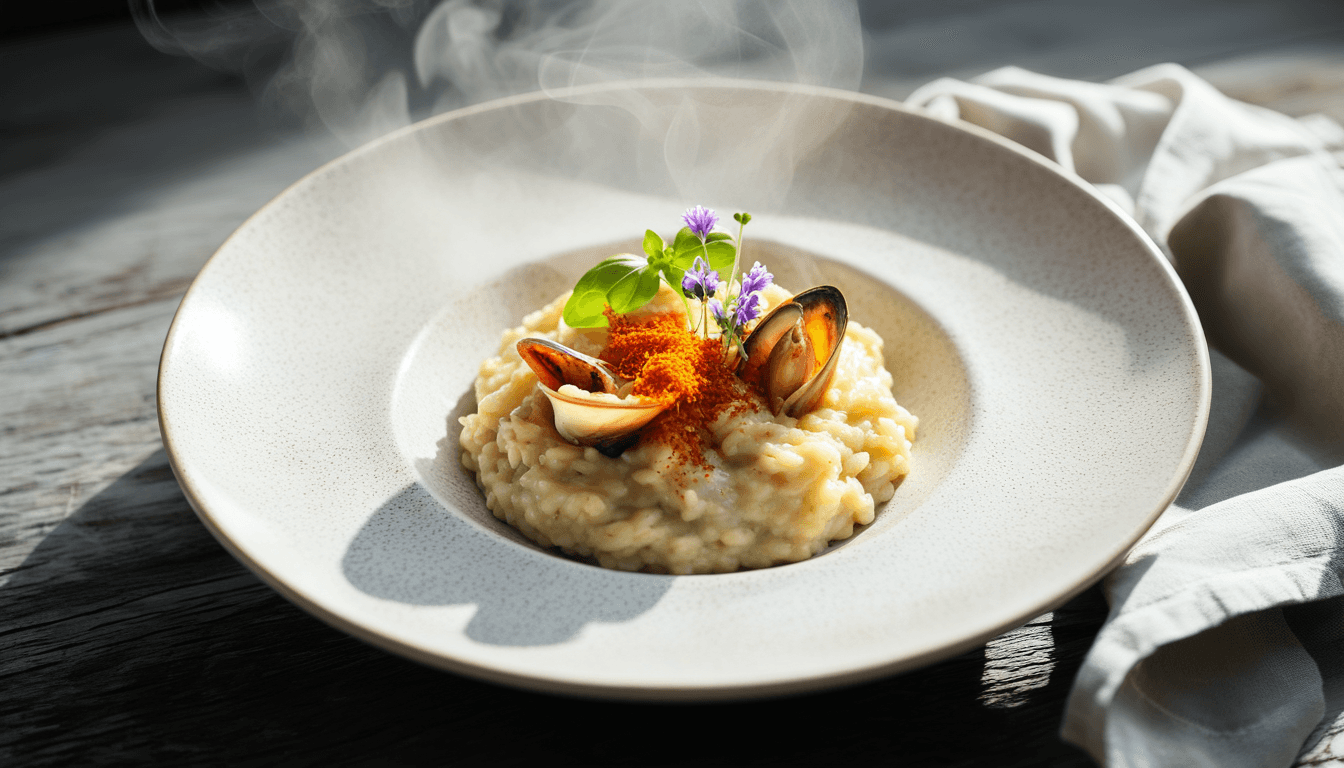

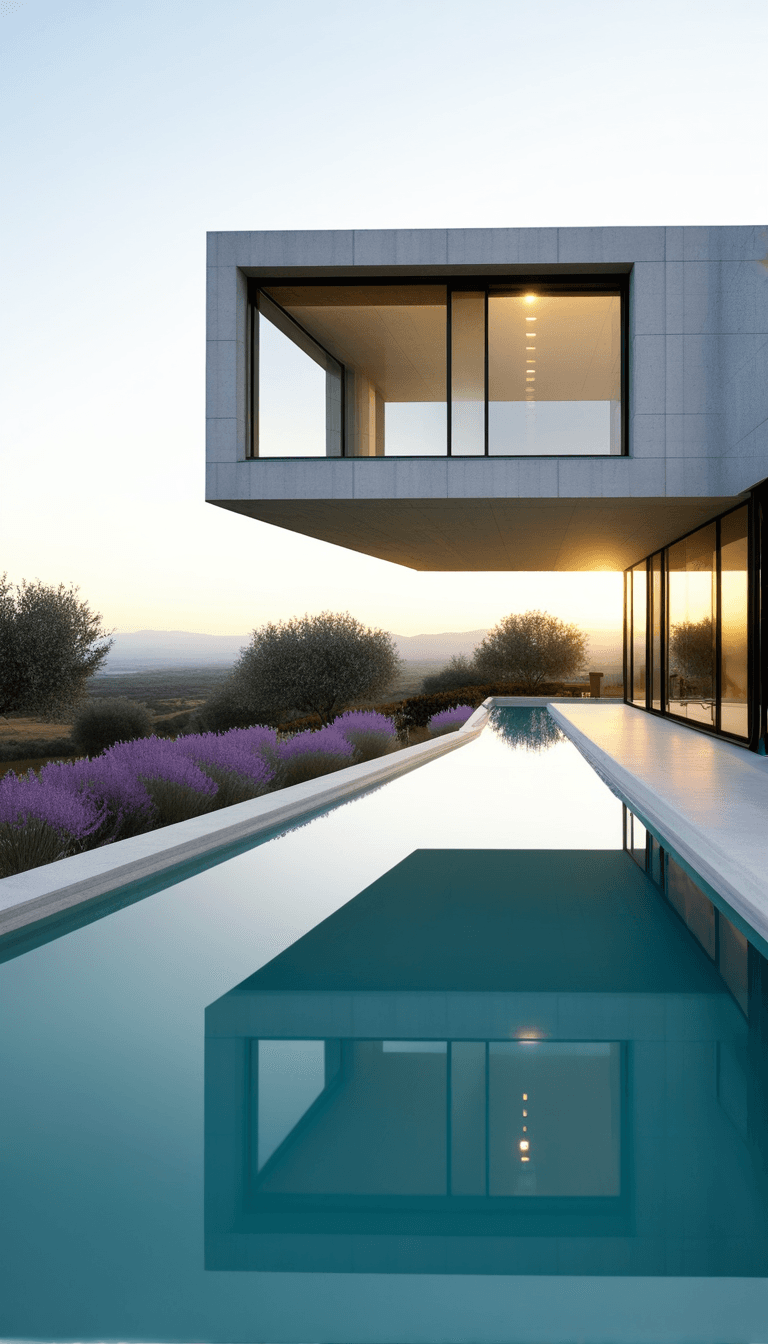

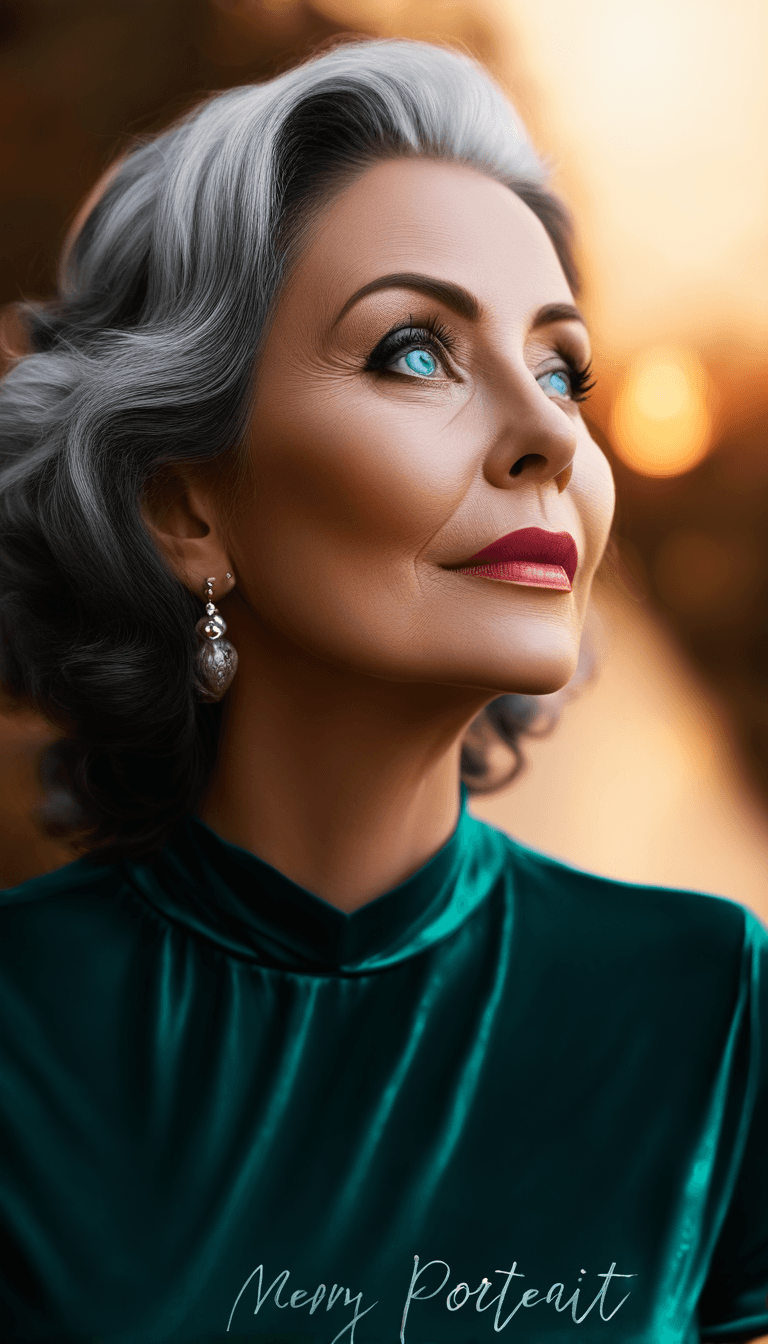
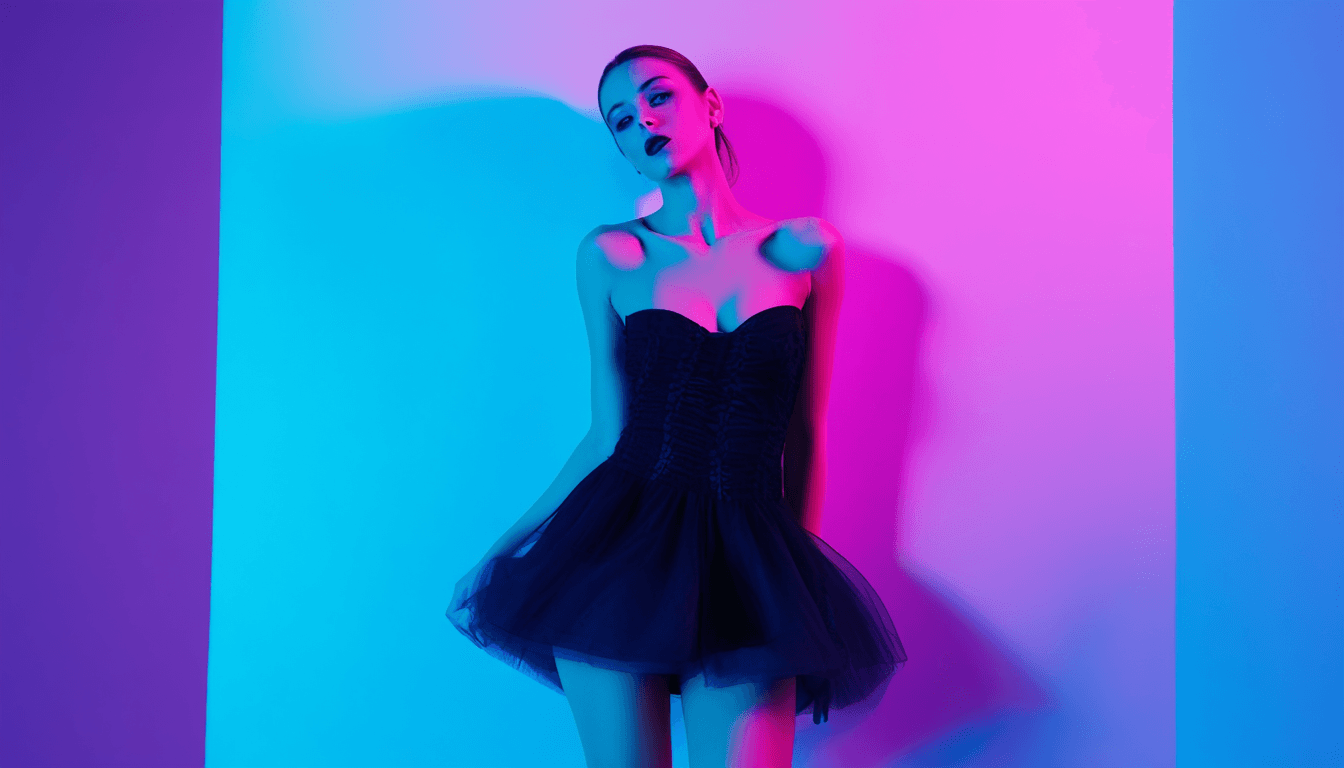

EDITORIAL FASHION PORTRAIT
LIFESTYLE CONTENT CREATION
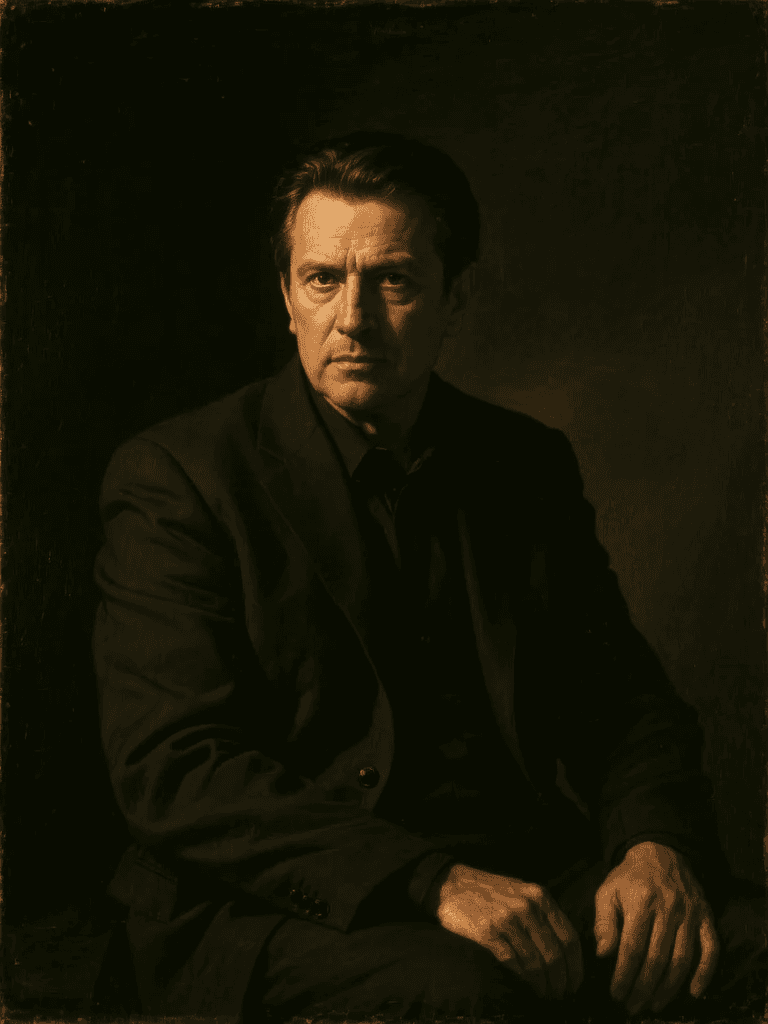
ARTISTIC PORTRAIT ILLUSTRATION
Bria 3.2 Text-to-Image is a text-to-image generation model designed to transform natural language prompts into high-quality, visually rich images. This model is distinguished by its training regime, which utilizes exclusively licensed data. This deliberate dataset choice positions the model as particularly well-suited for safe, unrestricted commercial use, where concerns about intellectual property and data sourcing are paramount.
Bria 3.2 excels in two notable areas: text rendering and image aesthetics. When a user provides a written prompt—such as “Oil painting of a fluffy, wide-eyed cat sitting upright, holding a small wooden sign reading ‘Feed Me.’ Rich textures, dramatic brushstrokes, warm tones, and vintage charm”—the model is able to generate detailed digital images that capture both the semantic intent and visual richness of the description. Its heightened performance in text-rendering makes it especially adept at producing images that contain legible, natural-looking written elements, such as signs, labels, or product packaging.
Users interact with Bria 3.2 primarily through a form-based interface or via an API, providing a customizable set of parameters that fine-tune the image generation process. The configurable input fields include:
- Prompt (required): A textual description of the desired image.
- Num Inference Steps: Controls the number of inference cycles (minimum 20, maximum 50, default 30) for adjusting detail and generation quality.
- Seed: Sets a random seed (default 5555) to enable reproducible outputs from the same prompt and settings.
- Aspect Ratio: Selectable from several presets (1:1, 2:3, 3:2, 3:4, 4:3, 4:5, 5:4, 9:16, and 16:9), allowing output images optimized for various display or publication formats.
- Negative Prompt: A comma-separated list of terms (by default including undesirable outcomes like “Logo, Watermark, Ugly, Morbid, Extra fingers...”) used to steer the model away from generating unwanted elements or defects.
- Guidance Scale: A real-valued slider between 1 and 10 (default is 5) to determine how closely the output adheres to the input prompt.
- Prompt Enhancer: A Boolean option (default true) that automatically refines and improves user prompts for more effective generation.
- Sync Mode: When enabled, returns the generated image directly in the response (though this may increase latency).
- Truncate Prompt: Boolean option (default true), controls whether to truncate overly long prompts.
The output of each generation is a digital image file—in formats such as PNG—returned with metadata including content type, file name, width, height, and file size. Typical generated images are 1024x1024 pixels, though the aspect ratio can be adjusted as specified.
Bria 3.2’s design emphasizes aesthetic appeal and safe, predictable outputs suitable for a wide range of commercial and creative applications. The use of an explicit negative prompt system helps minimize common visual defects, such as anatomical inaccuracies (e.g., extra limbs, poorly drawn hands, blurry features), as well as unwanted iconography (e.g., logos or watermarks). This makes the model particularly well-suited for professional contexts where image quality and safety are critical.
Technical users have access to schema documentation and can interact with the model via API endpoints, supporting integration into other platforms or automated workflows. Additionally, parameter customization options enable sophisticated control over both visual outcomes and prompt handling, catering to both novice and professional users.
No limitations, technical bottlenecks, or specific best practices are explicitly stated in the documentation, aside from the recommendation to use negative prompts and the ability to fine-tune image characteristics through the available input fields. No details are provided regarding the underlying architecture or specific model size. The model’s primary strengths are articulated as superior text rendering, high aesthetic quality, and guaranteed commercial safety due to exclusive licensed data. These properties make it a compelling choice for creators, businesses, or developers looking for reliable, customizable text-to-image synthesis.
Generér med den mest avancerede billedmodel
A woman kneeling in darkness, illuminated by a warm, radiant beam of light emerging from her raised hand.
Skriv dit scenarie
Skriv en prompt, der beskriver det ønskede billede med detaljer om stil, belysning og komposition
AI genererer
Modellen forstår fysik, belysning og den følelsesmæssige intention i din scene
Start deling
Klik for at generere dit endelige output og downloade produktionsklart billede
Ud over prompten: Et nyt niveau af kontrol
ASPIRATIONAL OUTDOOR ADVERTISING
Showcases generation of wide, cinematic, brand-ready scenes with strong compositional balance and mood, perfect for lifestyle marketing.
EDITORIAL TRAVEL CAMPAIGN
Demonstrates landscape cinematic scene-building with dynamic lighting, atmospheric effects, and modern travel aesthetic—ideal for wide banners and hero images.
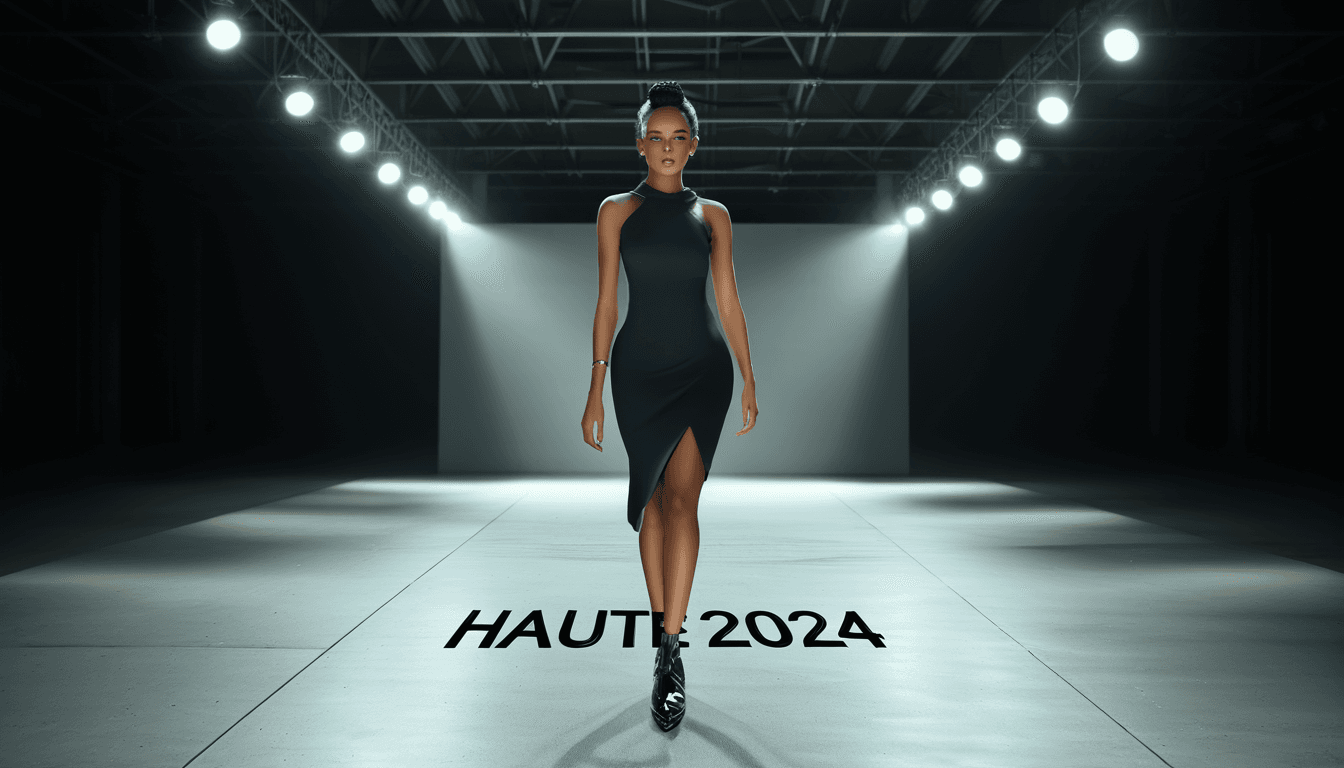
HIGH-FASHION EDITORIAL SPREAD
Highlights the generation of cohesive, stylized high-fashion imagery with complex lighting, texture, and on-image text rendering for wide editorial layouts.
Sammenlign med lignende modeller
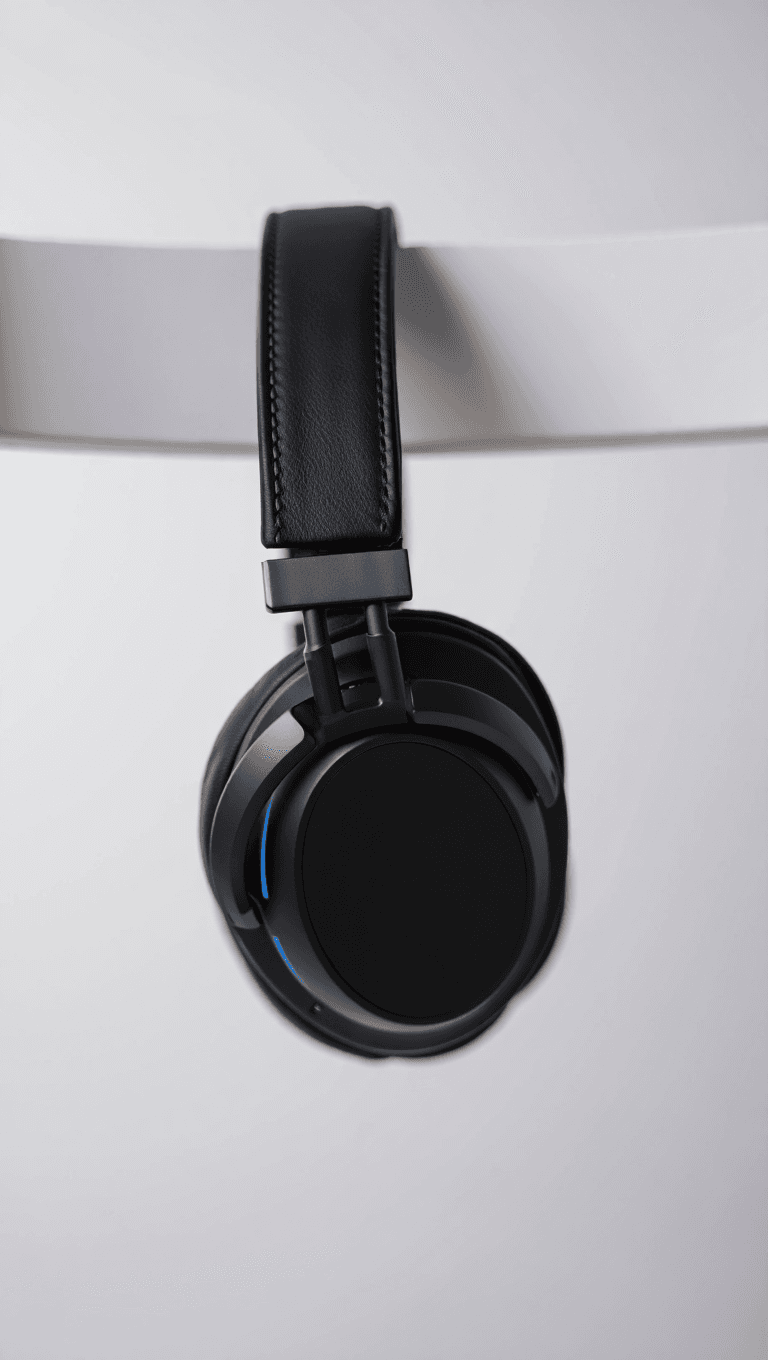
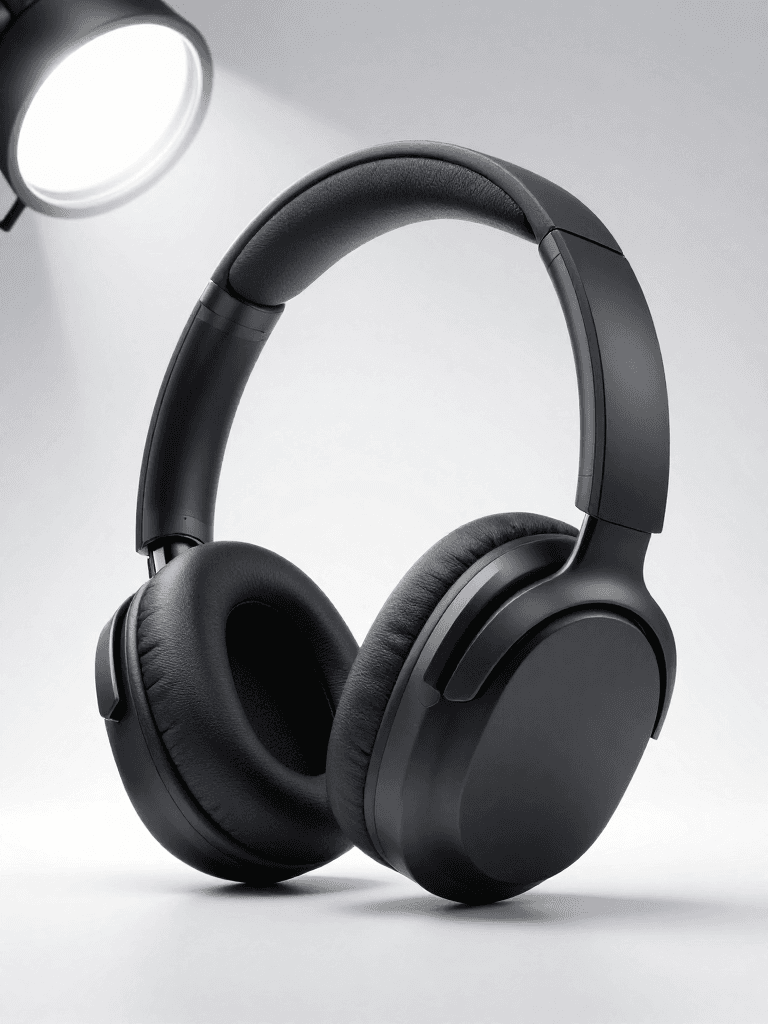
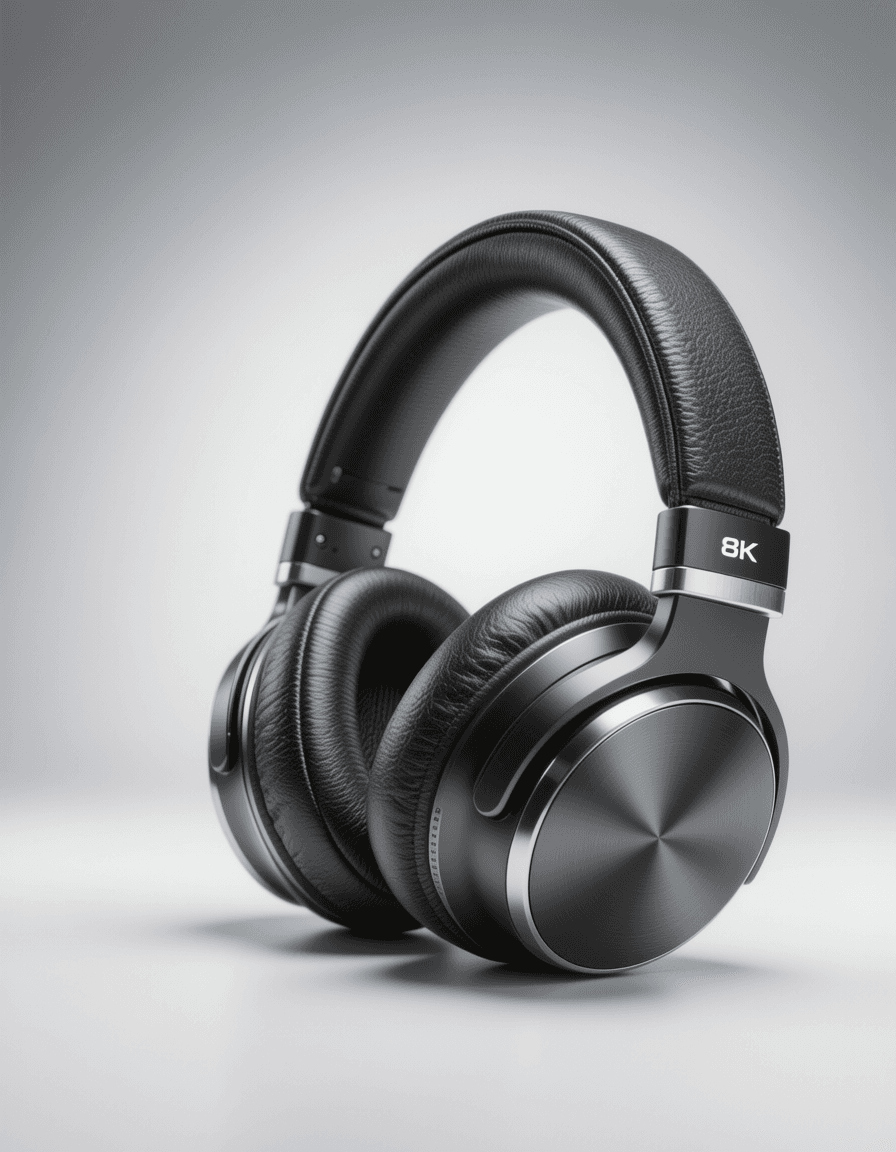
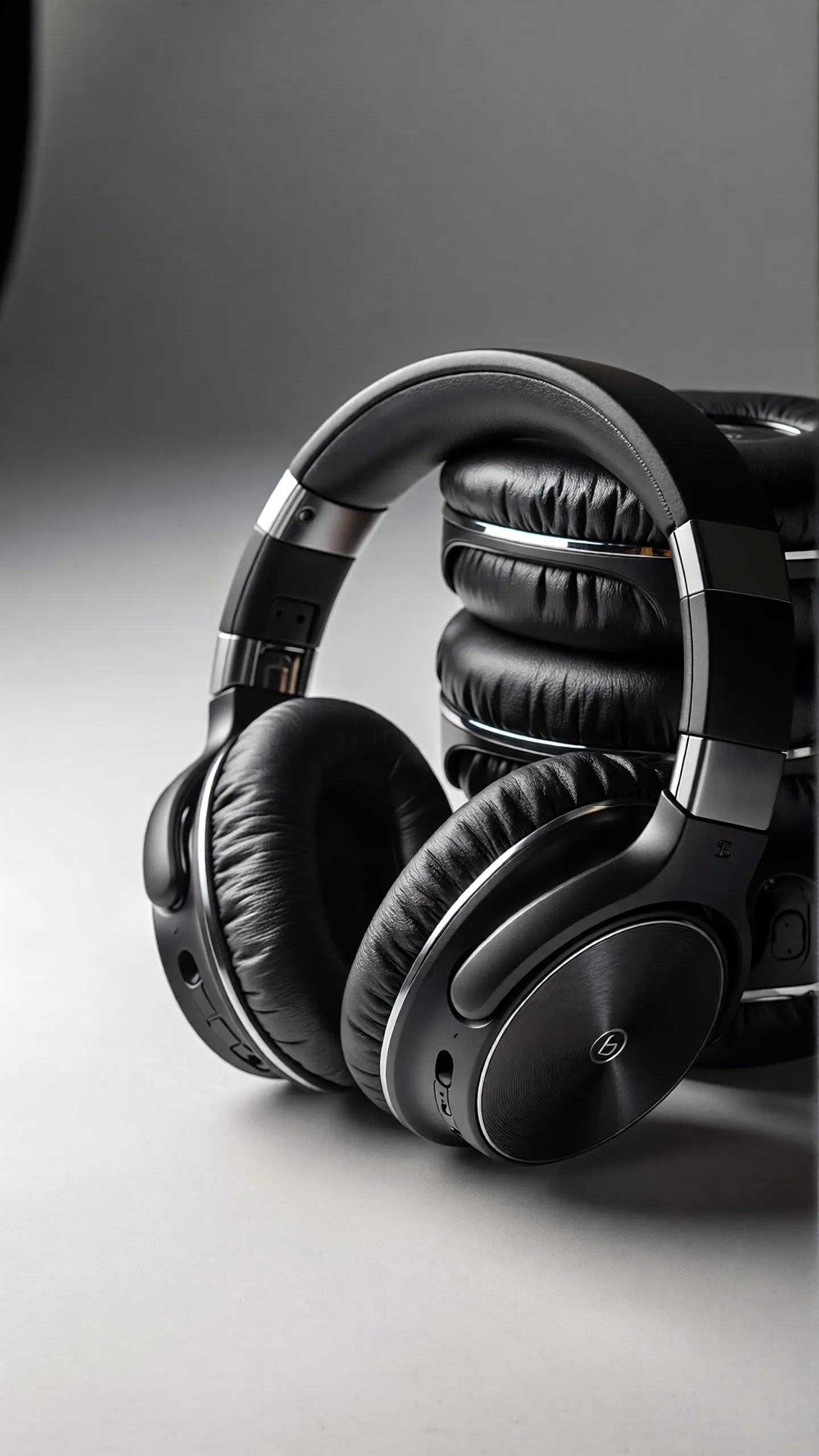
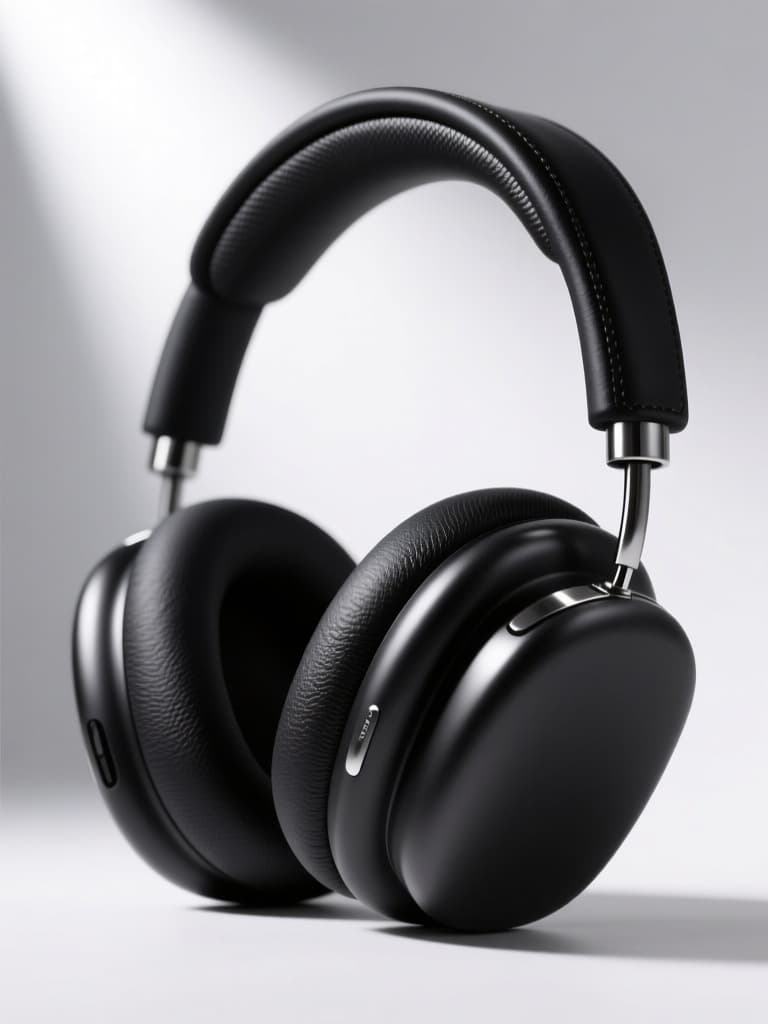
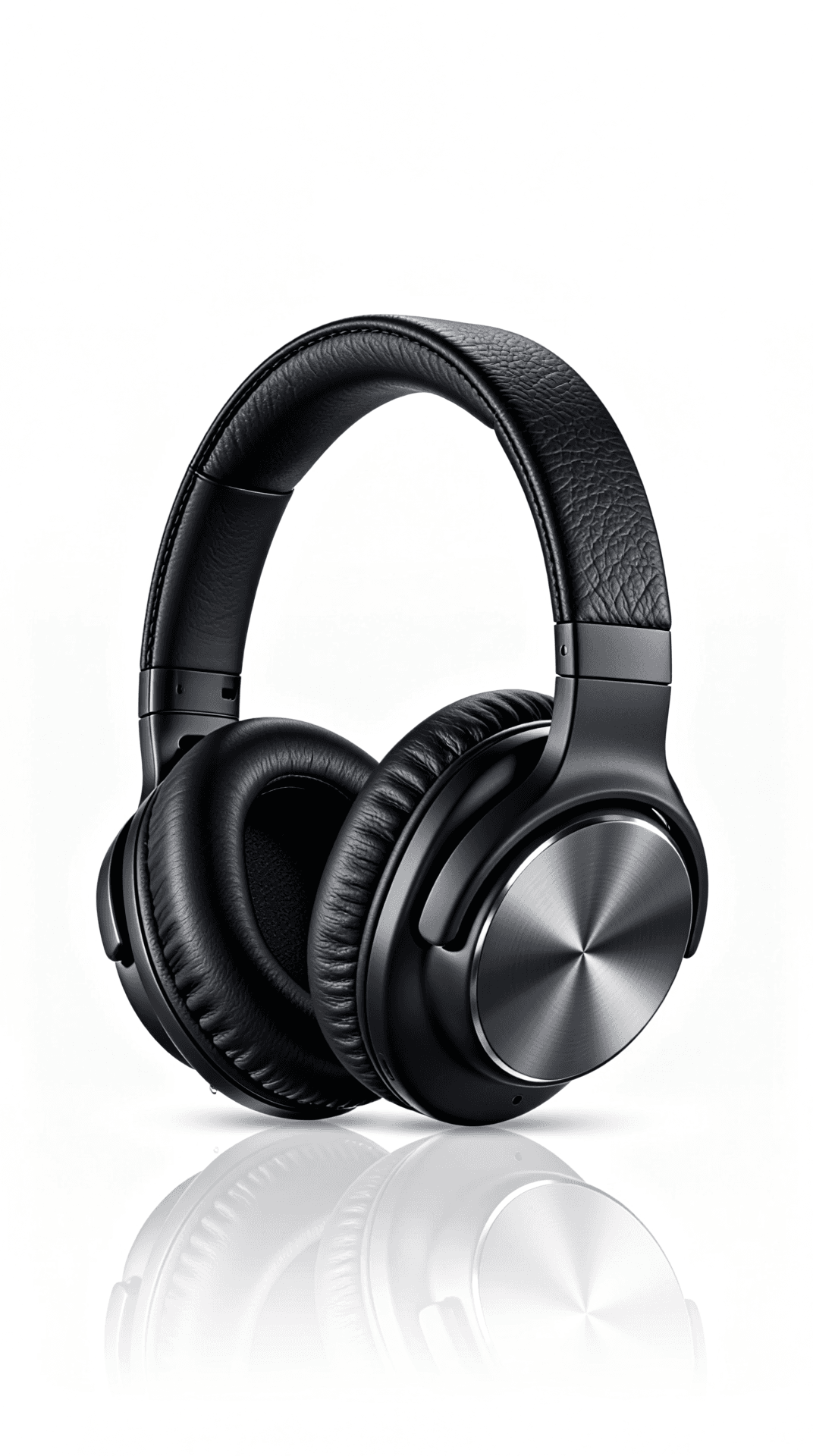
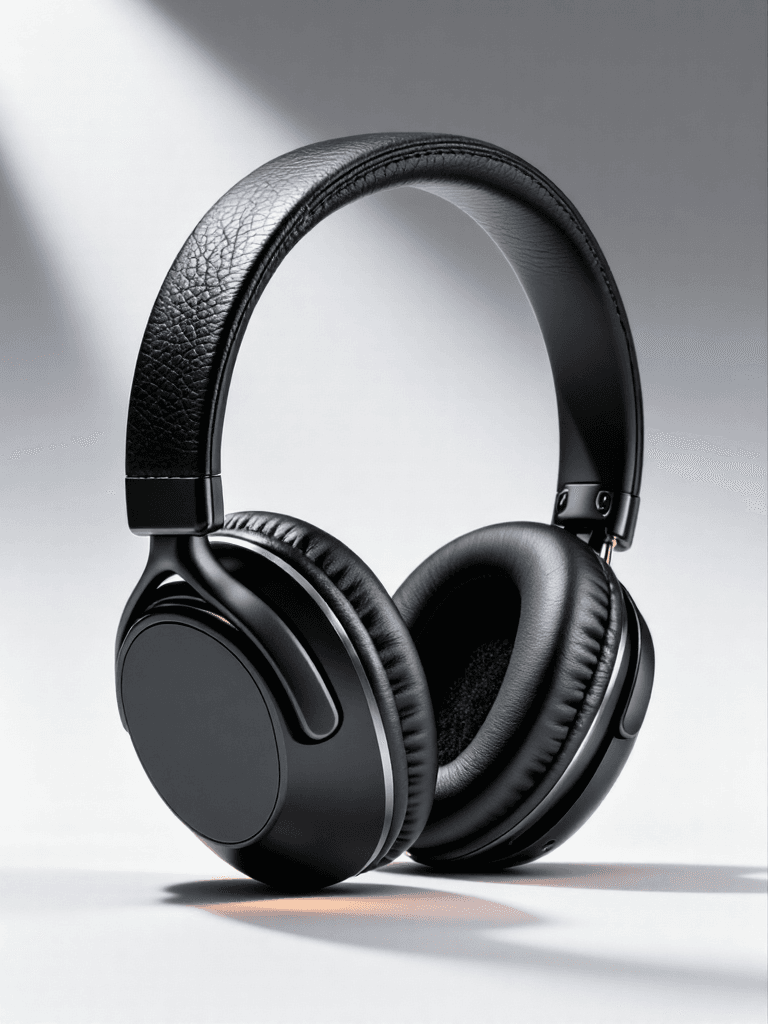
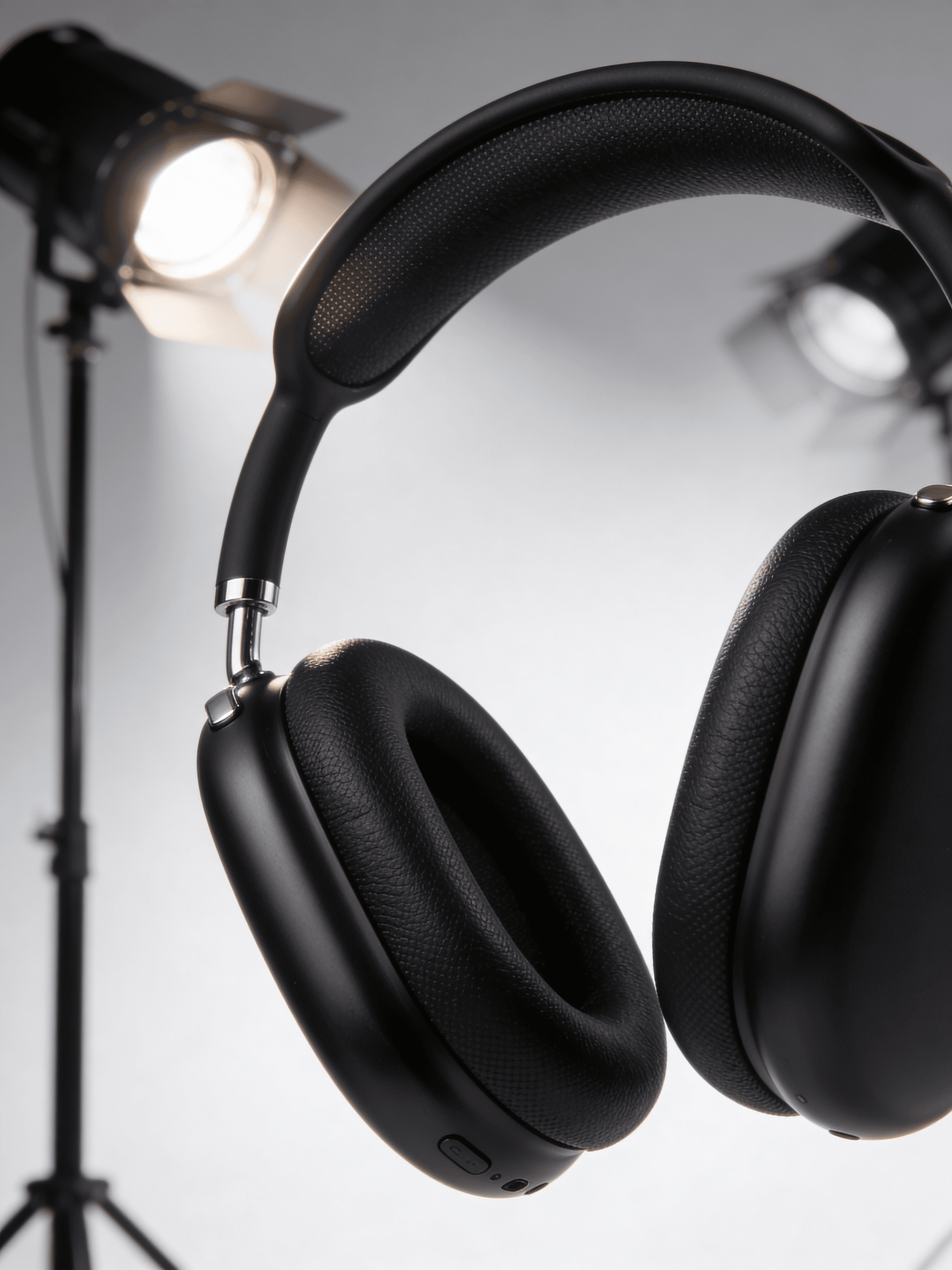
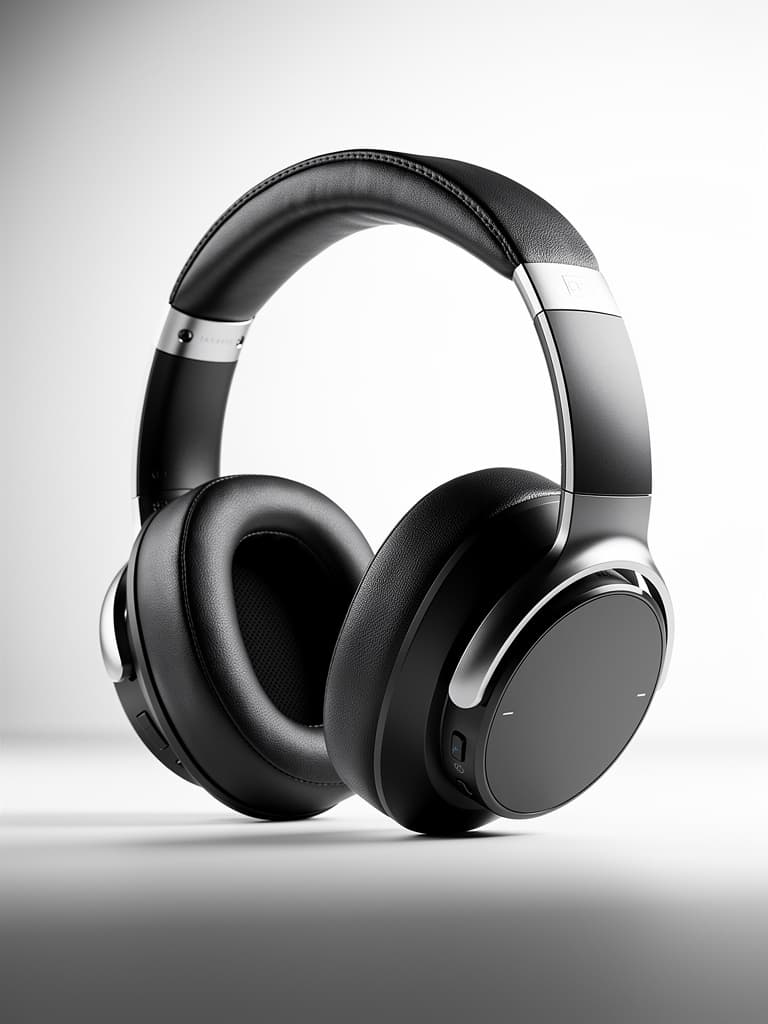
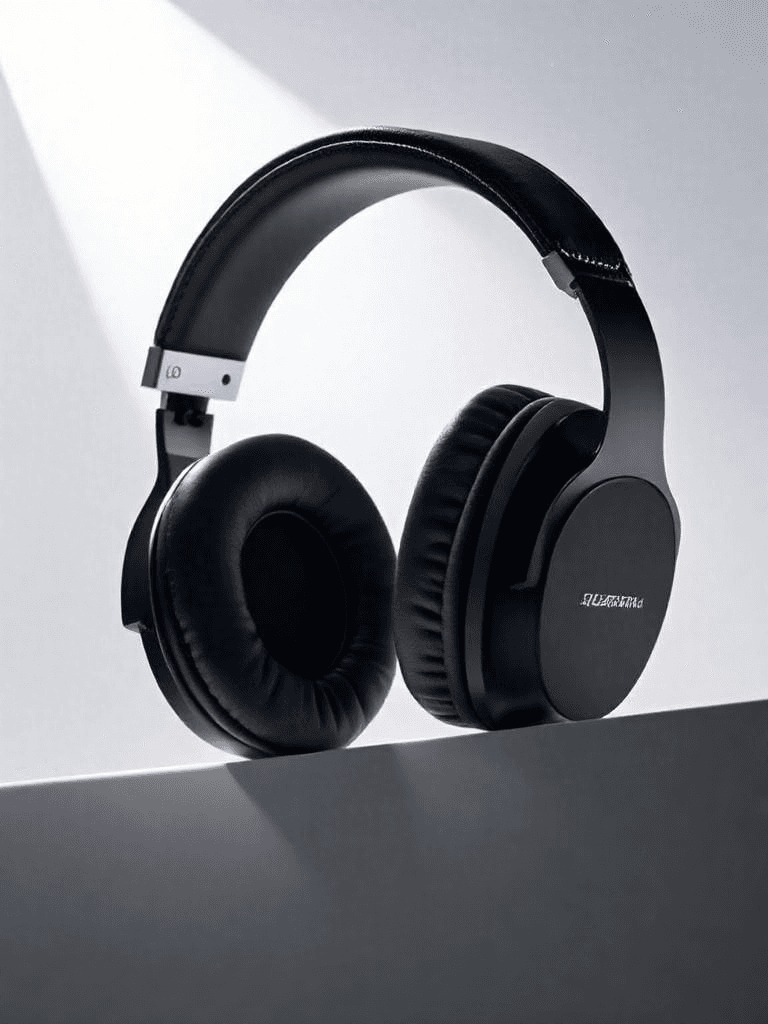
“High-end studio product photography of premium wireless over-ear headphones in matte black finish. Dramatic three-point lighting with soft key light from upper left, rim light highlighting the ear cup contours, and subtle fill. Clean white seamless backdrop with soft gradient. Sharp focus on texture details of the leather headband and brushed metal accents. Professional advertising quality, 8K resolution, photorealistic rendering.”
Oplev perfektion med Bria 3.2 Text-to-Image
Skift til resonementsvejledt syntese i dag
Ofte stillede spørgsmål
Lignende modeller

Flux 2 Pro
Professional sequential image editing tool
0.2 kreditter

Wan v2.6 Text to Image
Flexible multilingual image generation model
0.3 kreditter

Longcat Image
Fast, multilingual, photorealistic image generation
1.6 kreditter
Reve
Detailed images, accurate text rendering
0.4 kreditter
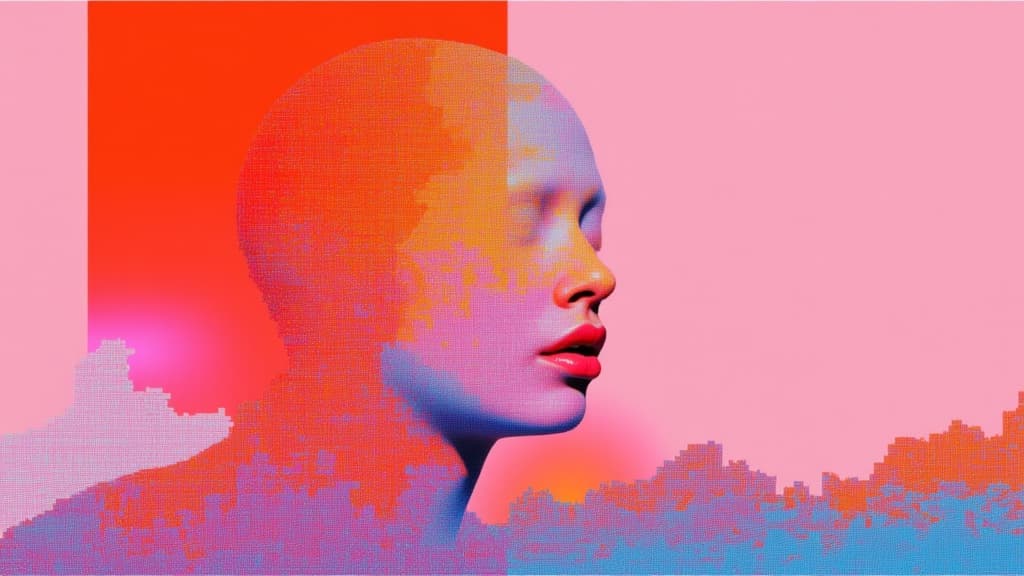
Bytedance
Unified image generation and editing
1 kreditter
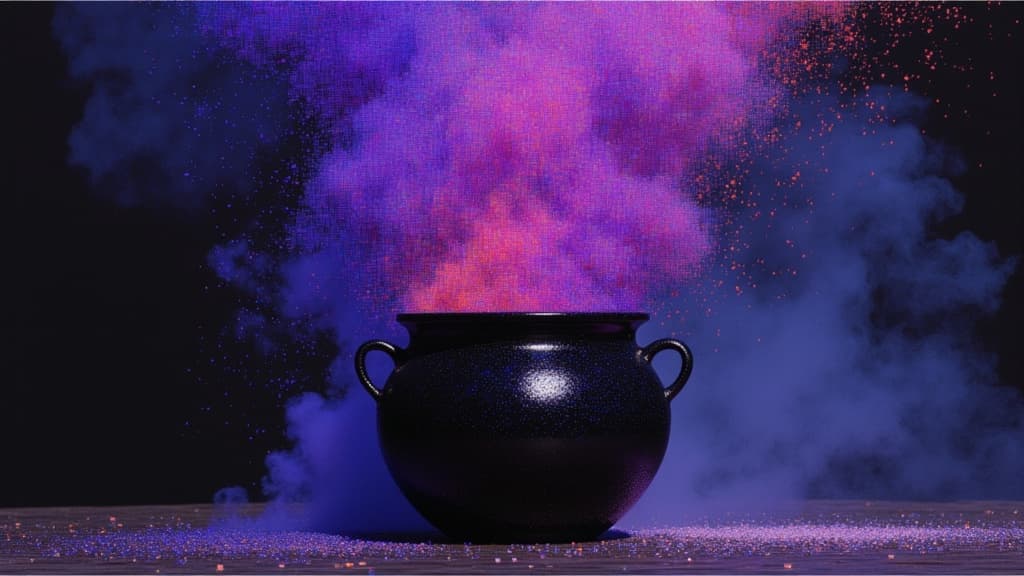
Z-Image Turbo
Ultra-fast photorealistic image generation
0.3 kreditter
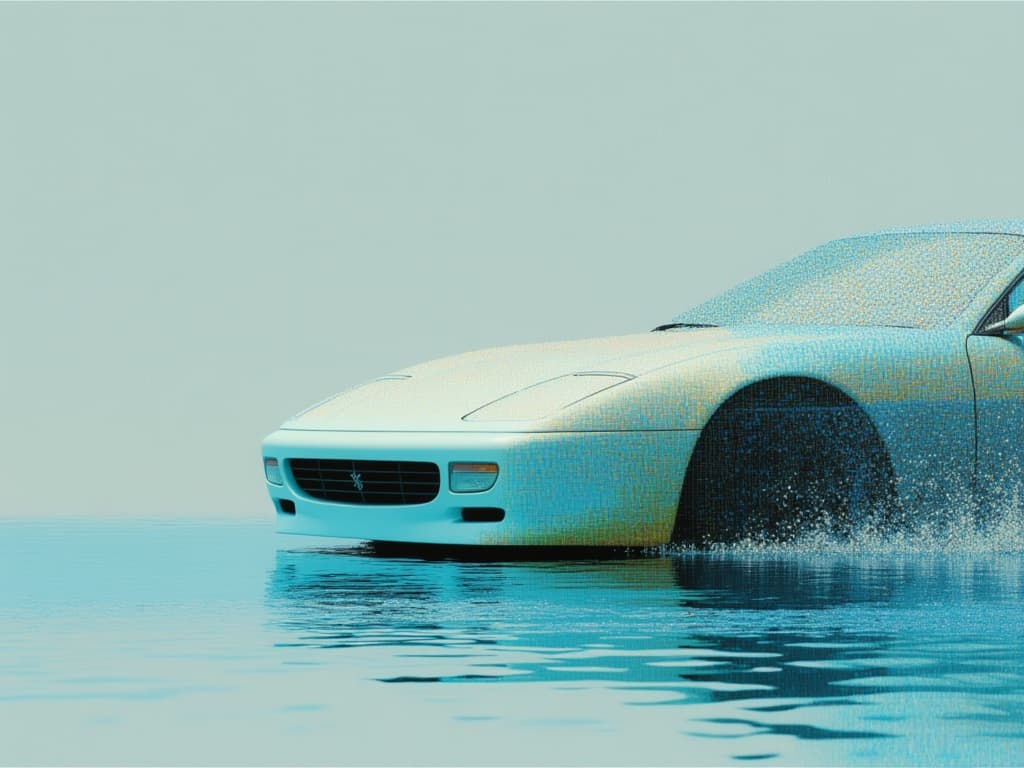
Nano Banana Pro
State-of-the-art image generation
0.15 kreditter
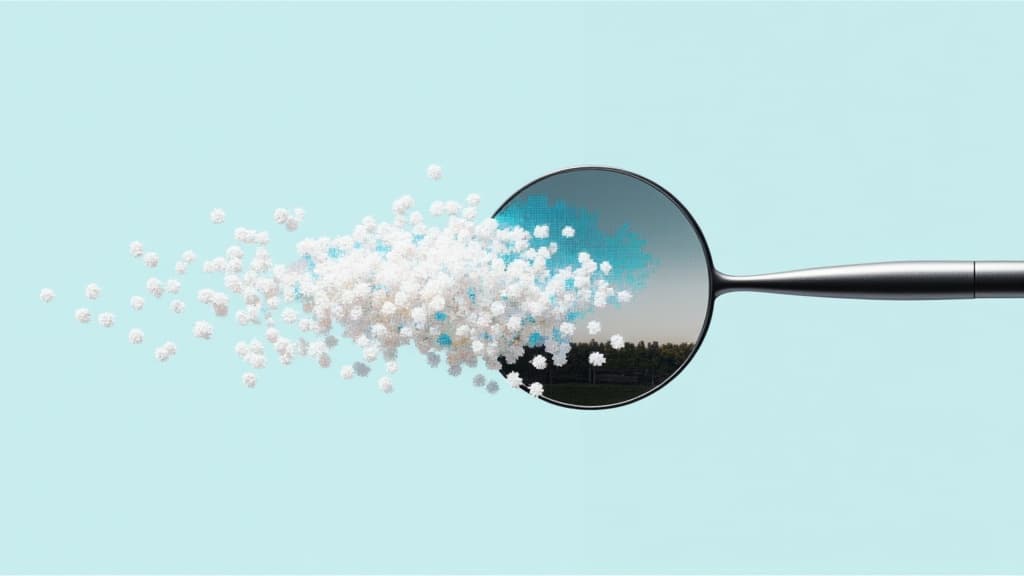
Piflow
Fast, high-quality image generation
1.2 kreditter
Vidu
Prompt-driven creative image generation
0.2 kreditter