The History of Medicine: From Ancient Remedies to Modern Breakthroughs
Ever wondered how medicine evolved from mysterious herbs to high-tech miracles? Let’s take a whirlwind journey through the fascinating history of healing, from ancient civilizations to today’s cutting-edge breakthroughs. Discover the strange, the brilliant, and the downright revolutionary moments that shaped how we fight disease and save lives. Ready to see how far we’ve come—and where we’re headed next? Let’s dive in!
 View on TikTok
 View on YouTube
Create Your Own
Make AI-powered videos in minutes
Video Transcript
Full text from the video
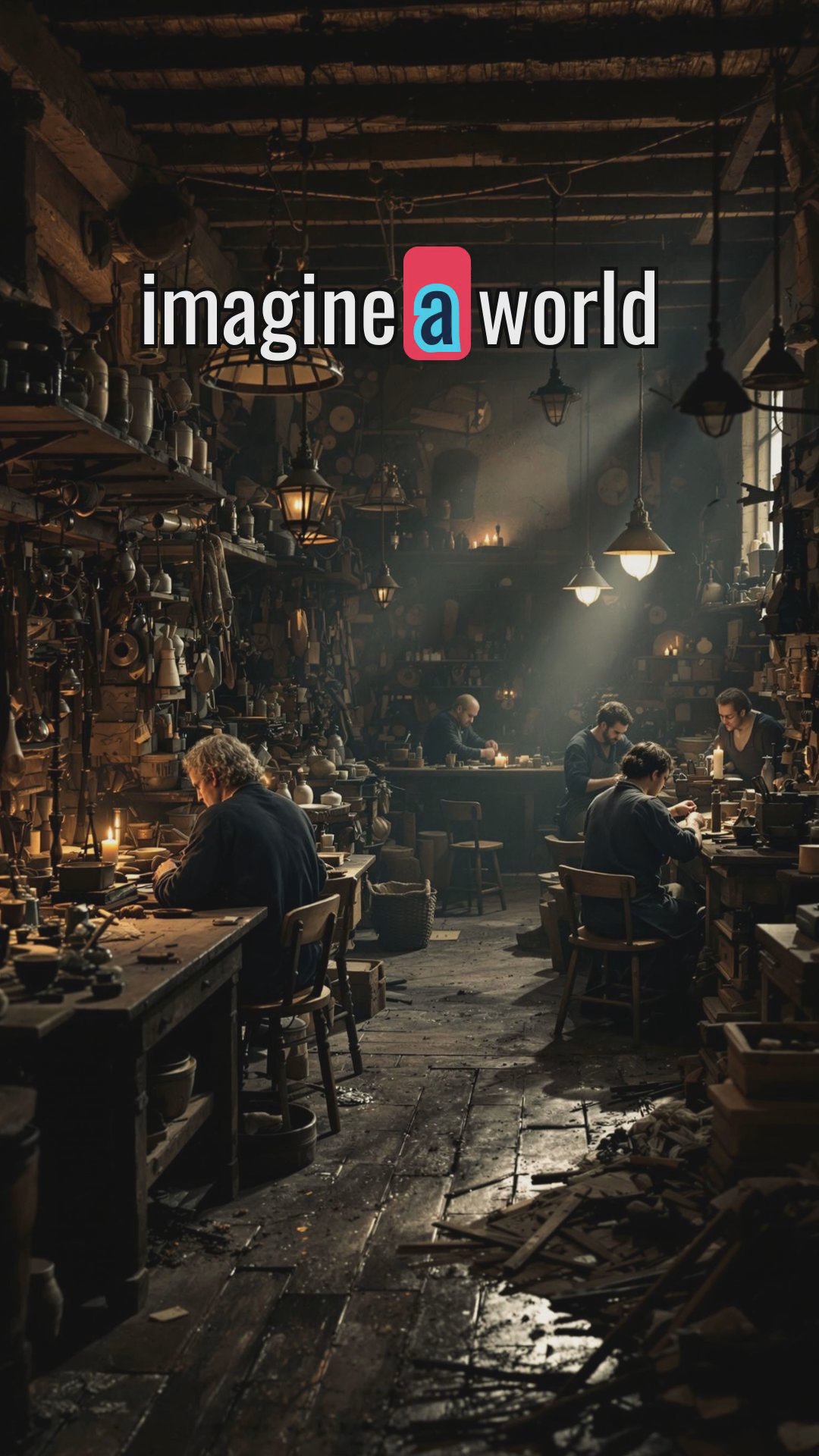
Imagine a world where illness was a mystery and every cure was a gamble.
Ancient healers relied on plants, rituals, and trial-and-error.
In Egypt, doctors used honey and moldy bread to treat wounds—an accidental nod to antibiotics.
Meanwhile, Chinese medicine blended herbs and acupuncture, while Indian Ayurveda focused on balance and holistic health.
These early remedies laid the groundwork for centuries of medical discovery, even if they didn’t always work as
planned.
Fast forward to ancient Greece, where Hippocrates changed everything.
He believed disease had natural causes, not supernatural ones.
His famous oath set ethical standards for doctors, and his approach to observation and diagnosis was revolutionary.
Greek medicine emphasized diet, exercise, and environment—ideas that still echo today.
While their treatments weren’t always effective, their commitment to logic and ethics marked a turning point in the
history of medicine.
The Middle Ages brought both progress and setbacks.
Islamic scholars preserved and expanded Greek and Roman medical knowledge, translating texts and developing new treatments.
Hospitals flourished in the Islamic world, offering care to all.
Meanwhile, in Europe, superstition and plague often overshadowed science.
Yet, figures like Avicenna wrote influential medical encyclopedias, and the groundwork for modern hospitals and medical education began
to take shape, even amid chaos and disease.
The Renaissance sparked a medical revolution.
Artists and scientists dissected bodies to understand anatomy, shattering old taboos.
Andreas Vesalius published detailed anatomical drawings, challenging centuries of misconceptions.
Paracelsus introduced chemical remedies, moving medicine beyond herbs.
This era’s bold curiosity and willingness to question tradition set the stage for modern science.
Suddenly, medicine was about evidence, experimentation, and a relentless quest to understand the human body from the inside
out.
The 19th century was a game-changer.
Louis Pasteur’s germ theory shattered old beliefs about disease, leading to vaccines and antiseptics.
Florence Nightingale revolutionized nursing and hospital hygiene, saving countless lives.
Anesthesia made surgery bearable, and X-rays let doctors see inside the body for the first time.
These breakthroughs didn’t just treat symptoms—they targeted causes, transforming medicine into a science that could truly conquer illness
and pain.
The 20th century unleashed a wave of innovation.
Antibiotics like penicillin turned deadly infections into minor annoyances.
Vaccines eradicated smallpox and tamed polio.
Medical imaging—CT scans, MRIs—revealed the body’s secrets without a single incision.
Organ transplants, heart surgeries, and genetic research pushed the boundaries of what was possible.
Medicine became a global effort, with discoveries shared across continents, saving millions and rewriting the rules of life
and death.
Today, medicine is racing into the future.
Artificial intelligence helps diagnose diseases, while gene editing promises to cure inherited disorders.
Telemedicine connects patients and doctors across the globe.
Personalized medicine tailors treatments to your DNA.
Yet, the journey isn’t over—new challenges like pandemics and antibiotic resistance keep us on our toes.
The story of medicine is still being written, blending ancient wisdom with tomorrow’s technology in the quest to
heal.
More from this creator
Other videos by @erniemac87