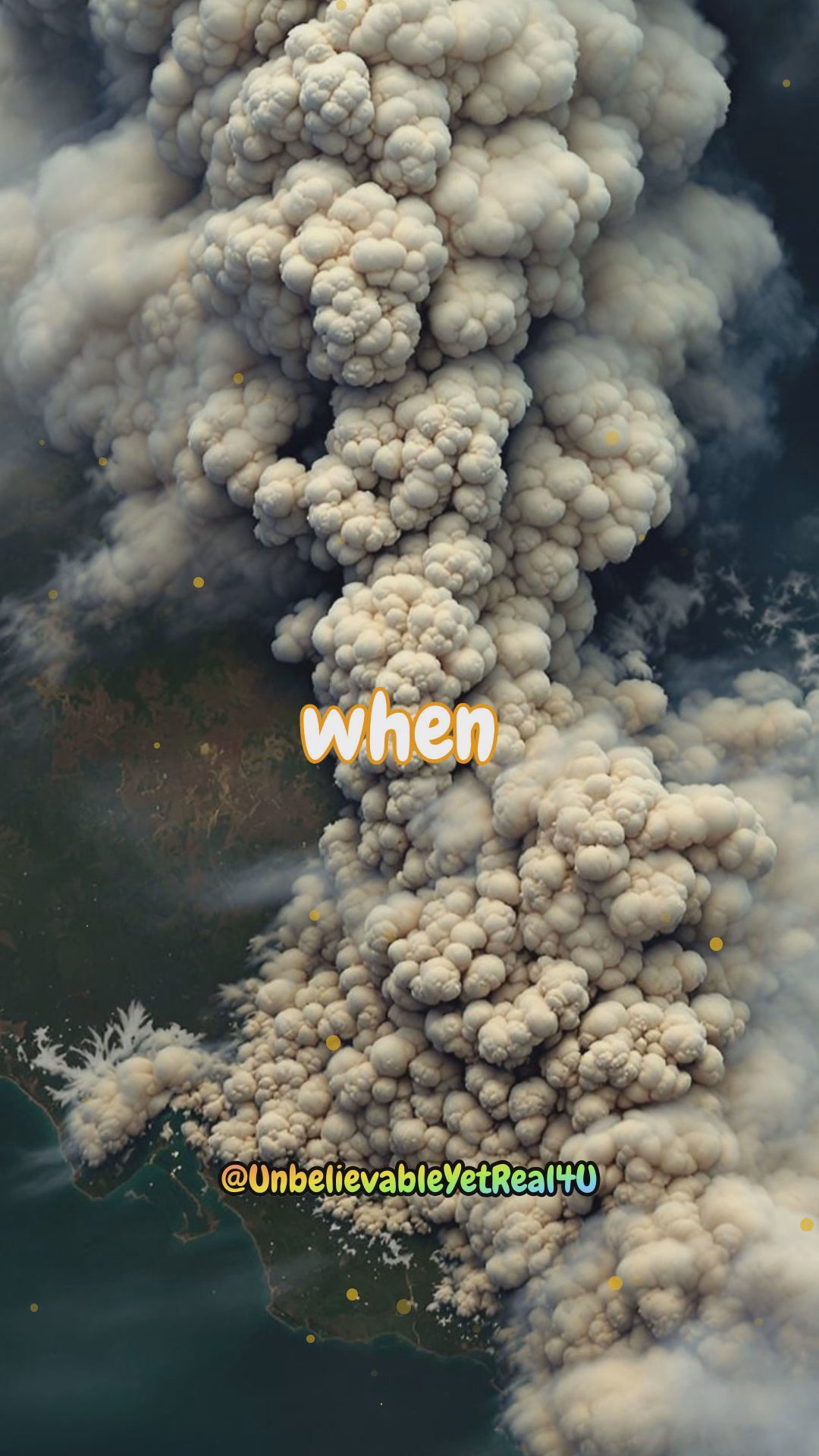
The Great Fire of Moscow: Napoleon’s Fiery Defeat
When Napoleon marched into Moscow in 1812, he expected a grand victory. Instead, he found a city in flames. Was it sabotage or strategy? This fire changed the course of history, forcing Napoleon into a disastrous retreat. Let’s dive into the dramatic destruction of Moscow and how it sealed the fate of the French invasion. #History #Napoleon #MoscowFire #WarStrategy #1812
 View on YouTube
Create Your Own
Make AI-powered videos in minutes
Video Transcript
Full text from the video
Napoleon finally reached Moscow in 1812, expecting a triumphant victory.
But instead of a welcoming committee, he found an eerie silence.
The Russians had abandoned the city, taking supplies with them.
Then, fires erupted everywhere.
Was it arson?
A military tactic?
Either way, Napoleon’s dream of conquest was literally going up in smoke.
The fires didn’t start immediately, but when they did, they spread fast.
Strong winds turned Moscow into an inferno.
Some say Russian officials set the fires to deny Napoleon shelter.
Others blame looters or accident.
Regardless, the French army was trapped in a burning city with no supplies.
Not exactly the victory they had in mind!
Napoleon waited for a Russian surrender that never came.
Instead, he got a smoldering ruin and a brutal Russian winter approaching.
With no food, no shelter, and no reinforcements, his army was in deep trouble.
Staying meant starvation, leaving meant disaster.
Napoleon had conquered Moscow, but Moscow had conquered him.
With no choice left, Napoleon ordered a retreat.
But the Russian winter was merciless.
Starvation, frostbite, and relentless attacks from Russian forces turned the retreat into a nightmare.
By the time they reached safety, his once-mighty army was decimated.
The fire of Moscow wasn’t just destruction—it was the beginning of Napoleon’s downfall.
More from this creator
Other videos by @blademp_119