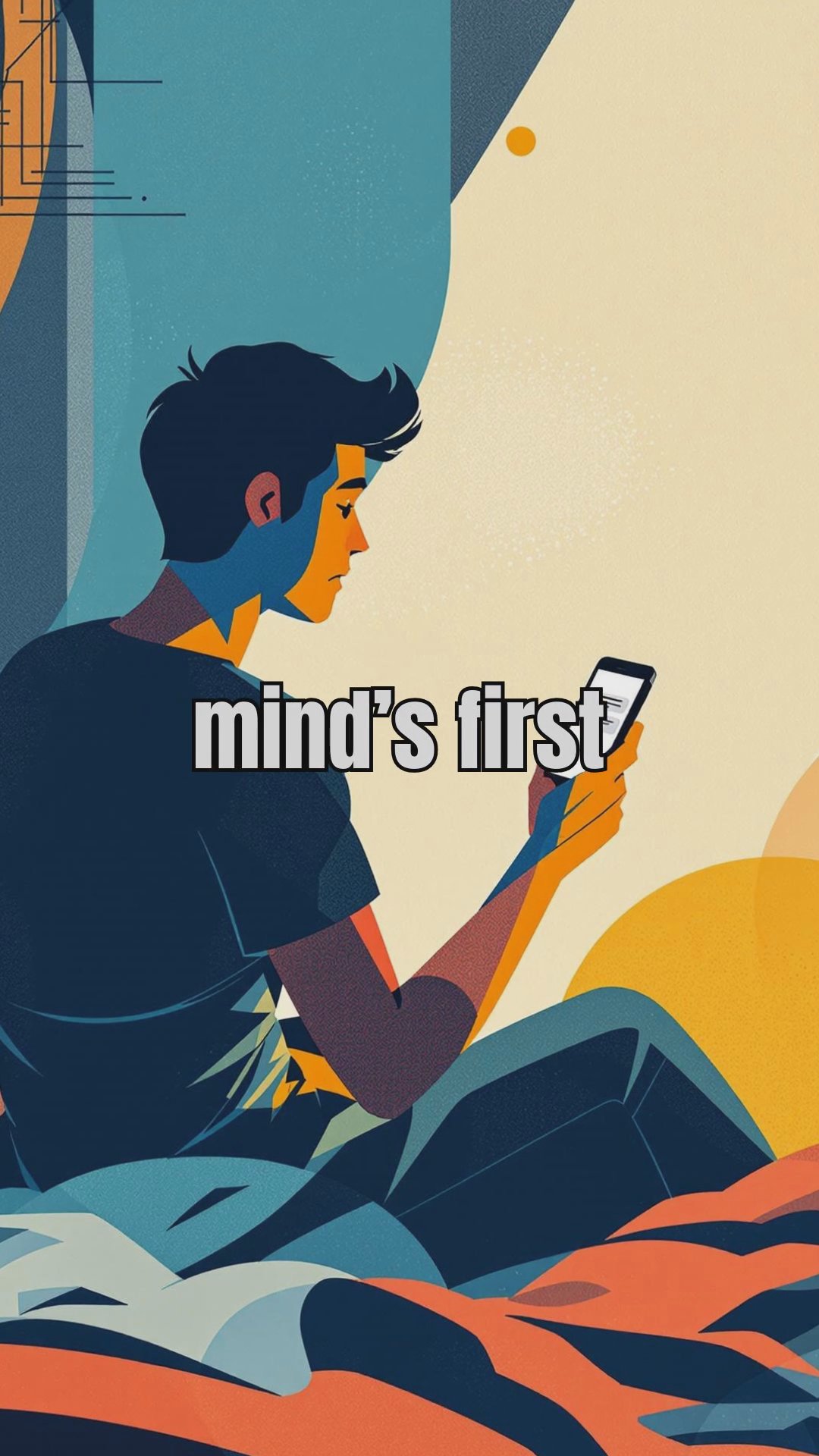
How Cognitive Dissonance Shapes Our Social Behaviors
Ever felt uneasy when your actions don’t match your beliefs? That’s cognitive dissonance at work! This psychological phenomenon influences how we justify decisions, change opinions, and even conform to social norms. Understanding it can reveal why people defend questionable choices or shift perspectives under pressure. Let’s explore how cognitive dissonance shapes our behaviors and decisions in ways we don’t always realize.
 View on TikTok
Create Your Own
Make AI-powered videos in minutes
Video Transcript
Full text from the video
Imagine buying an expensive gadget that doesn’t work as expected.
Instead of admitting a mistake, you convince yourself it’s still a great purchase.
That’s cognitive dissonance—when our actions and beliefs clash, we adjust our thinking to reduce discomfort.
This mental trick helps us justify decisions, even bad ones, to maintain self-image.
It’s why people stay in toxic relationships or defend poor investments.
The mind hates inconsistency, so it rewrites reality to keep things aligned.
Ever noticed how people double down on beliefs when confronted with opposing facts?
That’s cognitive dissonance in action.
When faced with evidence that contradicts deeply held views, the brain resists change to avoid discomfort.
Instead of reconsidering, people rationalize or dismiss the new information.
This explains why misinformation spreads and why debates rarely change minds.
The stronger the emotional investment, the harder it is to accept being wrong—even when the truth is undeniable.
Cognitive dissonance also fuels social conformity.
Imagine a group agreeing on something you secretly doubt.
Instead of speaking up, you align with them to avoid discomfort.
Over time, you might even convince yourself they were right all along.
This is how peer pressure works—not just in teenagers, but in adults, workplaces, and even politics.
The fear of standing out or being wrong pushes people to adopt beliefs they once questioned, reshaping social
norms in the process.
Marketers and politicians exploit cognitive dissonance to influence behavior.
Ever noticed how ads make you feel like you need a product to match your identity?
Or how political campaigns frame choices as moral imperatives?
By creating internal conflict, they push you to resolve it by buying, voting, or supporting their cause.
Once you commit, your brain justifies the decision, making you more loyal.
Understanding this trick helps you resist manipulation and make choices based on reason, not discomfort.
So, how do you break free from cognitive dissonance?
Awareness is key.
When you feel discomfort over a decision or belief, pause and ask: ‘Am I justifying this to avoid
being wrong?’ Challenge your own biases, seek opposing viewpoints, and embrace the discomfort of change.
Growth happens when we confront inconsistencies, not ignore them.
The more you recognize cognitive dissonance, the better you’ll be at making choices based on truth, not mental
shortcuts.
More from this creator
Other videos by @tiktok_dd_vid