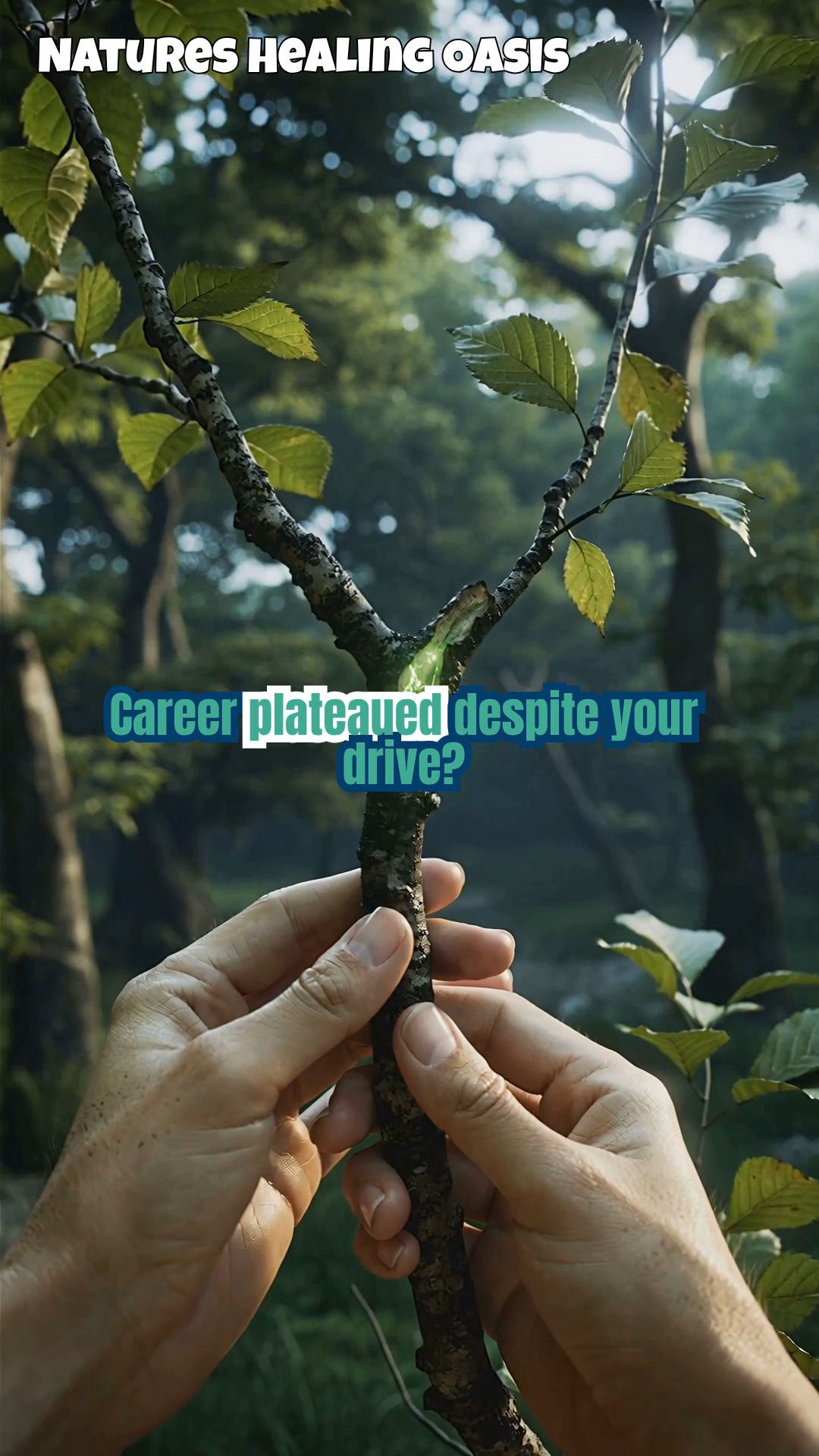
Healing Through Trees: How Horticulture Transforms Lives
Discover how therapeutic horticulture programs that incorporate trees are helping people recover emotionally and physically. From veterans battling PTSD to inmates finding peace, these real-life case studies reveal the powerful role of nature in rehabilitation. Learn how planting, pruning, and simply being among trees can foster healing, resilience, and hope. This isn’t just gardening—it’s therapy rooted in science and soul. Let’s explore the transformative power of trees in human recovery.
 View on TikTok
 View on YouTube
Create Your Own
Make AI-powered videos in minutes
Video Transcript
Full text from the video
Can planting a tree help heal trauma?
In a groundbreaking program at a VA hospital in Oregon, veterans with PTSD engage in tree care as
part of their therapy.
Participants report reduced anxiety, improved sleep, and a renewed sense of purpose.
The act of nurturing a living thing mirrors their own healing journey.
It’s not just about the trees—it’s about reconnecting with life, one root at a time.
In a women’s correctional facility in Illinois, inmates participate in a tree-based horticulture program that’s changing lives.
Through pruning, planting, and learning about tree biology, participants develop patience, responsibility, and emotional regulation.
One woman said, 'I’ve never felt peace like I do under that oak.' The trees become silent mentors,
offering stability and growth in a place often defined by confinement and chaos.
In urban Detroit, a community mental health center launched a tree-focused horticulture program for teens dealing with anxiety
and depression.
Participants plant fruit trees in vacant lots, transforming blight into beauty.
The trees offer more than shade—they symbolize hope and future harvests.
One teen said, 'I planted something that will outlive me.' That sense of legacy and contribution is a
powerful antidote to despair.
In Japan, forest therapy programs use guided walks among trees to aid emotional recovery.
Known as 'shinrin-yoku' or forest bathing, these sessions are now part of rehabilitation for trauma survivors.
Participants walk slowly, touch bark, and breathe in phytoncides—natural compounds from trees that reduce stress hormones.
It’s not mystical—it’s measurable.
Cortisol levels drop, heart rates stabilize, and people feel more grounded, literally and emotionally.
In a UK rehab center for addiction recovery, tree care is part of the daily routine.
Clients prune, mulch, and monitor tree health, learning consistency and mindfulness.
One participant said, 'The trees don’t judge.
They just grow.' This nonverbal companionship helps rebuild trust and self-worth.
Watching a tree thrive under their care mirrors their own progress—slow, steady, and deeply rooted in change.
More from this creator
Other videos by @astays