Canada's Election Heats Up Amid Tariffs, Crime, and National Unity Fears
With Canada heading to the polls, tensions rise over U.S. tariffs, crime crackdowns, and national unity. Here's what you need to know.
 View on TikTok
 View on YouTube
Create Your Own
Make AI-powered videos in minutes
Video Transcript
Full text from the video
Canada's relationship with the U.S.
is at a breaking point.
President Trump has imposed steep tariffs and even suggested annexing Canada as the '51st state.' In response, Canada
hit back with retaliatory tariffs.
Ontario Premier Doug Ford says Canada would drop its tariffs 'tomorrow' if the U.S.
ends theirs.
Meanwhile, newly confirmed U.S.
Ambassador Pete Hoekstra is trying to cool tensions, calling Canada 'our most valuable trading partner.' Conservative leader Pierre
Poilievre was once the clear frontrunner, but Trudeau’s resignation and Mark Carney’s rise have changed the game.
Poilievre’s populist message still resonates, especially with working-class voters, but polls now show a tight race.
His 'Canada First' slogan and promises to 'Axe the Tax' on carbon pricing are central to his campaign.
Critics say his aggressive style and ties to controversial diaspora groups could backfire.
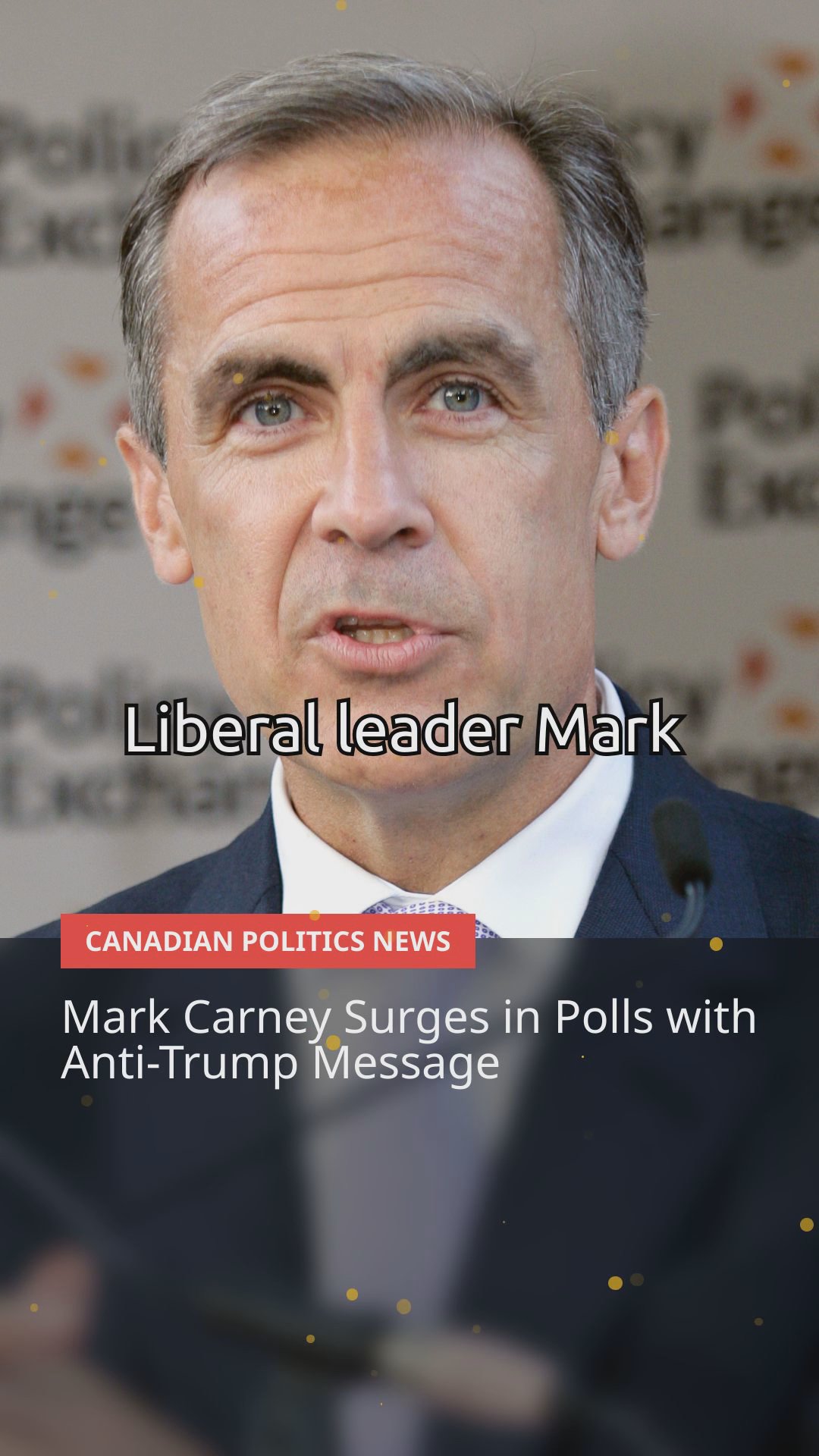
Liberal leader Mark Carney is going hard on crime.
His new plan includes cracking down on gangs, illegal guns from the U.S., and online child exploitation.
He’s also reviving the gun buyback program and pledging 1,000 new RCMP and border officers.
Carney says, 'You can't be serious about stopping violence without being serious about gun control.' Poilievre fired back
with his own 'three strikes' law, promising life sentences for repeat violent offenders.
Alberta Premier Danielle Smith warns that a Liberal win could threaten national unity.
She says Carney must repeal key energy policies or face backlash from the West.
Smith’s comments come as Trump’s annexation talk fuels sovereignty fears.
Meanwhile, Carney insists he’ll speed up energy project approvals but won’t scrap environmental laws.
The divide between Ottawa and Alberta is growing—and the election could deepen it.
Poilievre is gaining support from Indo-Canadian voters, especially Hindu-Canadians who feel unsafe amid rising tensions with pro-Khalistan groups.
But critics warn of foreign influence, pointing to past ties between some donors and India’s BJP.
Poilievre’s team says these are legal donations from Canadian citizens.
The debate highlights the fine line between diaspora engagement and foreign interference.
More from this creator
Other videos by @geoffreyjwebb