Canada's 2025 Election: Nationalism, US Tensions, and a Political Shake-Up
Canada heads to the polls in a high-stakes election shaped by US tensions, rising nationalism, and a dramatic political shift. Here’s what you need to know about the key issues, party platforms, and the surprising battles unfolding across the country.
 View on YouTube
 View on TikTok
Create Your Own
Make AI-powered videos in minutes
Video Transcript
Full text from the video
With the federal election just days away, a wave of Canadian nationalism is sweeping the country, fueled by
President Trump’s tariffs and provocative comments about Canada becoming the 51st state.
Many Canadians are rethinking their political choices, with some traditional Green and independent voters now backing the Liberals
to ensure a strong mandate against US pressure.
As one voter put it, “We just need a strong leader who won’t stand for bullying.” The US-Canada
relationship has become the central issue, with both major parties promising to defend Canadian sovereignty and support workers
hit by tariffs.
Beyond US relations, Canadians are focused on the rising cost of living, housing shortages, and climate policy.
Both Liberals and Conservatives promise tax cuts for low-income earners, but differ on housing and energy.
The Liberals want to double housing starts and invest in affordable homes, while Conservatives plan to tie funding
to city performance and sell federal land for new builds.
On climate, the Liberals aim to improve industrial carbon pricing and build a national electricity grid, while Conservatives
want to scrap all carbon pricing and boost clean manufacturing.
The NDP and Greens push for even more aggressive climate action and affordable housing.
The election has seen a dramatic shift, with the Liberals’ lead shrinking and key Conservative strongholds under threat.
Conservative leader Pierre Poilievre is facing an unexpected challenge in his own riding of Carleton, with internal polls
showing a statistical dead heat.
If Poilievre loses, it could fracture the party and reshape Canada’s political landscape.
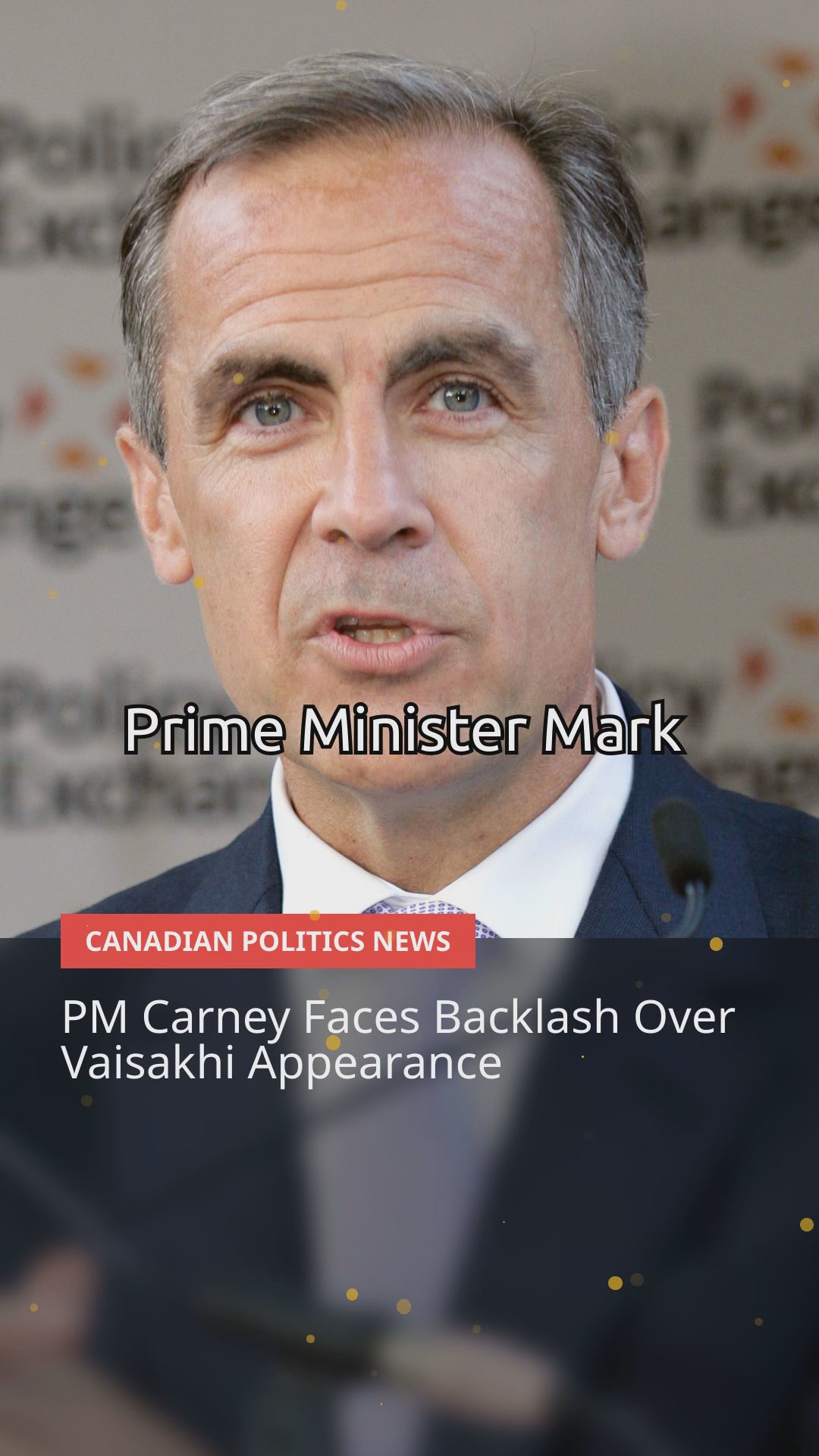
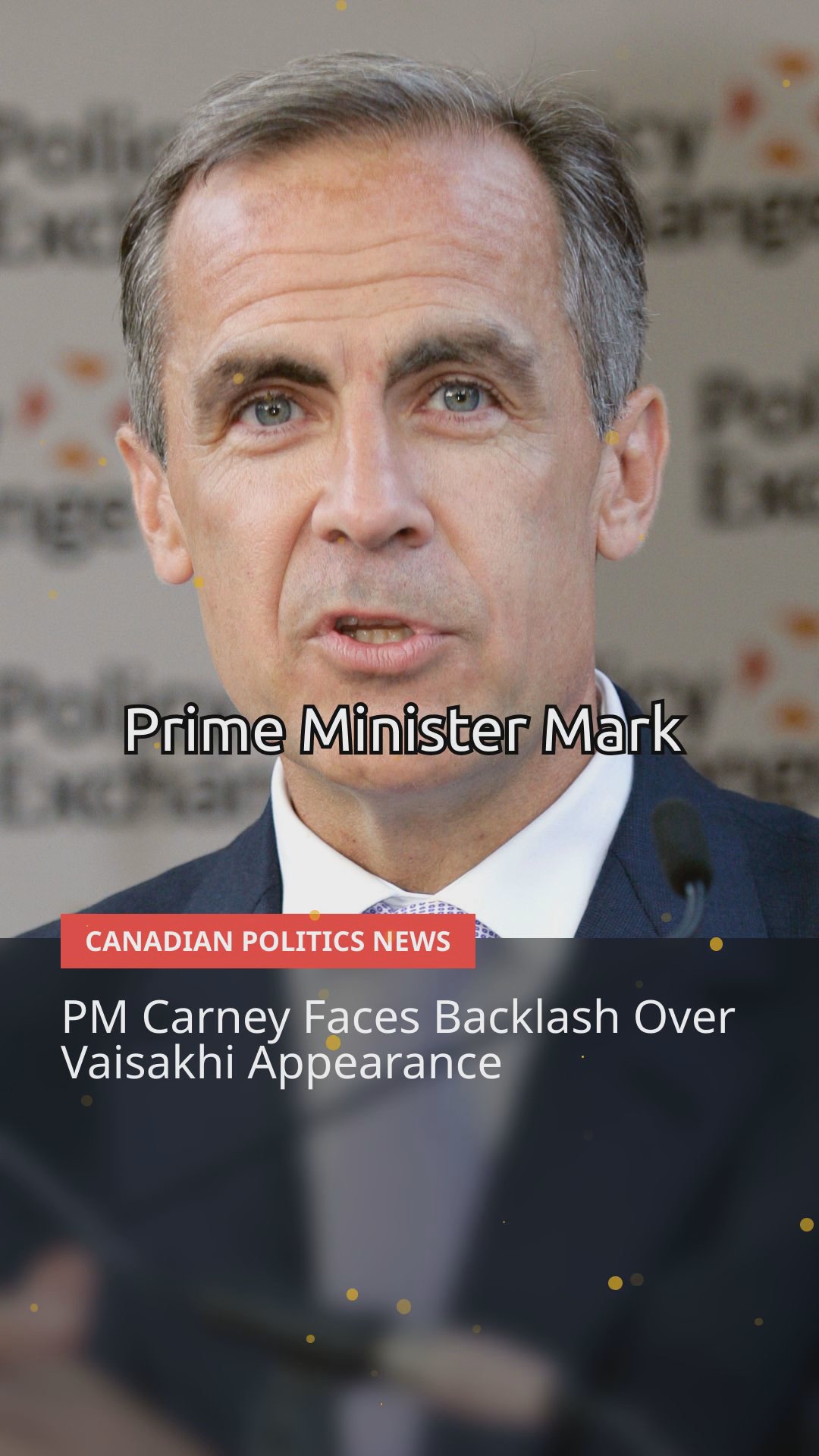
Meanwhile, Liberal leader Mark Carney is emphasizing the need for a strong mandate to stand up to US
pressure, declaring, “This is Canada – we decide what happens here.” The outcome could hinge on these tight
races and shifting voter loyalties.
Immigrant and diaspora communities are playing a bigger role than ever, using digital networks and multilingual platforms to
engage in politics.
South Asian Canadians, for example, are active on WhatsApp and Facebook, discussing both Canadian and global issues in
multiple languages.
As one community influencer said, “My entire social media work is based on Urdu.
It allows me to connect with people.” Political parties are being urged to move beyond stereotypes and engage
voters in the languages and spaces they trust.
Multilingualism and ethnic networks are now seen as vital to a truly inclusive democracy.
More from this creator
Other videos by @geoffreyjwebb