PORTRAIT ANIMATION
PORTRAIT ANIMATION
PORTRAIT ANIMATION
Kling Video 2.5 Turbo Pro is a cutting-edge image-to-video model developed by Black Forest Labs, purpose-built for creative professionals who want to animate still images into captivating video narratives. Aimed at artists, designers, filmmakers, marketers, and content creators, Kling Video brings a new level of motion fluidity and cinematic style to the process of transforming static visuals into dynamic stories.
At its core, Kling Video enables users to start with any image—uploaded directly from a computer or sourced from the web in popular formats like JPG, PNG, WEBP, GIF, or AVIF—and generate compelling videos based on a descriptive text prompt. This makes the tool exceptionally flexible for a wide range of creative disciplines, including storyboarding, advertising montages, music videos, concept visualization, and social media content.
One of the standout features of Kling Video is its unmatched motion fluidity. Animations unfold smoothly, with transitions that feel natural and cinematic rather than mechanical. The visual output is striking: videos boast not just movement but a true sense of cinematic polish, with attention to detail and atmosphere that rivals handcrafted animation. The model excels at turning imagined scenes into flowing motion, making it ideal for pitching ideas, visualizing scenes before filming, or simply bringing artworks to life.
Kling Video is also designed with precision in mind. Its prompt-based workflow allows creative professionals to describe exactly what they envision happening in the video, and the model responds with high fidelity to these directions. This means you can steer the animation with detailed scene descriptions, guiding motion, focus, and atmosphere according to your narrative needs. There is also a prompt adherence slider, which lets users decide how closely the video should follow their written description—offering a balance between creative freedom and strict fidelity to the brief.
Customization doesn’t end there. Advanced users can fine-tune video quality and direction with features such as negative prompts—handy for instructing the model on what to avoid (for example, “blur, distort, and low quality”). This helps ensure the resulting video matches the intended mood and quality level. Another powerful creative option is the ability to add an optional tail image, allowing storytellers to specify exactly where a scene should lead by setting both the start and end frames of the animation. This unlocks seamless transitions and more complex story beats, which is especially useful in narrative-driven projects, commercials, or sequential art presentations.
Kling Video supports video durations of either 5 or 10 seconds, balancing creative possibilities with rapid iteration. In practice, this makes it especially suitable for short-form video platforms, teasers, animated ads, and digital storytelling where concise, visually impactful clips are essential.
While Kling Video emphasizes cinematic visuals and motion, the structure is straightforward and creator-friendly. Input is as simple as dragging and dropping your chosen image(s), alongside typing a scene or action prompt. The output is a downloadable video file, with all processing handled seamlessly.
Best practices suggest leveraging richly detailed and specific prompts to extract the best results; the better the description, the more precisely the motion and scene will reflect your vision. Likewise, combining a starting and tail image can produce particularly impressive transitions and narrative effects.
Limiting factors and important considerations are not extensively covered in the provided documentation. Users are encouraged to explore different input images, experiment with prompt adherence, and utilize negative prompts to minimize unwanted artifacts. Resolution, file size, and specific output formats are managed internally and presented in a creator-friendly manner—there’s no need for technical setup or adjustment.
Overall, Kling Video 2.5 Turbo Pro is an advanced yet approachable creative tool, empowering professionals to animate, explore, and tell stories with unmatched visual flow and prompt-driven precision. Whether you’re mocking up film sequences, adding life to illustrations, or generating dynamic content for digital marketing, Kling Video turns your still images and words into visually stunning animated motion.
가장 진보된 비디오 모델로 생성하기
Add the image that you want change
이미지 업로드
모습, 캐릭터 또는 환경을 안내할 선택적 이미지를 추가하세요
A woman kneeling in darkness, illuminated by a warm, radiant beam of light emerging from her raised hand.
시나리오 작성
프롬프트 입력 - 모델이 장면의 물리학, 조명, 감정 의도를 이해합니다
공유 시작
클릭하여 최종 출력물을 생성하고 프로덕션급 비디오를 다운로드하세요
프롬프트 너머: 새로운 수준의 제어
CINEMATIC ANIMATION
Leverages complex environmental motion and dynamic camera sweeps to create immersive, wide-format scenic videos ideal for travel and nature content.
PRODUCT MOTION
Showcases product rotation, reflection dynamics, and hyper-real focus pulls—perfect for high-end commercial landscape video content.
CINEMATIC ANIMATION
Excels at animating vehicle movement, neon lighting effects, and fast-paced camera transitions for landscape cinematic sequences.
비슷한 모델과 비교
“Animate with subtle natural movements. Add gentle breathing motion to shoulders. Create natural eye blinks every 2-3 seconds. Introduce slight head micro-movements. Hair moves softly as if in gentle breeze. Maintain the warm smile with subtle lip movements. Eyes should have natural catchlight movement. Keep animation subtle and lifelike, not exaggerated. 5 seconds, smooth looping.”
Kling Video으로 완벽함을 경험하세요
오늘 추론 기반 합성으로 전환하세요
자주 묻는 질문
유사 모델
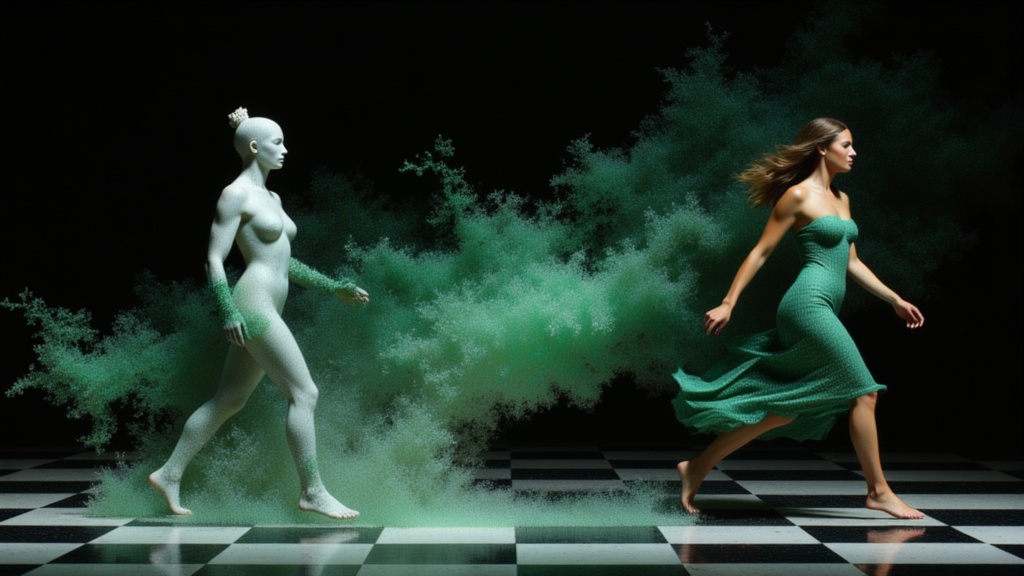
PixVerse C1 Reference to Video
Character-consistent video from references
0.1 크레딧

Seedance 2 Image to Video
Cinematic video from images
10 크레딧
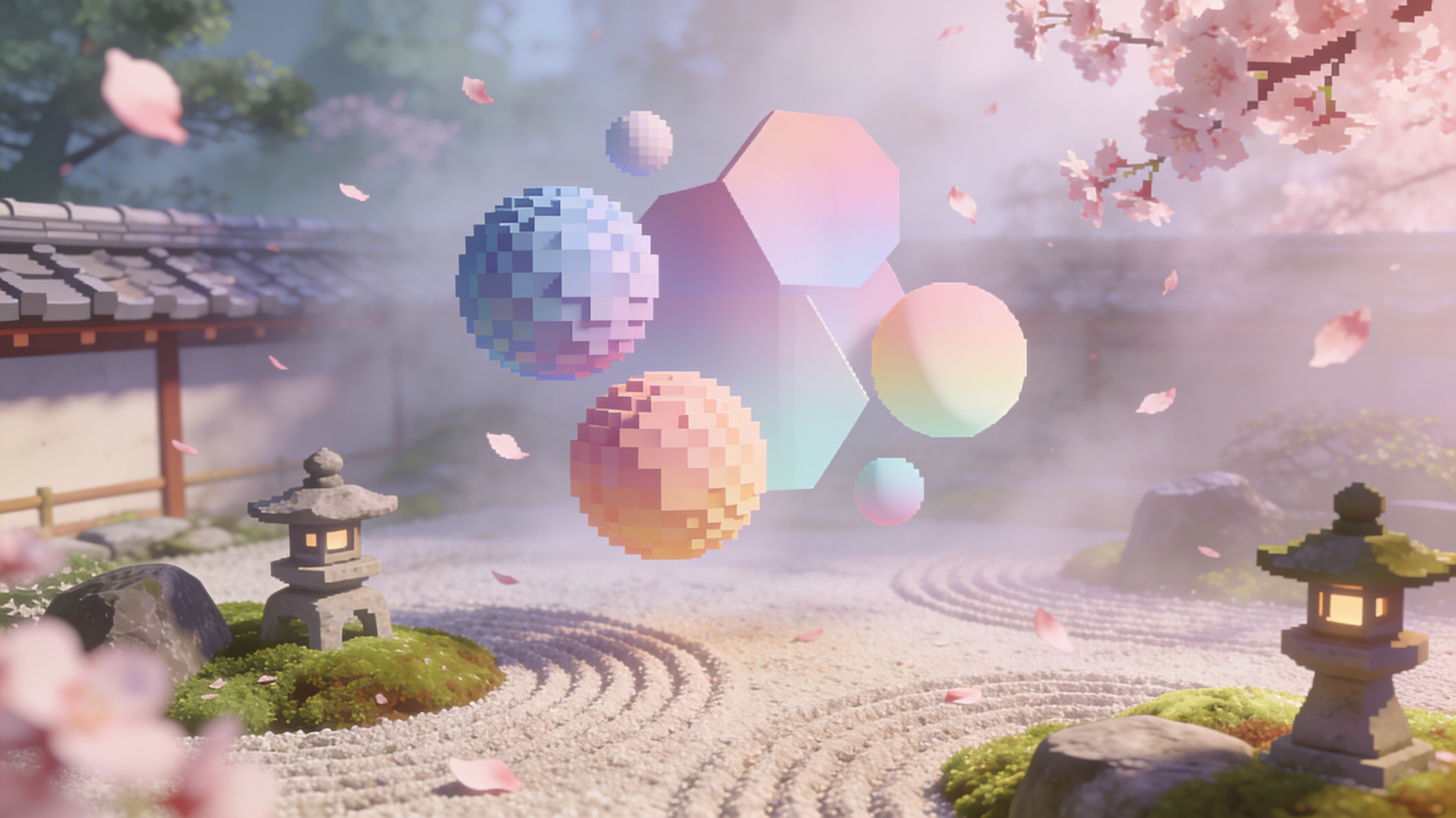
Vidu
Reference-guided consistent video generation
0.3 크레딧
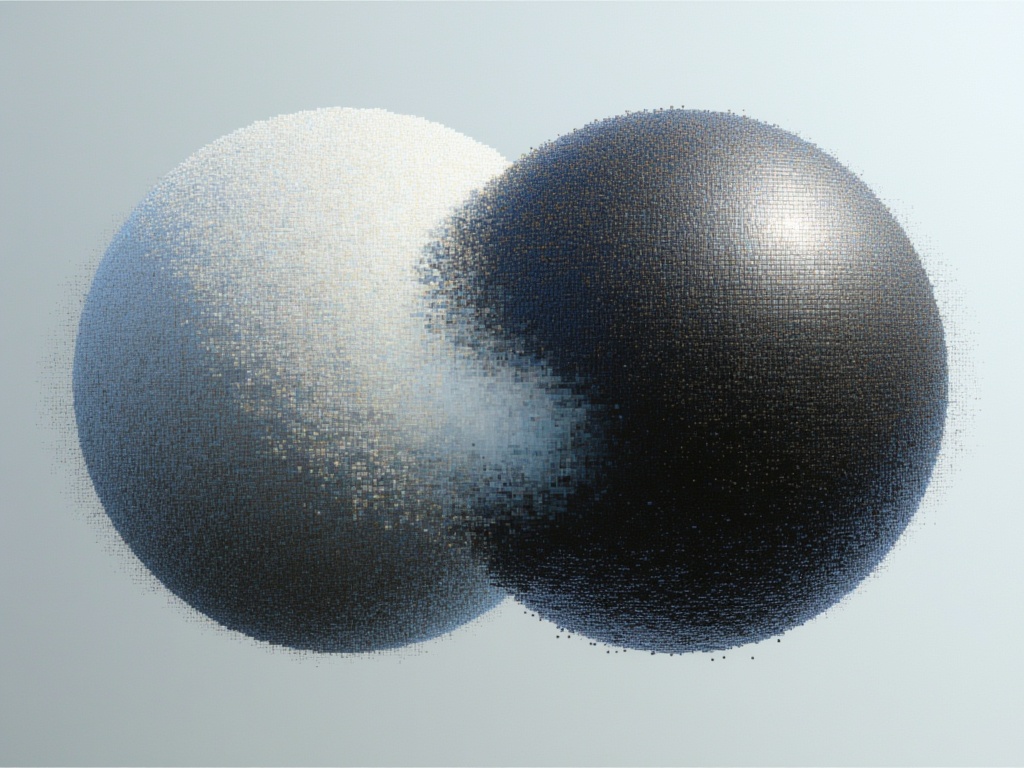
Goal Force
Physics-driven video from images
0.4 크레딧
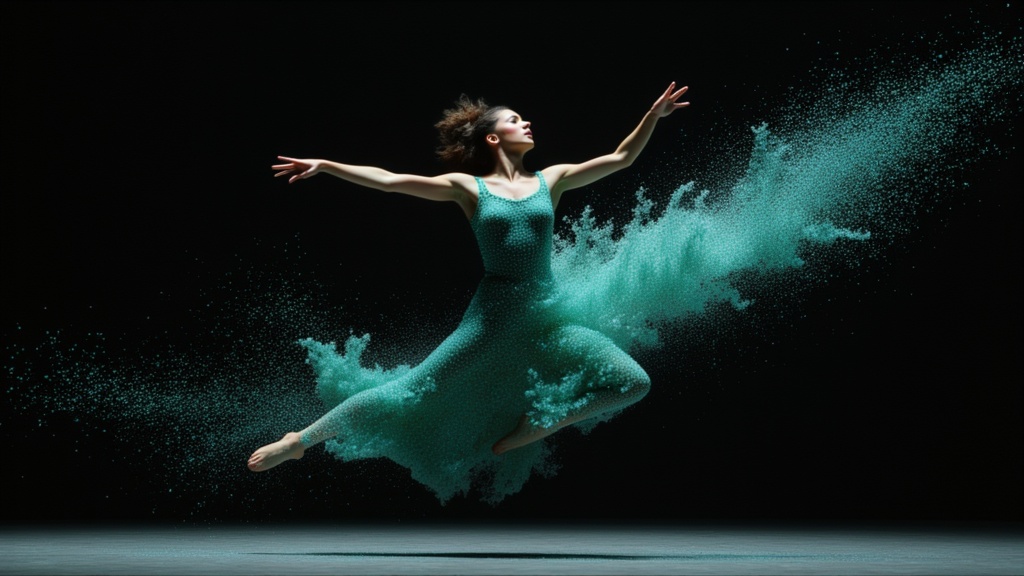
PixVerse C1 Image to Video
Cinematic video from your images
0.1 크레딧

PixVerse C1 Transition
Cinematic transitions between two images
0.1 크레딧

Veo3.1 Lite FLF
Animate between first/last frames
1.6 크레딧
Seedance 2.0 Fast Image to Video
Cinematic video from images fast
0.1 크레딧
Veo3.1 Lite Image to Video
Animate images into pro videos
1.6 크레딧