Lead Gen Ads: Hướng Dẫn Tối Thượng Để Có Lead Chất Lượng Cao

Làm chủ lead gen ads năm 2026. Hướng dẫn của chúng tôi bao gồm các nền tảng, công thức sáng tạo video, tối ưu hóa, và cách mở rộng với AI để có lead chất lượng cao cho B2B & B2C.
Bạn khởi chạy một chiến dịch. Tỷ lệ click-through trông khỏe mạnh. Bình luận khá ổn. Thậm chí một vài người còn lưu quảng cáo.
Sau đó leads đến, và đội ngũ bán hàng ghét chúng.
Đó là lúc nhiều marketer bắt đầu đổ lỗi cho nền tảng. Meta gửi leads kém chất lượng. Google quá đắt. LinkedIn tốn kém quá. Form quá ngắn. Đối tượng quá rộng. Đôi khi những lời phàn nàn đó đúng. Thường thì vấn đề lớn hơn đơn giản hơn. Chiến dịch được xây dựng để tạo form fills, không phải để tạo ý định mua hàng.
Quảng cáo lead gen hoạt động khi bạn coi chúng như một hệ thống. Quảng cáo thu hút đúng loại sự chú ý. Offer lọc đúng loại vấn đề. Form thu thập dữ liệu qualification hữu ích. Follow-up diễn ra nhanh chóng. Creative được làm mới trước khi hiệu suất giảm sút. Nếu một phần yếu, toàn bộ hệ thống sẽ trở nên ồn ào.
Đó là lý do chủ đề này quan trọng ngay lúc này. 90,7% marketer sử dụng website làm kênh chính để tạo leads và doanh số, trong khi blog được dùng bởi 89,2%, email bởi 69,2%, và PPC ads bởi 53,7% theo bài tổng hợp thống kê lead generation của Email Vendor Selection. Nhiều đội ngũ đã có sẵn các kênh. Thứ họ không luôn có là một mô hình vận hành sạch sẽ để biến sự chú ý thành pipeline chất lượng.
Vượt Qua Clicks: Tại Sao Quảng Cáo Lead Gen Là Động Cơ Tăng Trưởng Của Bạn
Mô hình thất bại phổ biến nhất trông như thế này. Một doanh nghiệp chạy quảng cáo tối ưu hóa cho traffic hoặc form submissions giá rẻ. Dashboard cho thấy volume đang đến. Sales nói không ai nghiêm túc. Marketing phản ứng bằng cách hạ CPL lần nữa, điều thường làm vấn đề chất lượng tệ hơn.
Vòng xoáy đó xảy ra vì quảng cáo lead gen không phải là một format trước tiên. Chúng là một objective.
Quảng cáo lead gen là một trao đổi giá trị
Quảng cáo lead gen yêu cầu ai đó trao đổi thông tin liên hệ để lấy thứ gì đó hữu ích. Thứ “đó” có thể là webinar, buying guide, quote, consultation, product demo, checklist, hoặc template. Trường liên hệ là giao dịch. Offer là lý do giao dịch xảy ra.
Khi offer yếu, bạn nhận được curiosity clicks. Khi nó lệch lạc, bạn nhận được leads không liên quan. Khi nó quá rộng, bạn lấp đầy CRM bằng những người thích quảng cáo nhưng không bao giờ có ý định mua.
Quy tắc thực tế: Nếu offer hấp dẫn ngang nhau với người mua và không phải người mua, nó quá lỏng lẻo cho lead generation nghiêm túc.
Một “free guide” chung chung thường kém hiệu suất hơn một lời hứa sắc bén gắn với pain point rõ ràng. Quảng cáo không cần bán toàn bộ sản phẩm. Nó cần bán bước tiếp theo cho đúng người.
Clicks không xây dựng pipeline
Nhiều đội ngũ vẫn đánh giá quảng cáo lead gen bằng surface metrics. Điều đó ổn cho việc chẩn đoán creative engagement. Nó yếu cho việc chẩn đoán business impact.
Một chiến dịch có ít leads hơn có thể vượt trội hơn chiến dịch có nhiều leads hơn nếu leads dễ qualify hơn, dễ liên hệ hơn, và có khả năng chuyển sang sales conversations cao hơn. Đó là lý do các operator có kinh nghiệm nhìn vượt qua platform-reported success và hỏi những câu khác:
- Offer có đủ relevant để thu hút in-market prospect không?
- Form có screen intent thay vì khuyến khích empty submissions không?
- Follow-up có diễn ra đủ nhanh để tận dụng interest không?
- Ad promise có khớp với landing experience hoặc form experience không?
Vai trò thực sự của quảng cáo lead gen
Sử dụng tốt, quảng cáo lead gen tạo ra một acquisition engine front-end có thể lặp lại. Chúng cho phép bạn test market message, offer design, audience fit, và qualification logic cùng lúc.
Chúng cũng buộc kỷ luật. Bạn không thể trốn sau vanity metrics khi sales team bắt đầu review lead quality. Áp lực đó hữu ích. Nó thúc đẩy marketing ngừng đuổi cheap clicks và bắt đầu engineering demand capture mà business có thể close.
Chọn Chiến Trường Của Bạn: So Sánh Các Nền Tảng Quảng Cáo Lead Gen
Lựa chọn nền tảng ảnh hưởng đến lead quality hơn mức thường được hiểu. Không phải vì một nền tảng “tốt” và cái khác “xấu”, mà vì mỗi cái capture một loại intent khác nhau.
Một số kênh là interruption channels. Một số là demand capture channels. Một số là filtering layers cho narrow professional audience. Nếu bạn bỏ qua điều đó, bạn sẽ so sánh CPL không nên so sánh.
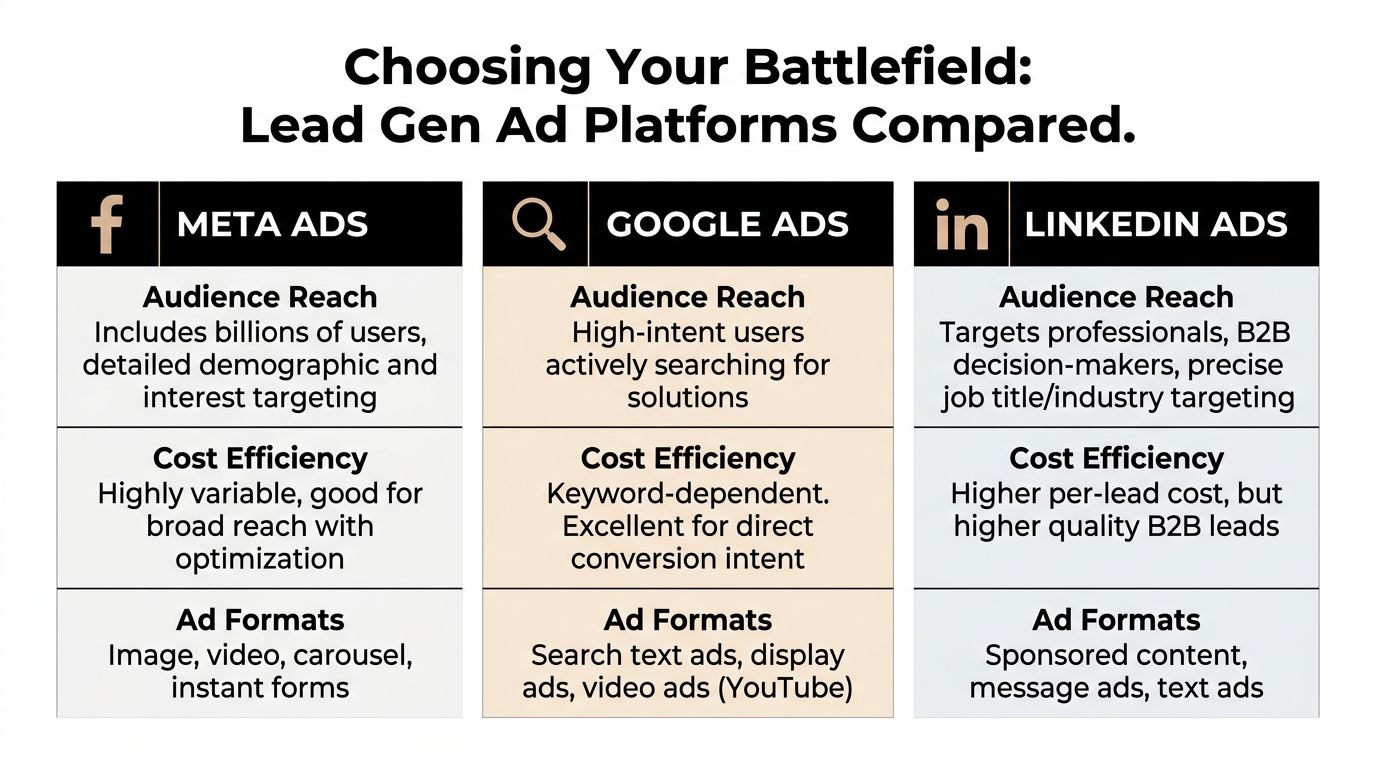
So sánh nhanh
| Nền tảng | Tốt nhất cho | CPL điển hình | Lead Quality |
|---|---|---|---|
| Meta Ads | Broad reach, retargeting, visually driven offers, nhiều B2C và một số B2B plays | Có thể rất hiệu quả khi audience inputs mạnh | Dao động từ yếu đến xuất sắc tùy offer, form friction, và audience quality |
| Google Ads | High-intent demand capture, urgent problem solving, local services, bottom-funnel search | Phụ thuộc keyword | Thường mạnh khi search intent rõ ràng |
| LinkedIn Ads | Narrow B2B targeting theo role, company type, industry, hoặc seniority | Thường cao hơn các nền tảng lớn khác | Thường mạnh nhất cho precise B2B targeting |
| Landing-page-first approach | Brands cần tighter qualification, longer copy, và stronger message control | Thay đổi theo traffic source | Thường được lọc tốt hơn low-friction native forms |
Meta Ads
Meta vẫn là một trong những môi trường linh hoạt nhất cho quảng cáo lead gen, đặc biệt nếu bạn biết cách kiểm soát quality. Nó mạnh cho broad top-of-funnel reach, retargeting, short-form video, local services, coaching offers, education products, và nhiều lead flows DTC-adjacent.
Sai lầm lớn nhất trên Meta là dựa vào broad interest stacks và low-friction forms mà không đủ qualification. Setup đó thường mời impulsive submissions.
Upside là Meta thưởng cho strong signal quality. Sử dụng lookalike audiences từ high-quality clients cộng demographic filters có thể đạt cost per lead thấp chỉ $3,10, với 8% leads chuyển thành active users, theo bài viết của Zapier về best practices Facebook lead ads. Ý tưởng cốt lõi quan trọng hơn benchmark. Good seed data cho algorithm định nghĩa rõ ràng hơn về valuable prospect.
Nơi Meta tỏa sáng
- Visual persuasion: Xử lý tốt video, testimonial clips, founder-led creative, before-and-after framing, và educational hooks.
- Speed of testing: Bạn có thể xoay new concepts nhanh chóng.
- Retargeting depth: Website visitors, engagers, và customer lists tạo remarketing layers thực tế.
Nơi Meta gặp khó
- Low-intent browsing: Nhiều user không định giải quyết vấn đề của bạn hôm nay.
- Form inflation: Instant forms làm submission dễ dàng. Đôi khi quá dễ.
- Creative fatigue: Winning ads suy giảm nếu không refresh thường xuyên.
Các chiến dịch Meta tốt hơn thường bắt đầu từ customer quality và làm ngược lại. Các chiến dịch Meta kém bắt đầu từ audience size và làm thuận.
Google Ads
Google ít tha thứ hơn về creative, nhưng thường mạnh hơn về intent. Search traffic có thể xuất sắc khi ai đó biết vấn đề họ muốn giải quyết và đang actively tìm solution.
Ở đây, quảng cáo lead gen hưởng lợi từ sharp commercial phrasing. Nếu category của bạn có urgent, expensive, hoặc recurring pain, search có thể tạo lead flow sạch hơn social. Traffic thường ít “inspired by an ad” hơn và nhiều “trying to fix something now” hơn.
Google khó hơn khi offer cần education trước khi prospect hiểu tại sao họ nên quan tâm. Trong những trường hợp đó, social hoặc YouTube-style video thường tạo demand hiệu quả hơn search text alone.
LinkedIn Ads
LinkedIn đắt đến mức sloppy offers bị phạt nhanh. Nhưng nếu bạn cần operations leaders, HR buyers, IT managers, finance teams, hoặc department heads tại defined company types, ít nền tảng match được filtering power của nó.
Điều đó không có nghĩa LinkedIn tự động tạo campaigns tốt hơn. Nó nghĩa là targeting có thể tốt hơn. Offer vẫn phải justify interruption, và form vẫn phải separate mild curiosity từ active need.
LinkedIn hoạt động tốt nhất khi sales process consultative và deal value hỗ trợ higher acquisition cost. Nó kém hơn khi offer generic, audience overly broad, hoặc creative đọc như corporate wallpaper.
Native lead forms so với landing pages
Đây là trade-off thực tế mà nhiều đội ngũ tránh.
Native forms giảm friction. Điều đó có thể hạ CPL và tăng volume. Chúng hữu ích khi response speed cao và qualification process diễn ra ngay sau submission.
Landing pages thêm friction, nhưng useful friction. Chúng cho phép kiểm soát message order, giải thích offer sâu, giới thiệu proof, và pre-frame prospect trước form. Điều đó thường cải thiện lead quality, đặc biệt B2B hoặc higher-consideration purchases.
Sử dụng native forms khi speed và simplicity quan trọng. Sử dụng landing pages khi context và filtering quan trọng hơn.
Xây Dựng Offer Của Bạn: Tâm Lý Học Của Lead Magnet Chuyển Đổi Cao
Một chiến dịch có thể có clean targeting, decent budget, và strong CTR, rồi vẫn đưa cho sales một đống rác.
Offer thường là nguyên nhân.
Tôi thấy điều này liên tục trong lead gen accounts. Đội ngũ ám ảnh với hooks, edits, landing page tweaks, và form fields, nhưng lead magnet yêu cầu contact details trước khi earn được exchange. Rồi họ đổ lỗi nền tảng vì low intent. Platforms có quirks, nhưng weak offer sẽ fail trên bất kỳ cái nào.
Một offer tốt phù hợp với công việc hiện tại của buyer
High-converting lead magnets match specific moment. Chúng trả lời câu hỏi prospect đã có, ở mức detail họ muốn.
Checklist hoạt động cho ai đó đã biết task và muốn speed. Webinar hoạt động cho ai cần context trước khi judge solutions. Demo, consultation, hoặc audit hoạt động khi buyer đã qua education và muốn biết sản phẩm có fit tình huống của họ không.
Broad offers kéo broad intent. Đó là cách bạn nhận leads happily download asset và biến mất khi sales follow-up.
Buyer awareness nên định hình offer
Cách dễ nhất để cải thiện lead quality là ngừng yêu cầu one asset phục vụ mọi stage.
Top of funnel
Early-stage prospects cần orientation. Họ có thể cảm nhận vấn đề, nhưng chưa sẵn sàng sales conversation.
Offers hoạt động ở đây bao gồm:
- Educational guides
- Explainer videos
- Trend briefings
- Problem-framing content gắn với clear pain point
Stage này cũng hưởng lợi từ creative cảm giác native với platform thay vì polished vào ad fatigue ngày thứ ba. Nếu bạn xây dựng creator-style assets để warm cold audiences, hướng dẫn này về cách làm UGC-style ads cảm giác natural in-feed là tài liệu tham khảo hữu ích.
Middle of funnel
Mid-funnel prospects đang so sánh options, methods, hoặc vendors. Offer nên giúp evaluate, không chỉ learn.
Useful formats bao gồm:
- Templates
- Checklists
- Comparison sheets
- Recorded trainings
- Live workshops hoặc webinars
Đây cũng là nơi nhiều đội ngũ tạo unnecessary creative bottlenecks. Họ có one webinar, one template, one static ad, rồi tự hỏi tại sao volume stalls. Trong thực tế, offer có thể giữ nguyên trong khi packaging thay đổi. New hooks, angles, intros, và proof points thường revive strong mid-funnel asset mà không thay đổi asset. Điều đó quan trọng vì lead gen scale thường break ở creative production trước khi break ở audience size.
Bottom of funnel
Late-stage buyers không muốn educational download nữa. Họ muốn clarity, specificity, và next step cảm giác commercially relevant.
Sử dụng offers như:
- Free consultation
- Demo request
- Quote
- Audit
- Trial hoặc custom plan
Ở stage này, best lead magnet hầu như không cảm giác như magnet. Nó cảm giác như progress.
Offer phải dễ package thành multiple ad angles
Đây là phần nhiều lead gen guides bỏ qua.
Strong offer không chỉ persuasive. Nó còn producible. Nếu offer chỉ hợp lý trong one polished explainer video hoặc one founder monologue, scaling đắt nhanh. Bạn cần offer hỗ trợ nhiều creative angles: pain-led, proof-led, objection-led, audience-led, và outcome-led.
Đó là nơi AI-assisted production bắt đầu quan trọng. Tools như ShortGenius giúp đội ngũ biến one core offer thành nhiều video variants mà không rebuild creative process từ scratch mỗi tuần. Điều đó không fix bad offer. Nó cho phép good offer survive contact với real testing volume.
Những gì weak offers thường có chung
Weak lead magnets thường fail vì một trong ba lý do:
- Quá general. Chúng thu hút curiosity thay vì buying intent.
- Quá early. Chúng đưa beginner education cho buyers muốn proof, pricing, hoặc process.
- Quá disconnected từ sale. Chúng generate opt-ins từ người không bao giờ fit sản phẩm.
Best offers làm filtering trước khi form làm. Đó là cách lead gen predictable hơn.
Công Thức Creative: Thiết Kế Quảng Cáo Dừng Scroll
Một lead gen account thường break ở cùng chỗ. Offer solid, targeting acceptable, form works, nhưng ads tất cả trông như từ one brainstorm và one edit session. Performance stalls vì market đã thấy toàn bộ creative playbook.
Creative có job khó hơn ở lead gen so với ecommerce. Nó phải stop attention, qualify click, và set expectations cho form. Nếu ad wins attention từ wrong people, sales cảm nhận tuần sau.
Tại sao video cho bạn control lead quality nhiều hơn
Video tiếp tục thắng ở lead gen vì lý do thực tế. Nó cho phép filter sớm hơn.
Bạn có thể call out audience ở first line, show problem in context, add proof, và frame next step trước khi ai mở form. Extra context quan trọng vì weak clicks đắt. Như đã lưu ý trước, marketer consistently report video cải thiện lead generation results. In-platform, lợi thế lớn hơn thường là diagnostic. Video cho đội ngũ nhiều pieces để test, nên bạn thấy drop từ hook, promise, proof, hay CTA.
Nếu bạn cần clean breakdown của video structure, hướng dẫn này về cách tạo video ads là tài liệu tham khảo hữu ích.
Video cũng cho bạn room test presentation style mà không thay đổi offer. Founder clip, customer-style testimonial, screen recording, UGC-style script, hoặc product explainer có thể bán cùng lead magnet từ different angles. Điều đó quan trọng khi creative fatigue sets in fast.
Đối với brands dựa polished lifestyle visuals hoặc virtual presenters, AI model creation cũng giúp produce new visual setups mà không book shoot mới mỗi lần cần fresh variant.
Video structure qualify thay vì chỉ attract clicks
Framework đơn giản nhất tôi luôn quay lại là Hook, Problem, Proof, Next Step.
Nó works vì match cách buyers screen offers in-feed.
Hook
Mở bằng concrete situation, không vague benefit.
Examples:
- “Vẫn trả tiền cho demo requests không bao giờ reply?”
- “Nếu sales team của bạn đuổi bad inbound leads, đây thường là lý do.”
- “Đối với local service companies, form mistake này giết quote quality.”
Specific hooks giảm wasted attention. Broad hooks inflate CTR và để sales team với junk.
Problem
Name friction bằng plain language. Show bạn hiểu sales process đằng sau lead, không chỉ click.
Good lead gen creative nói về missed appointments, low-fit demos, bloated CAC, slow follow-up, bad qualification, hoặc channels produce volume without pipeline. Nó nghe như operator viết.
Proof
Đây là section weak ads skip.
Proof có thể là result, process screenshot, customer quote, before-and-after workflow, hoặc sharp operational point như “chúng tôi thay form flow và cut low-intent submissions.” Với lead gen, proof không chỉ build trust. Nó filter casual curiosity.
Next Step
Present one action. Giữ narrow.
Book audit. Request quote. Watch demo. Get plan. Ad nên làm next step cảm giác useful riêng, ngay cả với ai không ready buy hôm nay.
Static ads vẫn works, nhưng cần tighter message control
Static vẫn produce excellent leads, đặc biệt retargeting, local offers, straightforward services, và branded search support. Nhưng static ít room explain. Nghĩa là every element phải carry weight.
Sử dụng checklist này:
- One idea trong visual
- One promise trong headline
- One audience cue
- One CTA
- One proof element, nếu space allows
Nếu image, headline, và primary text tất cả làm different promises, ad cảm giác generic. Generic creative được cheap engagement và expensive lead review.
Creative fatigue thường là production problem
Đội ngũ thường đổ lỗi targeting khi CPL rises và lead quality slips. Trong nhiều accounts, issue đơn giản hơn. Same hooks, same edit rhythm, same spokesperson, và same CTA framing chạy quá lâu.
Fix không phải “make better ads.” Fix là produce đủ distinct variations để testing thành real thay vì ceremonial.
Useful variables để rotate bao gồm:
- Hook angle
- Opening visual
- Spokesperson type
- Proof format
- Offer framing
- CTA wording
- Video length
Đây là bottleneck nhiều lead gen guides barely address. Strategy dễ nói. Production là nơi đội ngũ stuck. Nếu every new test cần fresh script, new shoot day, và full editing cycle, creative velocity collapses. Accounts scale thường là những cái có system biến one offer thành many usable ad variants trước khi fatigue forces issue.
Scaling Creative Production Với AI Workflow
Bottleneck ở quảng cáo lead gen thường không phải campaign setup. Là creative output.
Nhiều đội ngũ nghĩ ra one decent angle. Some produce three. Very few reliably generate đủ new hooks, edits, formats, và variants mỗi tuần để giữ learning curves clean trên Meta, Instagram, TikTok, YouTube Shorts, và landing page support assets.
Gap đó quan trọng vì modern lead gen performance phụ thuộc testing velocity.
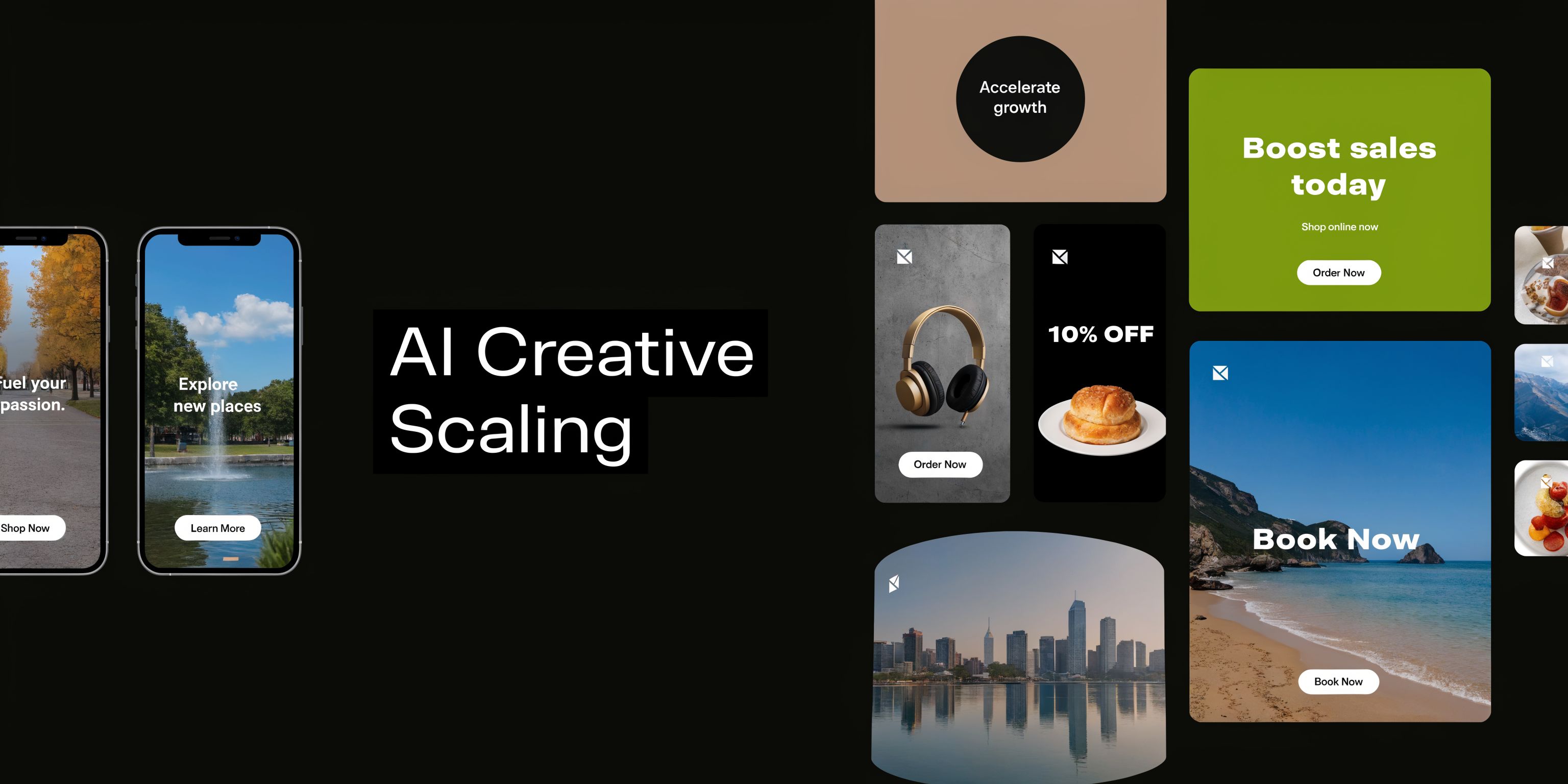
Tại sao static-first testing có limits
Nhiều advertiser vẫn build lead gen quanh few image ads và one form. Có thể work tạm, nhưng break khi audience thấy concept quá nhiều hoặc product cần nuance one image không deliver.
Underserved angle ở space này là AI-generated short-form video built specifically cho lead gen. AdEspresso lưu ý dynamic video hooks boost engagement 30% đến 50% và video outperform images 2x CTR trên Meta trong context này, như trong bài về ad angles và Facebook ads. Useful lesson không chỉ “use video.” Là richer creative cho nhiều ways pre-qualify interest trước khi ai mở form.
AI creative workflow workable trông như thế nào
Right workflow bắt đầu từ one offer và biến thành multiple testable expressions.
Bắt đầu với angle expansion
Lấy single lead magnet và generate several distinct ad angles:
- pain-first
- outcome-first
- regret-driven
- myth-busting
- founder story
- customer objection
- niche audience callout
Nhiều đội ngũ không thua vì thiếu ideas. Họ thua vì turning each idea thành polished ad mất quá lâu.
Build hook variants trước full edits
Đừng fully produce every concept. Generate opening lines, on-screen text options, voiceover versions, và first-scene alternatives trước. Điều đó cho test top of funnel nơi most ad performance decided.
Create modular assets
Sử dụng interchangeable scenes, B-roll, captions, voiceovers, và CTAs. Modular system làm one base concept stretch xa hơn. Ở đây, AI image và video generation cũng useful. Nếu cần fresh visual styles hoặc product-adjacent scenes mà không organize full shoot, resources về AI model creation giúp đội ngũ nghĩ flexible hơn về visual production inputs.
Resize và repackage theo placement
Đừng assume one export works everywhere. Story placements, reels, feeds, và landing page embeds cần different framing. Creative system nên adapt same idea cho mỗi environment mà không rebuild from scratch.
Điều này thay đổi gì cho small teams
Trước AI-assisted production, high-tempo testing chủ yếu dành cho brands có editors, motion designers, copywriters, và paid media operators dưới one roof. Giờ small teams có thể run sharper process nếu nghĩ in batches.
Useful reference là hướng dẫn về best AI ad generator, đặc biệt nếu so sánh cách different tools handle scripting, voiceover, editing, và asset generation trong one workflow.
Core shift là operational. Thay vì treat creative như campaign asset, treat như always-on testing pipeline. Đó là cách quảng cáo lead gen giữ efficient mà không collapse vào stale hooks và low-intent submissions.
Từ Setup Đến Launch: Hướng Dẫn Thực Tế Lead Gen Ad Walkthrough
Cách nhanh nhất để hiểu quảng cáo lead gen là build one clean campaign từ scratch. Meta là good example vì flexible, widely used, và unforgiving khi setup sloppy.
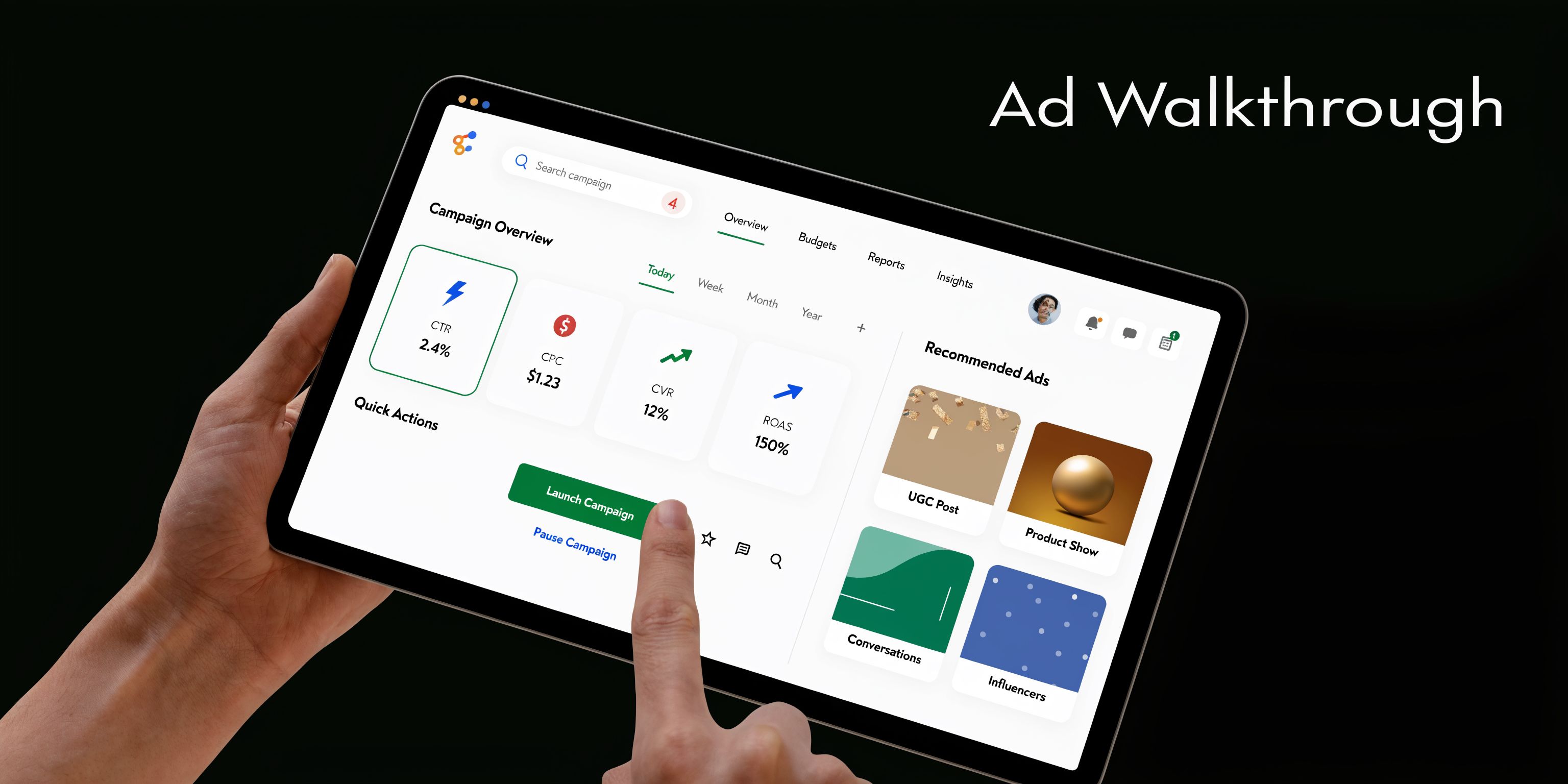
Bước 1: Chọn đúng campaign objective
Chọn lead objective, không traffic hoặc engagement.
Nghe obvious, nhưng nhiều weak lead programs bắt đầu wrong optimization goal. Nếu yêu cầu platform clicks, nó tìm clickers. Nếu yêu cầu leads, nó cố tìm converters.
Trong setup đó, quyết định sớm liệu bạn muốn:
- Instant forms trên Meta
- Website conversion flow đến landing page
- Hybrid setup với retargeting layers
Nếu offer cần explanation, website flow thường cleaner. Nếu sales team move fast và form có qualification, instant forms work well.
Bước 2: Define audience với signal quality trong đầu
Bắt đầu từ best customer data bạn có, không biggest audience imaginable.
Good audience setup thường combine:
- customer list hoặc qualified lead list
- website visitor audiences với meaningful behavior
- exclusions cho existing customers hoặc bad-fit segments
- lookalike modeling nếu available
- demographic hoặc role filters khi offer đòi hỏi
Meta perform tốt hơn khi seed list reflect actual quality. List tất cả leads thường tệ hơn smaller list qualified leads.
Uploading weak data dạy algorithm weak patterns.
Bước 3: Build ad quanh one idea
Sử dụng one offer và one angle per ad. Đừng stack five messages vào one unit.
Clean ad thường bao gồm:
- direct hook
- quick context cho problem
- one proof point hoặc credibility signal
- clear next step
Với lead gen, ad nên pre-frame prospect. Nếu người xem/đọc vẫn không hiểu dành cho ai, form sẽ collect noise.
Bước 4: Create form với useful friction
Ở stage này, nhiều campaigns lệch hướng. Chúng remove quá nhiều friction vì volume.
Thêm đủ friction để protect quality:
- Ask fit questions: Role, company type, need, timeline, hoặc service category.
- Use multiple choice nơi possible: Giữ form completion cleaner hơn open-ended fields.
- Make offer explicit lại: Confirmation screen nên restate next.
- Set expectations: Nói lead liệu họ nhận email, call, text, hoặc booking link.
Form nên screen wrong person mà không punish right one.
Đây là walkthrough video nếu bạn muốn thấy campaign mechanics in action:
Bước 5: Connect follow-up trước launch
Đừng bao giờ launch lead form dump submissions vào dashboard nobody checks.
Connect campaign với CRM, email tool, spreadsheet automation, hoặc SMS workflow trước spending starts. First response quan trọng hơn nhiều teams nghĩ, đặc biệt social leads cool off nhanh.
Handoff nên answer bốn câu ngay:
- Ai submitted
- Họ requested gì
- Họ qualified thế nào
- Action tiếp theo là gì
Bước 6: Review full path như buyer
Mở ad. Fill form. Đọc confirmation. Trigger email. Check CRM entry. Nghe sales handoff nếu có.
Hầu hết lead quality complaints không từ one dramatic failure. Chúng từ small disconnects giữa promise, form, và follow-up. Review whole path trước scale.
Đo Lường Và Tối Ưu: Metrics Lái Lead Quality
Cách dễ nhất để ruin quảng cáo lead gen là optimize wrong success signal.
Low CPL có thể hide terrible campaign. Higher CPL có thể bargain nếu leads move qua qualification vào revenue. Đó là lý do mature lead gen programs dùng platform metrics cho diagnosis, nhưng business metrics cho decisions.
Bắt đầu từ funnel, không ad account
Tối thiểu, track movement từ lead đến qualified lead đến sales conversation. Exact labels thay đổi theo team. Some dùng MQL và SQL. Some dùng pipeline stages. Naming ít quan trọng hơn feedback loop.
Quan trọng là marketing có thể answer:
- Campaigns nào produce reachable leads
- Nào produce qualified leads
- Nào produce sales-worthy conversations
- Offers nào attract wrong intent entirely
Nếu không map progression đó, ad account luôn noisier thực tế.
Practical troubleshooting framework
Khi campaign underperforms, diagnose theo failure mode.
Nếu CPL quá cao
Nhìn:
- creative fatigue
- weak hooks
- poor audience signal quality
- mismatch giữa ad và offer
- placement issues
Thường front-end problem. Platform không tìm đủ người willing take next step efficiently.
Nếu lead volume ổn nhưng quality kém
Nhìn:
- loose offer positioning
- low-friction forms
- vague CTA wording
- missing qualification questions
- bad-fit audience sources
Thường filtering problem. Bạn generate attention, nhưng không screen intent.
Nếu quality decent nhưng pipeline stalls
Nhìn:
- follow-up speed
- handoff quality
- CRM routing
- nurturing gaps
- sales process mismatch
Ở đây, marketing và sales thường blame nhau. Better approach là inspect timestamps, lead notes, và first-touch messaging.
Campaign không end tại form submit. Đó là nơi evaluation starts.
First-party data cải thiện optimization quality
Lúc này, serious lead gen programs separate từ casual ones.
First-party data strategies có thể tăng lead quality lên đến 10x trong AI-driven lead gen campaigns bằng cách đưa ad platforms better measurement và optimization signals, như thảo luận trong YouTube analysis về first-party data và lead quality. Practical terms, nghĩa là gửi platforms stronger downstream signals từ CRM thay vì optimize blindly trên raw lead count.
Loop đó tốt hơn khi internal qualification logic rõ. Nếu cần help tightening framework, lead scoring best practices là useful companion để quyết định gì count valuable lead versus casual inquiry.
Metrics đáng chú ý
Clean lead gen reporting view thường prioritize:
| Metric | Tại sao quan trọng |
|---|---|
| CPL | Hữu ích cho efficiency, nhưng chỉ entry metric |
| Lead-to-qualified rate | Cho thấy offer và form filtering tốt không |
| Qualified-to-opportunity rate | Cho thấy targeting và promise align sales reality không |
| Speed to first contact | Strong indicator liệu intent captured hay wasted |
| Source-level quality theo campaign và creative | Cho thấy messages nào attract buyers versus browsers |
Khi những cái đó in place, optimization calmer. Bạn ngừng react every dashboard wobble và bắt đầu cleaner decisions về audience inputs, offer design, và creative rotation.
Kết Luận: Xây Dựng Lead Engine Predictable Của Bạn
Good lead gen ads không đến từ clever targeting alone. Chúng từ alignment.
Platform phải match intent bạn cần. Offer phải match buyer stage. Creative phải stop right person, không everybody. Form phải filter mà không choke volume. Follow-up phải happen trước interest fades. Reporting phải tell leads nào deserve more budget.
Đó là lý do messy lead generation thường cảm giác random. Quá nhiều teams treat each part separately. Họ tweak copy mà không fix offer. Thay audiences mà không check form friction. Hạ CPL trong khi quality slides.
Predictable engine works khác. Treat lead gen ads như operating system. Creative testing runs continuously. Qualification data feeds platform. Sales feedback shapes audience inputs. Offers sharper over time.
Nếu cố improve results, start smaller hơn nghĩ. Audit one active offer. Rewrite one form. Launch one new creative angle nói narrower pain point. Rồi watch lead quality, không chỉ volume.
Nếu bottleneck là produce đủ ad variations để test seriously, ShortGenius (AI Video / AI Ad Generator) đáng thử. Nó giúp creators và teams biến one concept thành multiple video ad versions nhanh, nên test new hooks, formats, voiceovers, và platform cuts mà không slow phần còn lại lead gen machine.