วิธีให้ AI เขียนสคริปต์ที่ใช้งานได้จริง

เรียนรู้วิธีให้ AI เขียนสคริปต์สำหรับวิดีโอสั้นและโฆษณา เชี่ยวชาญเทมเพลตพรอมต์ การปรับแต่งแบบวนซ้ำ และการแมปฉากเพื่อผลลัพธ์ที่ดีขึ้น
ส่วนใหญ่คำแนะนำเกี่ยวกับวิธีให้ AI เขียนสคริปต์เริ่มต้นด้วย prompt สุดวิเศษ เพิ่ม hook, กลุ่มเป้าหมาย, call to action แล้วสคริปต์วิดีโอที่เสร็จสมบูรณ์จะปรากฏขึ้น ในกระบวนการผลิตจริง วิธีนี้มักสร้างเนื้อหาที่ไหลลื่นแต่ไร้สาระ จังหวะเร่งรีบ บทสนทนาธรรมดา และคำแนะนำภาพที่ไม่มีใครถ่ายทำได้
AI จะมีประโยชน์เมื่อคุณเลิกปฏิบัติกับมันเหมือนเครื่องจำหน่ายสินค้า และเริ่มปฏิบัติกับมันเหมือนนักเขียนรุ่นน้องในกระบวนการผลิตที่ควบคุมได้ ให้บริบทที่มีโครงสร้าง อนุมัติ story beats ก่อนร่างแยก narration ออกจากการดำเนินการภาพ และใช้การตรวจสอบอิสระเพื่อจับข้อบกพร่อง เป้าหมายไม่ใช่ความเร็วในการสร้างแบบดิบๆ แต่เป็นสคริปต์ที่เหมาะกับแพลตฟอร์ม สนับสนุนข้ออ้าง มีเสียงที่ตั้งใจ และยังคงมุมมองที่เป็นเอกลักษณ์ของมนุษย์
ทำไม One-Shot Prompts ล้มเหลวในการเขียนสคริปต์
ไอเดียแบบบรรทัดเดียวให้ข้อมูลที่ AI ต้องการในการตัดสินใจผลิตแทบไม่มีเลย “Write a short video about sustainable clothing” ไม่ได้กำหนดผู้ชม แพลตฟอร์ม ระยะเวลา เสียง ทรัพยากรภาพ วัตถุประสงค์เชิงพาณิชย์ ระดับความเชี่ยวชาญ หรือข้ออ้างที่ยอมรับได้ โมเดลต้องเดาว่า�ริบิลทุกตัวแปร และการเดาของมันมักสร้างรูปแบบที่คุ้นเคยมากกว่า concept ที่โดดเด่นและถ่ายทำได้
ปัญหาที่ลึกกว่านั้นคือ locally plausible writing ไม่ใช่ coherent storytelling ประโยคอาจฟังดูเป็นธรรมชาติแต่ทำให้ฉากอ่อนแอ ซ้ำข้อมูล เปลี่ยนแรงจูงใจตัวละคร หรือทำให้ payoff มาช้าเกินไป การเปรียบเทียบของ Stanford สร้าง 500 synthetic screenplay segments และประเมินกับ 500 real screenplay segments พบว่า plausible text เพียงอย่างเดียวไม่รับประกันสคริปต์ที่น่าดึงดูดหรือ coherent วิธี non-monotonic ที่แข็งแกร่งที่สุดเกิน baseline systems เพียงเล็กน้อยใน automated measures ส่วนใหญ่ รวมถึง BERTScore The Stanford report on screenplay generation ทำให้บทเรียนปฏิบัติชัดเจน: AI สามารถสร้าง prose ที่น่าเชื่อถือในระดับท้องถิ่นแต่พลาดงานดราม่าที่ยิ่งใหญ่กว่า
ร่างไม่ใช่ผลลัพธ์ที่ส่งมอบ
สคริปต์มืออาชีพมีข้อจำกัดหลายอย่างพร้อมกัน:
- Narrative movement: ฉากแต่ละฉากควรนำเสนอ พัฒนา หรือแก้ไขไอเดีย
- Performance fit: ภาษาพูดต้องฟังดูเป็นธรรมชาติเมื่อพูดออกเสียง ไม่ใช่แค่อ่านดีบนหน้าจอ
- Production reality: ช็อตที่แนะนำต้องทำได้ด้วยคน สถานที่,道具 และ footage ที่มี
- Platform pacing: การเปิด 密度ข้อมูล คำบรรยาย และตอนจบต้องเหมาะกับสภาพแวดล้อมการดู
- Commercial clarity: ผู้ชมควรเข้าใจว่าต้องทำอะไรต่อไปโดยไม่ได้รับข้อความแข่งขันกองพะเนิน
One-shot prompting ขอให้โมเดลแก้ปัญหาทั้งหมดพร้อมกัน ทำให้วินิจฉัยความล้มเหลวทำได้ยากเพราะแยกไม่ได้ว่า weak result มาจาก premise ที่คลุมเครือ โครงสร้างที่แย่ shot list ที่เป็นไปไม่ได้ หรือ tone ที่ไม่เหมาะ
Practical rule: ใช้ first generation เพื่อเปิดเผยการตัดสินใจ ไม่ใช่หลีกเลี่ยงการตัดสินใจ
ขอ outline ก่อนขอ dialogue ที่ขัดเกลา ทบทวน hook ลำดับ proof payoff และ call to action ขณะที่การเปลี่ยนยังถูก เมื่อโครงสร้างเวิร์กแล้ว ขยายเป็น narration และ production instructions การเปลี่ยน mindset นี้คือรากฐานของ AI scriptwriting ที่เชื่อถือได้
Building Context and Few-Shot Prompt Templates
AI ไม่สร้างสคริปต์ที่ใช้ได้เพราะ opening prompt ฟังดูฉลาด มันสร้างได้เมื่อ brief กำหนด audience production limits และ review rules ก่อนเริ่ม generation สร้าง context block ที่บอกโมเดลว่าสคริปต์จะรันที่ไหน ต้องทำอะไร และการตัดสินใจไหนยังอยู่กับ creator
ใช้ fields เช่น:
- Audience: อธิบายปัญหาของผู้ชม ระดับความรู้ แรงจูงใจ และ objection ที่น่าจะมี
- Platform: ระบุปลายทาง aspect ratio การจัดการ caption รูปแบบส่ง และบริบทการดู
- Runtime: กำหนด target duration และ spoken-word budget ที่สมจริง
- Objective: เลือก primary outcome เดียว เช่น การศึกษา lead generation product consideration หรือ direct sale
- Voice: ระบุความยาวประโยค พลังงาน คำศัพท์ humor emotional temperature และคำที่หลีกเลี่ยง
- Story inputs: ให้ setting ตัวละคร conflict product facts available proof และ desired resolution
- Boundaries: รายการข้ออ้างต้องห้าม footage ที่ไม่มี legal restrictions brand terminology และหัวข้อที่ต้อง review โดยมนุษย์
- Output schema: กำหนด fields ที่โมเดลต้อง return รวม timecode narration on-screen text shot direction transition และ audio
สอง fields สุดท้ายประหยัดเวลา production ถ้าโมเดลไม่รู้ว่าคุณไม่มี studio actors หรือ licensed stock footage มันอาจเขียนฉากน่าดึงดูดแต่ผลิตไม่ได้ ถ้าไม่รู้ required format ต้องแปลง prose block เป็น shooting document ทีหลัง
Examples anchor the requested voice
เพิ่มตัวอย่างสั้นๆ ที่แสดง scene format ที่ต้องการ จับคู่น narration line หนึ่งบรรทัดกับ on-screen caption และ visual เฉพาะ ถ้า brand มี voice ที่ตั้งอยู่ ให้ original sample ที่แสดง rhythm และ restraint ระบุชัดว่าตัวอย่างเป็น reference สำหรับ format และ tone ไม่ใช่ text ที่ copy
วิธีนี้คือ few-shot prompting การวิจัย GPT-3 ของ OpenAI พบว่าตัวอย่างใน prompt ปรับปรุง performance ในหลาย task โดยไม่ต้อง train โมเดลเพิ่ม บน TriviaQA accuracy เพิ่มจาก 64.3% with no examples to 71.2% with several examples แสดงว่าการสาธิตทำให้ output ชัดเจน The original GPT-3 research ไม่ประเมิน screenplay quality ดังนั้นนำหลักการไปใช้กับ script formatting ไม่ใช่ถือว่าเป็น proof ของ narrative quality
Reusable instruction สามารถอ่าน:
You are a short-form video writer and production planner. Use the context below. First return a beat sheet, not a full script. Every beat must include its purpose, approximate timing, narration intent, visual opportunity, and transition. Do not invent product facts. Mark unsupported claims for review. Provide three different hooks with distinct angles.
ขอ beat sheet ก่อน ทบทวนว่า hook sequence proof payoff และ call to action สมควรอยู่หรือไม่ จากนั้นค่อยขอ polished dialogue และ production detail
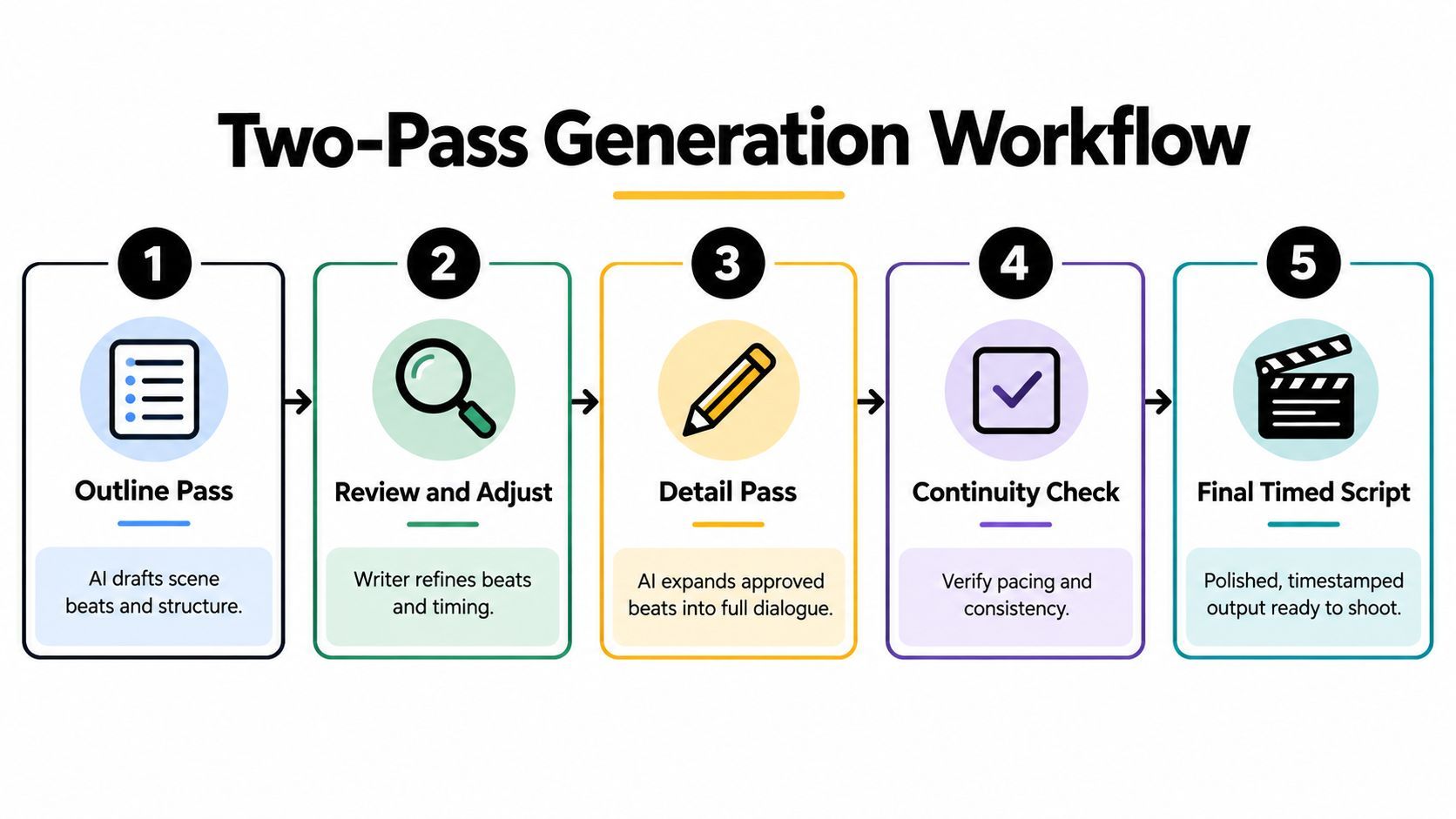
เก็บตัวอย่างให้สั้นและมีจุดมุ่งหมาย ตัวอย่างหนึ่งกำหนด formatting อีกตัวกำหนด voice และตัวที่สามแสดง visual specificity ที่ต้องการ ถ้าคุณประเมิน script tools AI video creation platform สามารถช่วยประกอบ structured ideas เป็น scenes ในขณะที่ creator ยังอนุมัติ underlying beats claims และ pacing
Executing a Two-Pass Generation Workflow
อย่าขอ final timed script จนกว่าน narrative จะรอด review สอง pass workflow แยก story architecture จาก language and production detail ทำให้การตัดสินใจแต่ละขั้นเล็กและจัดการง่ายกว่า
Pass one creates the beat sheet
ป้อน approved context block ให้โมเดลและขอ beat sheet แต่ละ beat ควรตอบคำถามห้าข้อ:
- Hook: อะไรสร้าง curiosity ทันทีหรือระบุปัญหาผู้ชม?
- Information sequence: ผู้ชมต้องเข้าใจอะไรก่อน หลัง และที่สาม?
- Proof: demonstration example source claim หรือ visual ไหนทำให้ point น่าเชื่อถือ?
- Payoff: อะไรเปลี่ยนสำหรับผู้หลังดู?
- Call to action: ขั้นตอนถัดไปเดียวที่ผู้ชมควรทำคืออะไร?
กำหนดให้ AI นำเสนอ beats ในตารางพร้อม purpose timing range core message และ risk note ในขั้นนี้ ลบไอเดียซ้ำๆ ปฏิเสธ unsupported claims ปรับลำดับ และ rewrite beat ที่ขึ้นกับ footage ที่ไม่มี Weak beat sheet ช่วยด้วย wording ที่ขัดเกลาไม่ได้
Instruction-following research แยก format compliance, content constraints, logical sequencing, and multi-step execution แทนการถือ quality เป็น score คลุมเครือ สนับสนุน production logic ของ workflow นี้: the instruction-following evaluation research แสดงว่าทำไม structured outline ทำให้ทดสอบ success ง่ายก่อน expand
Pass two expands approved beats
เมื่ออนุมัติ beat sheet ส่งกลับพร้อม instruction เข้มงวดให้ preserve sequence ขอให้โมเดลขยายแต่ละ beat เป็น:
- Timed narration
- On-screen text
- Shot or b-roll direction
- Camera movement or framing
- Transition
- Music and sound cue
- Fact status or review flag
บอกไม่ให้เพิ่ม claims ตัวละคร benefits หรือ plot turns ใหม่ ขอให้ระบุ beat ไหนที่ narration เกินเวลาแทนการบีบ ending โดยไม่ flag วิธีนี้ preserve editorial decisions จาก pass one ขณะให้ AI จัดการ drafting ซ้ำๆ
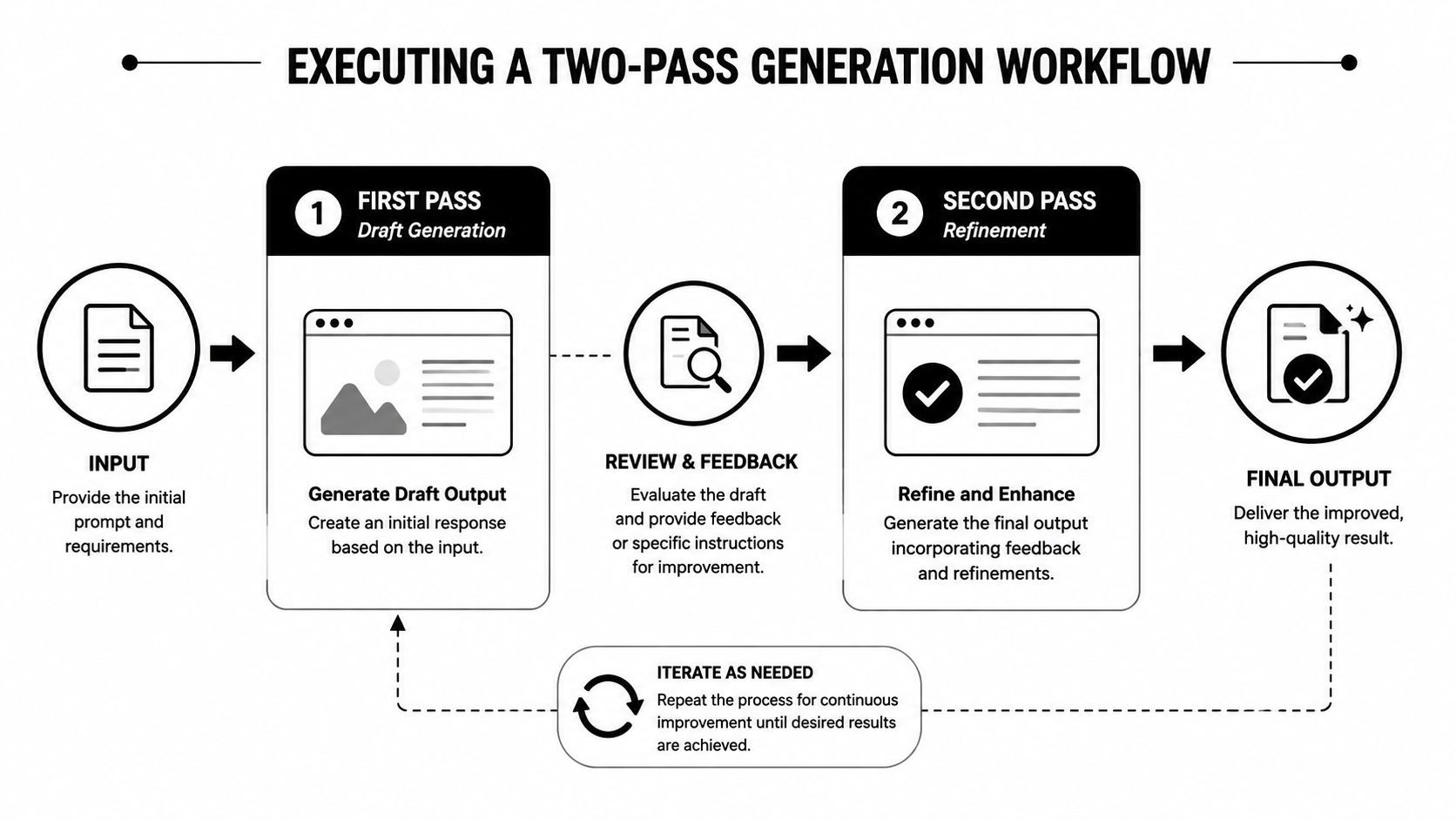
ผลลัพธ์ควรเป็น timed working document ไม่ใช่ marketing copy block สำหรับ guidance เพิ่มเติมเกี่ยวกับ how to write video scripts เปรียบเทียบ advice กับ production constraints ของคุณ Generic formulas ช่วยเริ่มได้ แต่ approved beat sheet ควบคุม final version
Mapping Scenes and Visual Directions
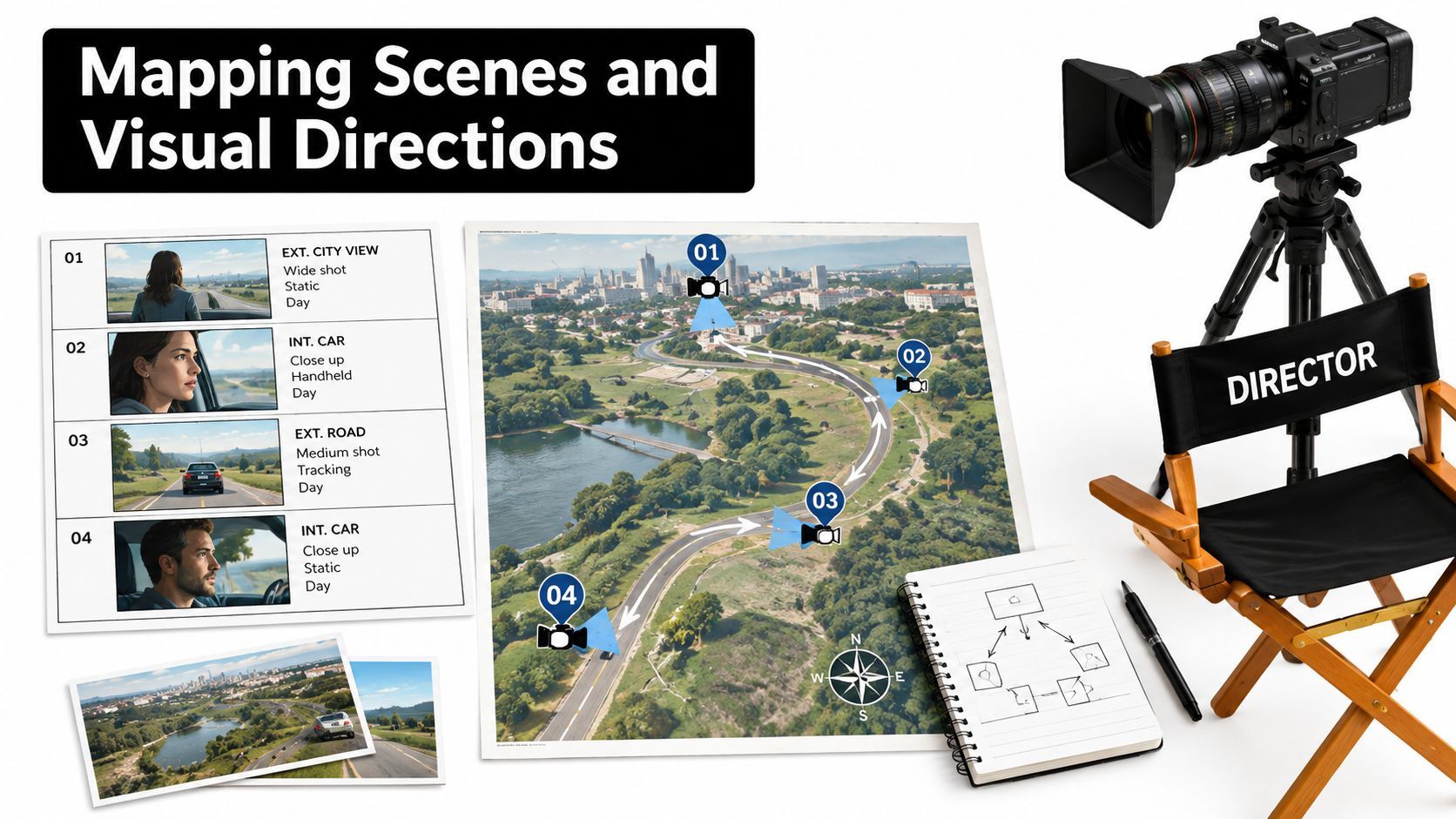
สคริปต์ไม่พร้อมเพราะคำพูดฟังดี มันใช้ได้เมื่อ director editor หรือ creator บอกได้ว่าอะไรปรากฏบนจอขณะพูดแต่ละบรรทัด Prompt ควรบังคับให้โมเดลเชื่อม spoken idea ทุกอันกับ visual decision ที่ execute ได้
เริ่มด้วยการกำหนด visual inventory บอก AI ว่าสามารถใช้ talking-head footage product close-ups screen recordings animation stock clips generated imagery captions หรือ brand assets ที่มี รวม restrictions เช่น single location vertical framing no actors หรือ no access ผลิตภัณฑ์มุมใดมุมหนึ่ง Inventory ยิ่ง concrete โมเดลยิ่งน้อย recommend cinematic shot ที่ผลิตไม่ได้
Pair each line with an action
ใช้ dual-column structure เมื่อ human editor จะอ่านสคริปต์ วาง time and narration ซ้าย visual execution ขวา สำหรับ tool-based workflows ขอ structured fields แทน เพราะ consistent labels ทำให้ swap scenes voices captions หรือ media ง่ายโดยไม่ rewrite ทั้งเอกสาร
Visual prompt ที่มีประโยชน์บอก:
For every narration line, provide one primary visual action. Specify subject, framing, movement, setting, and on-screen text. Avoid abstract directions such as “show success” or “make it engaging.” If a visual depends on an asset not listed in the inventory, mark it as unavailable.
“Show the customer succeeding” ไม่ใช่ช็อต “Medium vertical shot of the customer checking the completed dashboard, then a close-up of the highlighted result” ให้ editor สร้างได้
Design for the actual platform
Platform-specific pacing ไม่ใช่ decorative adjustment หลังเขียน มันเปลี่ยนลำดับและ density ข้อมูล Short-form feed ต้องการ opening visual ที่สื่อ tension หรือ relevance ทันที ขณะที่ educational explainer อาจต้องการ clear question ก่อน demonstration Product ad อาจต้องการ offer และ audience problem ใน early sequence เดียวกัน
ใช้ first moments สร้าง curiosity gap surprising contrast visible result หรือ direct problem statement จากนั้นสลับ visual changes กับ meaningful information Fast cuts โดยไม่มีข้อมูลใหม่สร้าง noise Static narration over unrelated footage ทำให้ผู้ดูเหนื่อย
ขอให้โมเดล flag ทุก scene ที่ขาด concrete visual ซ้ำ previous shot หรือวาง important text ที่ interface controls อาจบัง ให้ human editor ยืนยัน captions อ่านได้ claims อยู่ visible นานพอ understand และ proposed transitions ตรง footage ไม่ใช่ compensate การขาด
Implementing Independent Critique and Revision
“Make this script better” เป็น weak revision instruction เพราะไม่กำหนด better และเชิญ system เดียวกันที่สร้าง draft มาปกป้อง choices เดิม Workflow ที่แข็งแกร่งส่ง draft ไป independent critic ไม่ว่าจะ separate AI conversation rule-based check หรือ human editor และขอ failures ต่อ explicit tests
Research เปรียบ language models กับ human writers ระบุ generation followed by independent critique and revision เป็น quality-control pattern ที่เชื่อถือได้กว่า unrestricted self-editing กระบวนการใช้ repeated generations และ detailed human rubrics ลดโอกาสที่ lucky sample เดียวกำหนด verdict The creative-writing evaluation research สนับสนุน editorial separation ระหว่าง drafting และ judging
Give the critic pass and fail tests
ใช้ checklist แบบนี้:
- Opening: ประโยคแรกสร้าง clear curiosity gap หรือ state relevant problem หรือไม่?
- Progression: ฉากทุกฉาก advance ไอเดียหนึ่งแทน repeat previous หรือไม่?
- Timing: Spoken copy fit assigned word budget เมื่อ read naturally หรือไม่?
- Visuals: Creator execute ทุกช็อตด้วย listed resources ได้หรือไม่?
- Claims: Factual statement แต่ละอัน supported clearly framed as opinion หรือ marked for review หรือไม่?
- Continuity: Character names product details tone และ visual logic consistent หรือไม่?
- Ending: สคริปต์มี unambiguous action เดียวแทน competing requests หลายอันหรือไม่?
ขอ defect list ไม่ใช่ rewritten script กำหนดให้ critic ระบุ scene อธิบาย failure สั้นๆ และ propose line-level replacement เฉพาะที่จำเป็น จากนั้นส่ง defects เหล่านั้นไป writing model พร้อม instruction เปลี่ยนอย่างอื่นไม่ได้
Editorial discipline: Fix diagnosed defects ไม่ใช่ทุกประโยคที่โมเดลหาเหตุผล rewrite ได้
Compare openings before committing
Opening มี responsibility เกินสัดส่วน ดังนั้น generate at least three materially different hooks หนึ่งนำด้วย problem อีกด้วย demonstration และอีกด้วย counterintuitive claim Score แต่ละอันต่อ clarity originality audience fit factual accuracy narrative direction และ platform suitability
อย่าให้ critic reward polished clichés Hook อาจ grammatically sharp แต่พูดอะไรไม่ได้ ถ้าใช้ voice dictation เพื่อ natural first-person delivery advanced dictation refinement อาจช่วย clean transcript โดยไม่ sand away spoken quality Final choice ควร reflect creator's intent ไม่ใช่ model's preference สำหรับ familiar phrasing
Track acceptance แบบที่ team เข้าใจ Record ว่า first draft pass hard constraints หรือไม่ factual issues กี่อัน human approve script หรือไม่ และ revision rounds กี่รอบ Checks เหล่านั้นเปลี่ยน “it feels better” เป็น repeatable production standard
Preserving Human Authorship and Copyright
Fastest workflow ไม่ใช่ safest หรือ most distinctive อัตโนมัติ ถ้า AI ทำ expressive choices invents language selects structure และรับ superficial approval สุดท้าย สคริปต์อาจ polished แต่ contribute น้อยที่ชัดเจน belong to creator
2025 analysis ของ U.S. Copyright Office ระบุว่า prompts เพียงอย่างเดียวโดยทั่วไปไม่ให้ human control พอที่จะทำให้ user เป็น author ของ AI output Protection ขึ้นกับ perceptible human expression creative arrangement หรือ substantial modification ตาม Copyright Office analysis นี่ไม่ใช่เหตุผลหลีกเลี่ยงทุก AI-assisted workflow แต่เป็นเหตุผล document ว่าค creative decisions เข้ากระบวนการตรงไหน
Build an authorship record
เก็บ original brief source material approved beat sheet rejected alternatives revision notes และ final script version เขียน original character perspectives brand language examples และ points of view เข้า brief ก่อน generation จากนั้นทำ deliberate structural และ line-level changes หลัง draft มา
Changes เหล่านั้นควรเกิน correct spelling Reorder argument replace generic transitions sharpen central observation add original example remove unsupported claims และ shape ending รอบ actual relationship กับ audience Version history ควรแสดงว่า final work reflect meaningful editorial judgment
Protect voice while using assistance
AI มัก smooth unusual phrasing เป็น familiar patterns อาจ improve clarity แต่ remove details ที่ทำให้ creator recognizable เก็บ short voice guide ด้วย preferred rhythms recurring concepts prohibited clichés product terminology และ examples of lines ที่ sound like brand
Review disclosure requirements ก่อน publish หรือ deliver งานให้ client Platform client หรือ legal rules อาจ require label หรือ disclose AI involvement tip from AI Video Detector คือ treat provenance เป็นส่วน workflow ไม่ใช่ afterthought
Most defensible process คือ AI draft plus human authorship ให้ system accelerate outlining variation formatting และ mechanical transformations เก็บ research judgment tone claims narrative priorities และ final expression ภายใต้ human control
ShortGenius (AI Video / AI Ad Generator) เปลี่ยน approved brief หรือ prompt เป็น scene-by-scene video workflow พร้อม scriptwriting image generation video assembly voiceovers captions resizing และ editing tools ใช้ structured two-pass method ที่นี่ แล้วเยี่ยมชม ShortGenius (AI Video / AI Ad Generator) เพื่อเปลี่ยน reviewed script เป็น platform-ready video และ ad assets