کنٹینٹ ریپرپوزنگ ٹول: 2026 میں اپنے آؤٹ پٹ کو کئی گنا بڑھائیں

اپنے کنٹینٹ آؤٹ پٹ کو کئی گنا بڑھائیں اور وقت بچائیں۔ ایک طاقتور کنٹینٹ ریپرپوزنگ ٹول آپ کے برانڈ کو توسیع دیتا ہے۔ بہترین انتخاب کرنے کے لیے 2026 کا اپنا گائیڈ دریافت کریں۔
آپ نے دن بھر ایک webinar، podcast episode، یا flagship blog post بنانے میں صرفہ گزار کیا۔ لانچ ویک امید افزا لگ رہا تھا۔ کچھ کمنٹس آئے، ٹیم نے شیئر کیا، شاید sales نے ایک دو بار لنک کیا، اور پھر asset آرکائیو میں سب کچھ کے ساتھ چلا گیا۔
یہ سائیکل content teams کو ختم کر دیتی ہے کیونکہ کام کا بوجھ شروع میں بہت زیادہ ہوتا ہے اور shelf life مختصر ہوتی ہے۔ Content teams کو ideas کی کمی نہیں ہے۔ انہیں extraction کی کمی ہے۔ ان کے پاس قیمتی raw material ہے، لیکن ایک strong asset کو platform-ready pieces کی stream میں تبدیل کرنے کا کوئی reliable system نہیں ہے۔
ایک اچھا content repurposing tool اسے بدل دیتا ہے۔ نہ یہ mediocre content کو magically useful بنا دیتا ہے، بلکہ یہ ہر channel کو blank page سمجھنے کی عادت چھڑوا دیتا ہے۔ ایک webinar clips، posts، emails، article angles، ad concepts، اور follow-up assets بن جاتا ہے۔ کام constant reinvention سے structured adaptation کی طرف منتقل ہو جاتا ہے۔
The Content Creator's Dilemma
تقریباً ہر content operation میں ایک familiar pattern نظر آتا ہے۔
کوئی ایک solid interview ریکارڈ کرتا ہے۔ ایک strategist strong article کا outline بناتا ہے۔ ایک founder بالآخر long-form webinar مکمل کرتا ہے جو شیئر کرنے لائق بات کہتا ہے۔ ٹیم اسے publish کرتی ہے، چند دن promote کرتی ہے، اور پھر آگے بڑھ جاتی ہے کیونکہ calendar پہلے سے ہی اگلی چیز کا مطالبہ کر رہا ہوتا ہے۔
یہ content treadmill ہے۔ یہ careless teams کی وجہ سے نہیں ہوتا۔ یہ اس لیے ہوتا ہے کہ manual repurposing کو publishing کے اوپر extra work سمجھا جاتا ہے، نہ کہ publishing کا حصہ۔
لاگت صرف lost reach نہیں ہے۔ یہ wasted editorial effort ہے۔ ایک detailed blog post میں اکثر کئی argument threads، usable quotes، short-form hooks، visual explainers، اور audience questions ہوتے ہیں۔ ایک webinar میں عام طور پر short clips، social posts، newsletter sections، اور sales enablement content کے لیے moments ہوتے ہیں۔ لیکن اگر کسی کو ان pieces کو mine کرنے کا وقت نہ ہو تو asset صرف ایک بار استعمال ہو جاتا ہے۔
Strong source content rarely has a one-format problem. It has a workflow problem.
یہی وجہ ہے کہ repurposing کو cleanup نہیں بلکہ strategy سمجھا جانا چاہیے۔ اچھا کرنے پر یہ ایک good asset کو دوسری زندگی دیتا ہے، پھر تیسری، پھر دسویں۔ مقصد ہر channel کو duplicates سے بھرنا نہیں ہے۔ مقصد ایک core idea کو مختلف جگہوں پر content consume کرنے کے طریقوں کے مطابق formats میں adapt کرنا ہے۔
جو teams یہ shift کرتی ہیں وہ "آج ہمیں کیا بنانا ہے؟" پوچھنا چھوڑ دیتی ہیں اور "ہمارے پاس کیا ہے جو مزید سفر کر سکتا ہے؟" پوچھنے لگتی ہیں۔ یہ ایک بہت healthy operating model ہے۔
What Are Content Repurposing Tools Really
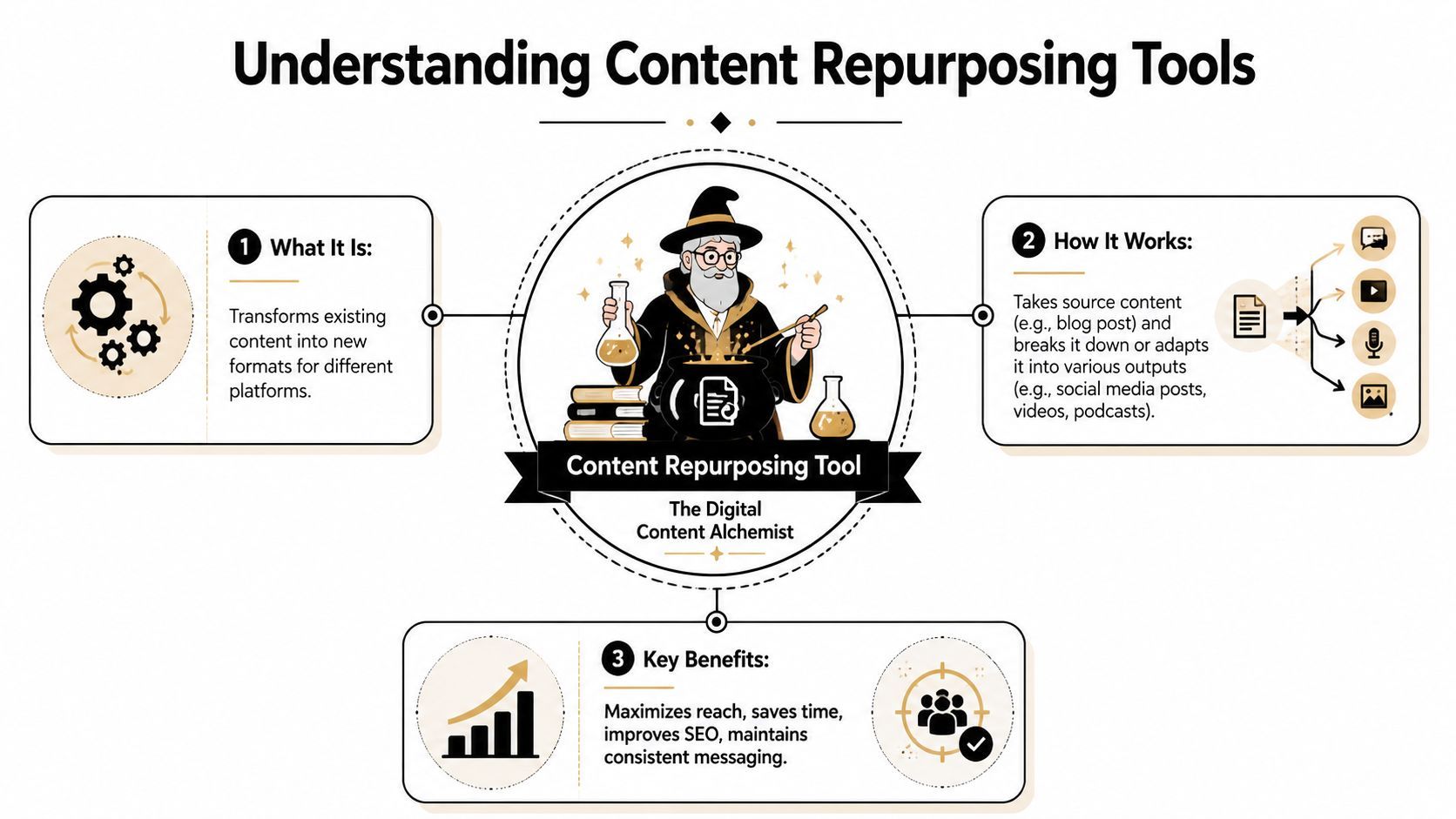
Content repurposing tool کو content kitchen کے طور پر سب سے آسان سمجھا جا سکتا ہے۔
آپ کا source asset main ingredient ہے۔ یہ webinar، podcast recording، white paper، blog post، یا customer case study ہو سکتا ہے۔ Tool کا کام اس ingredient کو مختلف channels کے لیے multiple finished dishes میں تیار کرنے میں مدد کرنا ہے۔ ایک source short clips، quote cards، article drafts، email copy، social posts، اور مزید بن جاتا ہے۔
The shift from publishing to atomization
اہم concept atomization ہے۔ Content piece کو ایک finished object کی بجائے tool اسے smaller usable parts میں توڑ دیتا ہے۔ Webinar میں یہ parts key takeaways، emotional beats، memorable lines، practical examples، یا objection-handling moments ہو سکتے ہیں۔ Blog post میں یہ frameworks، stats، examples، یا step-by-step sections ہو سکتے ہیں۔
یہ workflow کو linear سے modular میں بدل دیتا ہے۔ آپ اب create، publish، اور forget نہیں کرتے۔ آپ create، extract، adapt، اور redistribute کرتے ہیں۔
2026 roundup جو Intentsify's content repurposing strategies article میں cite کیا گیا ہے اس میں بتایا گیا ہے کہ 94% marketers پہلے سے ہی content کو مختلف mediums اور channels میں repurpose کرتے ہیں، Referral Rock کی 48 marketers کی survey کی بنیاد پر۔ یہ اہم ہے کیونکہ یہ دکھاتا ہے کہ repurposing اب niche creator hack نہیں رہا۔ یہ mainstream marketing operations کا حصہ ہے۔
What a tool actually does
Practical level پر، content repurposing tool عام طور پر تین چیزوں میں مدد کرتا ہے:
- Ingesting source material تاکہ آپ ہاتھ سے سب کچھ copy-paste نہ کریں۔
- Identifying useful atoms جیسے clips، quotes، sections، hooks، یا summaries۔
- Rebuilding those atoms channel-specific outputs میں جو ہر platform کے format اور cadence سے match کریں۔
Practical rule: If a tool only helps you rewrite text, it's useful. If it helps you ingest, extract, adapt, and publish, it's operational.
سب سے strong tools صرف وقت نہیں بچاتے۔ وہ teams کو content کو مختلف طور پر دیکھنا سکھاتے ہیں۔ ایک single asset one-time deliverable نہیں رہتا بلکہ source library کی طرح کام کرنے لگتا ہے۔
Core Capabilities That Define a Great Tool
ایک weak tool paraphrased output اور extra cleanup work دیتا ہے۔ ایک strong tool ہر stage پر friction کم کرتا ہے، source material تلاش کرنے سے لے کر multiple channels کے لیے finished assets package کرنے تک۔
Ingestion matters more than most teams think
پہلا test simple ہے۔ کیا tool آپ کی team کے produce کیے جانے والے content کی قسمیں accept کر سکتا ہے؟
اگر آپ کا workflow articles، reports، decks، اور white papers سے شروع ہوتا ہے تو آپ کو URL اور PDF ingestion کی ضرورت ہے۔ اگر آپ podcasts، interviews، webinars، یا training sessions publish کرتے ہیں تو audio اور video ingestion usable transcripts کے ساتھ۔ اگر tool آپ کو source material manually reassemble کرنے پر مجبور کرے تو آپ پہلے ہی وقت گنوان رہے ہیں۔
Jasper's repurposing content guide میں cite کیے گئے technical benchmarks بتاتے ہیں کہ URL اور PDF ingestion tool کی text-based assets کو videos، infographics، اور social posts جیسے formats میں transform کرنے کی صلاحیت کو نمایاں طور پر بہتر بناتے ہیں۔ وہی guidance کہتی ہے کہ atomization استعمال کرنے والے tools summaries کرنے والے tools سے 20 to 25% higher engagement حاصل کرتے ہیں۔
یہ gap practice میں سمجھ میں آتا ہے۔ Summaries asset کو flatten کر دیتی ہیں۔ Atomization وہ parts extract کرتی ہے جو اکیلے کھڑے ہو سکیں۔
Analysis is where the real value shows up
جب source system کے اندر ہو جائے تو tool کو صرف condense کرنے سے زیادہ کرنا پڑتا ہے۔ اسے structure recognize کرنا چاہیے۔
Video کے لیے، اس کا مطلب tension، clarity، novelty، یا emotional lift والے moments identify کرنا ہے۔ Text کے لیے، frameworks، quotable passages، instructional sequences، اور standalone posts یا scripts بننے والی ideas spot کرنا ہے۔
ایسے tools تلاش کریں جو یہ کر سکیں:
- Find high-signal moments long-form video سے بجائے اسے equal sections میں chop کرنے کے۔
- Pull usable claims and frameworks text سے بغیر meaning strip کیے۔
- Group related ideas تاکہ ایک asset campaign support کر سکے، نہ کہ صرف single post۔
- Preserve context تاکہ repurposed piece اکیلا coherent لگے۔
Output flexibility separates helpers from platforms
آخری capability transformation ہے۔ Useful content repurposing tool extraction پر رکتا نہیں۔ یہ outputs کو platform fit forms میں rebuild کرنے میں مدد کرتا ہے۔
یہاں practical comparison ہے:
| Capability | Basic tool | Strong tool |
|---|---|---|
| Source intake | Manual paste | URL, PDF, audio, video |
| Processing | Summary | Atom extraction and restructuring |
| Outputs | One or two text variations | Clips, scripts, posts, visuals, captions |
| Formatting | Minimal | Platform-native sizing and packaging |
| Workflow fit | Standalone | Supports review, branding, and distribution |
بہت سی teams generation کو overvalue کرتی ہیں اور packaging کو undervalue۔ لیکن packaging وہیں production سست ہو جاتی ہے۔ Captions، aspect ratios، brand consistency، thumbnails، اور export formats جلدی bottlenecks بنا دیتے ہیں۔
If your editors still need to do all the resizing, re-captioning, and formatting by hand, the tool isn't really solving the production problem.
How to Evaluate and Choose the Right Tool
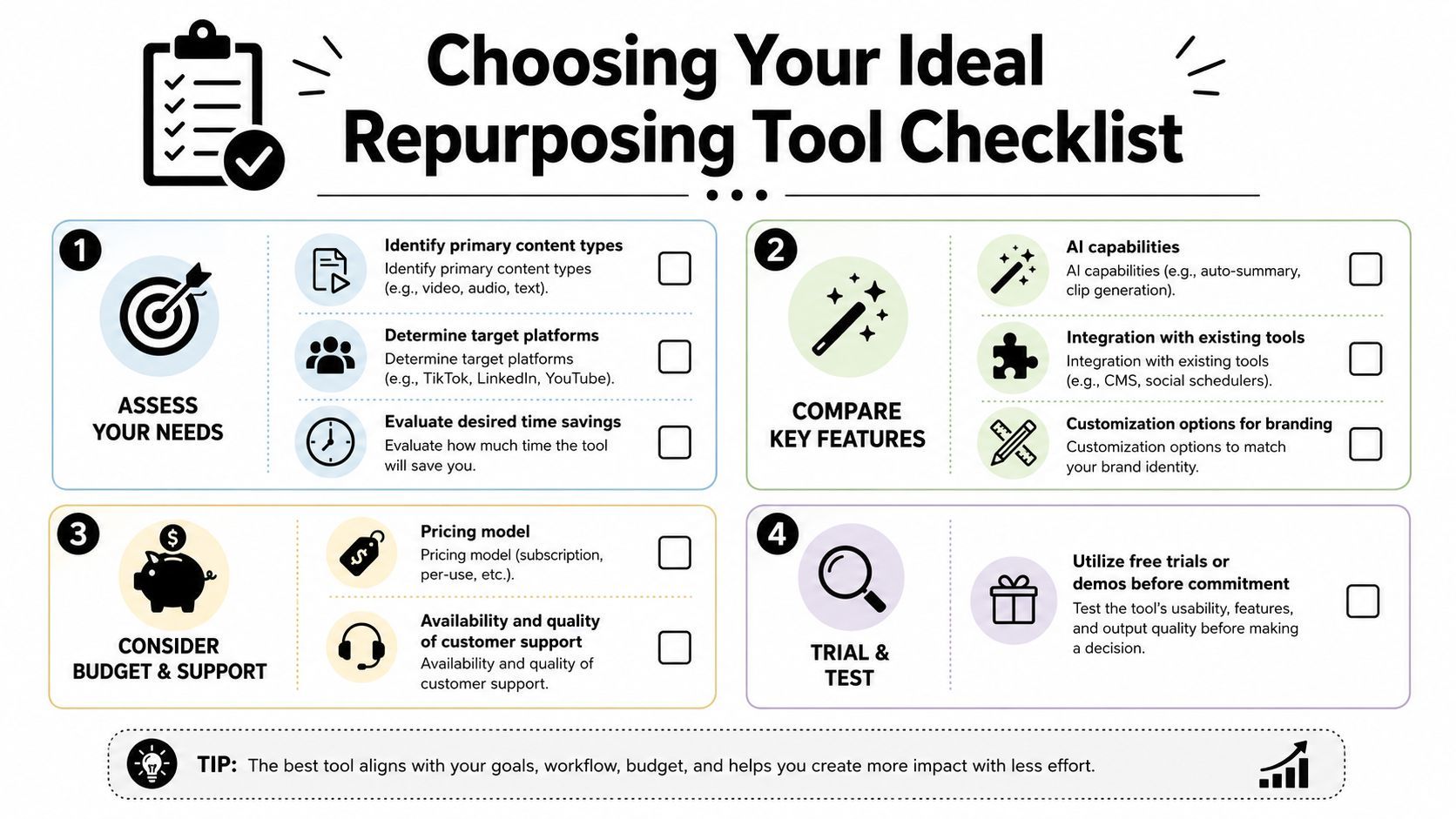
زیادہ تر buyers tools کو feature list سے compare کرتے ہیں۔ یہ کافی نہیں۔ بہتر سوال ہے: آپ کا current workflow کہاں ٹوٹتا ہے؟
کچھ teams کے پاس source material کی کمی نہیں لیکن usable outputs میں تبدیل کرنے میں تیز نہیں۔ دوسرے output generate کر سکتے ہیں لیکن brand standards tight نہیں رکھ سکتے۔ Large teams کا مسئلہ زیادہ basic ہوتا ہے۔ انہیں صحیح source assets بھی نہیں ملتے کیونکہ content drives، decks، transcripts، emails، اور old webinars میں scattered ہوتا ہے۔
Start with the bottleneck, not the demo
Polished product demo operational weaknesses چھپا سکتا ہے۔ Vendors evaluate کرنے سے پہلے ان سوالوں کے جواب internally دیں:
- What is your source format mix? Video-first teams کو blog-first teams سے مختلف tooling چاہیے۔
- Where does work currently stall? Sourcing، clipping، writing، approvals، design، یا scheduling پر؟
- Who owns the process? Solo creator زیادہ manual review برداشت کر سکتا ہے distributed content team سے۔
- What has to stay on-brand? Captions، templates، tone، intros، CTAs، اور visual identity کو مختلف controls چاہییں۔
- What does success look like? Faster production، broader distribution، less editorial drift، یا cleaner analytics؟
Don't ignore governance and discoverability
یہ حصہ زیادہ تر tool roundups skip کر دیتے ہیں۔
Coverage عام طور پر platform کی create کرنے کی صلاحیت پر focus کرتی ہے۔ Harder operational issue یہ ہے کہ teams repurposing کے لیے صحیح material پہلے کیسے تلاش کریں۔ Dropbox Dash's discussion of AI content repurposing tools اس governance اور discoverability gap کو highlight کرتی ہے، یہ argue کرتے ہوئے کہ best repurposing stack search-and-organization layer سے شروع ہو سکتا ہے، پھر AI generation add کریں۔
یہ agencies اور in-house teams کے لیے خاص طور پر درست ہے جن کے پاس years کے scattered assets ہیں۔ اگر آپ کا best webinar old folder میں دفن ہے، یا strongest founder interview untagged transcript میں ہے تو excellent generator زیادہ مدد نہیں کرے گا۔
The wrong stack creates content from whatever is easy to access. The right stack creates content from whatever is worth reusing.
A practical evaluation checklist
کوئی بھی content repurposing tool compare کرتے وقت یہ استعمال کریں:
- Input coverage: کیا یہ آپ کے publish کیے جانے والے formats handle کر سکتا ہے، نہ کہ جو آپ wish کرتے ہیں؟
- Extraction quality: کیا یہ meaningful moments identify کرتا ہے، یا generic fragments produce کرتا ہے؟
- Brand controls: کیا آپ voice rules، visual templates، captions، اور recurring series elements apply کر سکتے ہیں؟
- Workflow fit: کیا یہ reviews، approvals، exports، اور publishing کو team maintain کر سکے ایسے support کرتا ہے؟
- Discovery support: کیا آپ old assets locate، tag، اور reusable content library بنا سکتے ہیں؟
- Measurement: کیا آپ repurposed outputs کو source assets اور channels کے مقابلے میں useful طریقے سے compare کر سکتے ہیں؟
Best choice longest feature page والا tool نہیں ہے۔ یہ وہ ہے جو آپ کا most expensive bottleneck دور کرے۔
From Blog to Viral Clips The Repurposing Workflow in Action
سوموار کی صبح، team کو LinkedIn، Instagram، اور YouTube Shorts کے لیے clips چاہییں۔ پچھلے ہفتے کا webinar raw material رکھتا ہے، لیکن کوئی آدھا دن footage scrub کرنے، variants cut کرنے، captions لکھنے، اور formats one by one export کرنے میں نہیں گزارنا چاہتا۔ یہی وہ نقطہ ہے جہاں repurposing system بنتا ہے یا good intention رہ جاتا ہے۔
Working setup economics بدل دیتا ہے۔ ایک strong source asset single pass میں multiple usable outputs produce کر سکتا ہے، لیکن صرف اگر team صحیح moments تلاش کر سکے، انہیں ہر channel کے لیے package کرے، اور measure کرے کہ derivative content original سے reach یا engagement میں بہتر ہے یا نہیں۔ Tool comparisons میں یہ operational piece miss ہو جاتا ہے۔
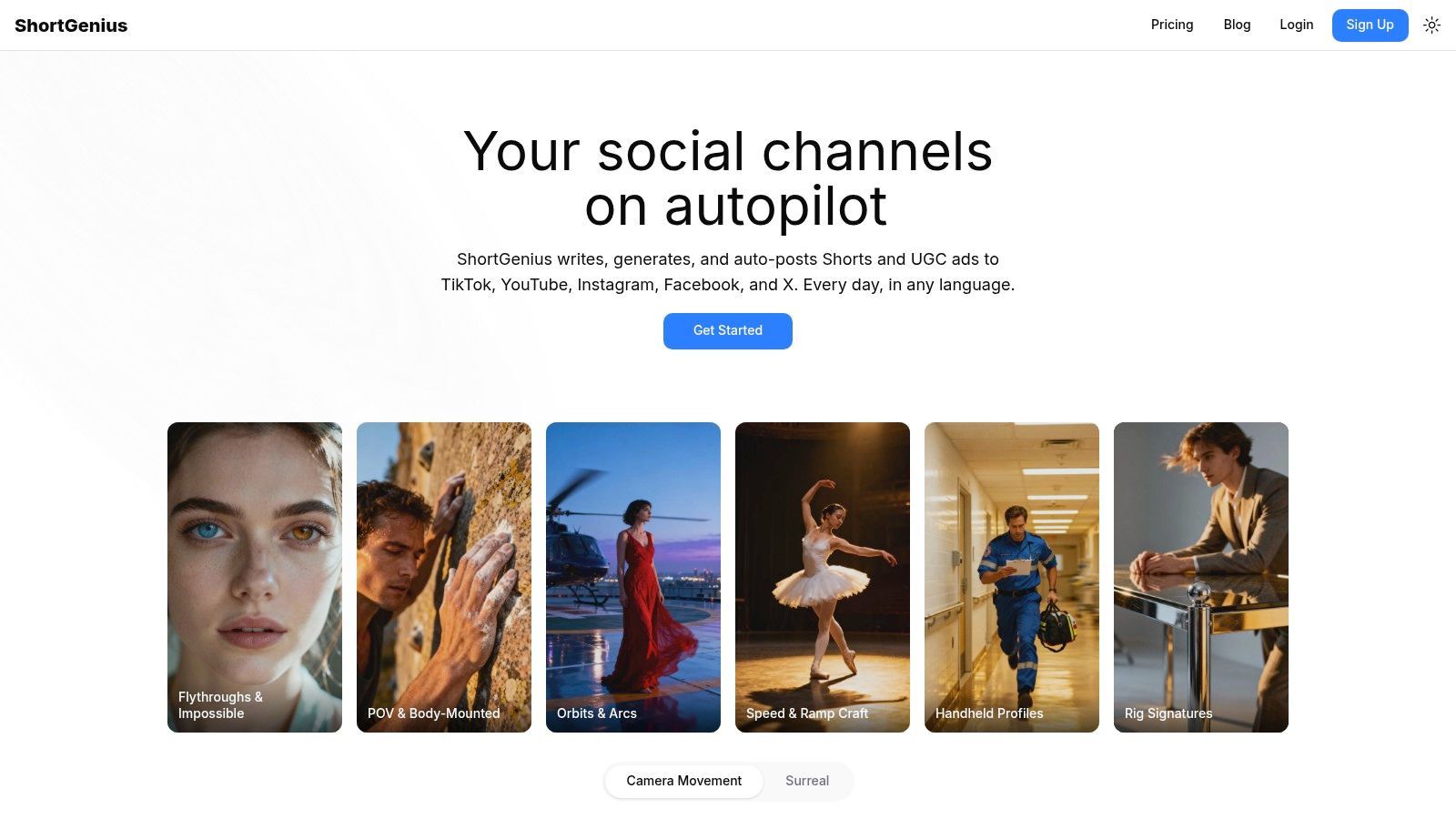
ایک tool جیسے ShortGenius for AI video repurposing and publishing clipping، editing، formatting، اور distribution کو ایک environment میں لانے کے لیے design کیا گیا ہے، جو کسی single feature سے زیادہ اہم ہے۔
Step one is choosing the right source asset
Workflow editing سے پہلے شروع ہوتا ہے۔
ایک recorded webinar لیں۔ اس میں تین یا چار moments ہو سکتے ہیں جو distribute کرنے لائق ہوں: common problem کی clear explanation، strong objection-handling answer، practical example، اور closing CTA جو promotional clip بن سکے۔ اگر یہ moments 45 منٹ کے rambling setup، weak audio، یا slide-dependent context میں دفن ہوں تو output محدود رہے گا چاہے کوئی tool استعمال کریں۔
یہی وجہ ہے کہ good repurposing asset selection اور moment extraction سے شروع ہوتا ہے۔ Editors کو promising segments review کرنے چاہییں، نہ کہ timelines میں blindly search کرنے۔
جیسا پہلے نوٹ کیا، strong tools likely highlights automatically surface کر سکتے ہیں۔ Practical benefit speed ہے، لیکن strategic benefit consistency ہے۔ Teams ranked moments کو ہر بار same standard سے review کر سکتی ہیں: standalone clarity، strong opening، useful takeaway، اور channel fit۔
Step two is packaging for each channel
جب usable clips identify ہو جائیں تو کام packaging decision بن جاتا ہے نہ کہ scavenger hunt۔
Practical sequence ایسا لگتا ہے:
- Review suggested moments اور extra explanation کے بغیر sense بننے والے keep کریں۔
- Trim the opening تاکہ پہلے seconds attention earn کریں۔
- Add captions and visual identity تاکہ clip readable اور on-brand ہو۔
- Format by channel vertical، square، یا widescreen کے لیے۔
- Write channel-specific copy ہر جگہ same caption post کرنے کی بجائے۔
- Publish and track performance original asset اور platform wise۔
اگر آپ long-form video یا interviews بھی publish کرتے ہیں تو repurpose your video podcast same logic سے مددگار ہے۔ ہر episode کو content library سمجھیں۔ ایک recording clips، quote posts، email copy، article sections، اور paid creative tests support کر سکتا ہے جب source material well organized ہو۔
ایک short product walkthrough workflow کو concrete بنا سکتا ہے:
What works and what breaks
Best results عام طور پر clear structure والے source material سے آتے ہیں۔ Educational webinars، specific answers والے customer interviews، opinionated commentary، اور real tension والے Q&A sessions ایسے clips produce کرتے ہیں جو اکیلے stand up کریں۔
Messy inputs messy outputs بناتے ہیں۔ میں بار بار same failure points دیکھتا ہوں: vague talking points، long intros، poor audio، اور excerpts جو slides دیکھے بغیر sense نہ بنیں۔ AI selection اور editing تیز کرتا ہے۔ یہ وہ substance نہیں دیتا جو کبھی تھی ہی نہیں۔
Formats جو عام طور پر well repurpose ہوتے ہیں:
- Evergreen explanations recurring customer questions سے tied
- Clear points of view جو contrast یا debate create کریں
- Short teaching segments ایک idea per clip
- Answers with a strong first sentence جو feed میں اکیلے stand up کریں
Formats جو عام طور پر underperform کرتے ہیں:
- Context-heavy excerpts جو زیادہ setup چاہیں
- Generic advice جو polished لگے لیکن little کہے
- Clips pushed to every platform unchanged
- Outputs published without review or performance tracking
Repurposing best کام کرتا ہے جب team دو چیزیں جانتی ہو: best source assets کہاں ہیں، اور کون سے derivative formats returns produce کرتے ہیں۔ اس کے بغیر workflow busy رہتا ہے لیکن justify کرنا مشکل۔
Integrating a Repurposing Tool into Your Workflow
Software خریدنے سے repurposing system نہیں بنتا۔ Teams کو اس کے ارد گرد repeatable operating model چاہیے۔

Audit the content you already own
اپنے archive سے شروع کریں۔ Old webinars، blog posts، case studies، newsletters، podcast episodes، decks، اور training sessions اکٹھے کریں۔ پھر انہیں recency کی بجائے usefulness سے sort کریں۔
Evergreen، opinionated، یا پہلے سے resonate کرنے والے assets تلاش کریں۔ Digital Applied's repurposing guide میں summarized independent practitioner guidance کہتی ہے کہ ایک strong source asset 10+ formats بن سکتا ہے، اور systematic repurposing distribution reach کو 3 to 5x بڑھا سکتا ہے۔ Important point maximum output count نہیں ہے۔ یہ ad hoc editing سے structured pipeline کی operational shift ہے۔
Build a cadence, not a rescue plan
Repurposing best کام کرتا ہے جب source asset create ہونے کے moment پر planned ہو۔
ایک simple team cadence ایسا ہو سکتا ہے:
- Source owner: Week یا month کا pillar asset identify کرے۔
- Repurposing operator: Clips، posts، اور derivative formats extract کرے۔
- Editor or strategist: Clarity، brand fit، اور duplication risk review کرے۔
- Publisher: Channel wise schedule اور track کرے۔
یہ setup common failure mode روکتا ہے جہاں repurposing leftover task بن جائے جس کا کوئی owner نہ ہو۔
Measure more than output volume
ایک team زیادہ publish کر سکتی ہے اور پھر بھی nothing learn نہ کرے۔
Track کریں کہ repurposed content نئے formats یا channels میں reach بڑھاتا ہے، certain source assets consistently stronger derivatives produce کرتے ہیں، اور effort blank-page creation کا lost time کم کرتا ہے۔ Public guidance میں incremental lift اور audience fatigue کے open questions ہیں، لہٰذا teams کو اپنا measurement discipline چاہیے۔
Practical dashboard میں شامل ہونا چاہیے:
- Source-to-output mapping: کون سا pillar asset کون سے posts، clips، یا emails generate کرتا ہے۔
- Channel response: کون سے formats LinkedIn، Shorts، Reels، یا email پر کام کرتے ہیں۔
- Reuse quality: کون سے assets وقت کے ساتھ usable material produce کرتے رہتے ہیں۔
- Editorial efficiency: کیا process manual production bottlenecks کم کرتا ہے۔
The mature workflow doesn't ask, "How much did we publish?" It asks, "Which source assets keep paying us back?"
The Future Is Efficient Content Creation
اہم change یہ نہیں کہ AI زیادہ assets بنا سکتا ہے۔ یہ ہے کہ teams بالآخر content کو isolated campaigns کی sequence کی بجائے system کی طرح organize کر سکتے ہیں۔
یہ social media سے آگے matter کرتا ہے۔ Same mindset adjacent workflows میں نظر آتا ہے۔ Report کو short videos میں تبدیل کرنے والی team author کی launch materials میں concepts reuse کرنے یا publisher کی book cover design tools استعمال کرنے جیسا production problem solve کر رہی ہے۔ Different output، same principle۔ Strong source سے شروع کریں، پھر intelligently adapt کریں۔
Content repurposing tool اپنی جگہ deserve کرتا ہے جب یہ one-off production سے نجات دلائے۔ Strongest setups source discovery آسان، extraction تیز، formatting light، اور review consistent بناتے ہیں۔ وہ strategy remove نہیں کرتے۔ وہ strategy کو operate کرنے کی جگہ دیتے ہیں۔
Creators، marketers، اور agencies کے لیے sustainable model clear ہے۔ Fewer blank pages۔ Existing work کا better use۔ Already worth making ثابت assets سے more channel-native output۔
اگر آپ ایسا system بنانا چاہتے ہیں تو ShortGenius (AI Video / AI Ad Generator) teams کے لیے explore کرنے لائق ہے جو scripting، video creation، editing، resizing، captions، brand kits، اور multi-channel scheduling کے لیے ایک workflow چاہتے ہیں۔ یہ best fit کرتا ہے جب repurposing engine long-form ideas کو short-form video اور ad assets کی steady stream میں تبدیل کرنے پر depend کرے separate tools stitch کیے بغیر۔