اپنا AI اسکرپٹ رائٹنگ ٹول منتخب کریں: 2026 گائیڈ

AI اسکرپٹ رائٹنگ ٹول سے کنٹینٹ کی تخلیق کو تبدیل کریں۔ یہ گائیڈ ٹیکنالوجی کی وضاحت کرتی ہے، عملی مثالیں دیتی ہے، اور آپ کو صحیح ٹول منتخب کرنے میں مدد کرتی ہے۔
آپ نے حال ہی میں یہ ضرور کیا ہوگا۔ آپ ایک خالی دستاویز کھولتے ہیں، اسے “next video script” جیسا امید افزا نام دیتے ہیں، ایک خام آئیڈیا ٹائپ کرتے ہیں، پھر رک جاتے ہیں۔ آپ کو ٹاپک معلوم ہے۔ آپ یہ بھی جانتے ہیں کہ آپ کیا پوائنٹ بنانا چاہتے ہیں۔ لیکن اسے ہک، صاف سٹرکچر، اور لائنز میں تبدیل کرنا جو آپ کی آواز جیسے لگیں، یہیں سے رکاوٹ شروع ہوتی ہے۔
ایک AI script writing tool وہاں مدد کر سکتا ہے، لیکن زیادہ تر سیلز پیجز جو وعدہ کرتے ہیں اس طرح نہیں۔ یہ کوئی جادوئی ریڈ بٹن نہیں جو آپ کافی بناتے ہوئے پبلش ریڈی سکرپٹ نکال دے۔ یہ ایک تیز، تھکن نہ جانے والے ساتھی کی طرح ہے جو آپ کو ان سٹک ہونے سے نکالتا ہے، اینگلز ٹیسٹ کرتا ہے، اور آپ کی آواز کھوئے بغیر مضبوط ڈرافٹ بناتا ہے۔
میں نے مختصر ویڈیوز، پوڈکاسٹس، اور ایڈ کانسیپٹس کے لیے اپنے سکرپٹنگ پروسیس میں AI کو شامل کر لیا ہے۔ فائدہ “پورا سکرپٹ” مانگنے اور اسے کاپی کرنے سے نہیں ملا۔ فائدہ صحیح لمحات میں AI استعمال کرنے سے ملا: آئیڈیا شیپنگ، آؤٹ لائن پریشر ٹیسٹنگ، سین بائی سین ڈرافٹنگ، اور ریویژن۔ یہ فرق ہے جنرک آؤٹ پٹ اور کچھ فلمیٹ کرنے لائق کے درمیان۔
The End of the Blank Page
خالی صفحہ میرا ورک فلو کا سب سے سست حصہ استعمال ہوتا تھا۔
فلمیٹنگ نہیں۔ ایڈیٹنگ نہیں۔ ابتدائی دس لائنز۔
میرے پاس اچھا کنٹینٹ آئیڈیا ہوتا، شاید پروڈکٹ اینگل یا ٹیچنگ پوائنٹ، لیکن صحیح انٹری تلاش کرنے میں بہت وقت ضائع ہوتا۔ ویڈیو کو مسئلے سے شروع کرنا چاہیے؟ کہانی سے؟ کنٹریرین ٹیک سے؟ ہک ملنے تک مومینٹم ختم ہو چکا ہوتا۔
ایک AI script writing tool نے سب سے پہلے اس حصے کو تبدیل کیا۔ میرے سوچنے کی جگہ لے کر نہیں، بلکہ اسے تیزی سے بیرونی شکل دینے میں مدد کرکے۔ میں خام خیال ڈال سکتا تھا جیسے “میں 45 سیکنڈ کی ویڈیو چاہتا ہوں کہ کیوں vague prompts کمزور سکرپٹس بناتے ہیں” اور فوراً چند ممکنہ سٹرکچرز مل جاتے جن پر ری ایکٹ کر سکتا۔ یہ ری ایکشن سٹیپ اہم ہے۔ کچھ بہتر بنانا کچھ بھی نہ بنانے سے آسان ہے۔
Why creators are adopting these tools
یہ اب نچ ہابی نہیں رہا۔ گلوبل screen and script writing software market USD 0.71 billion تک 2035 تک پہنچنے کی توقع ہے، 2026 میں USD 0.22 billion سے، 2026 سے 2035 تک 13.63% CAGR کے ساتھ، Business Research Insights on the screen and script writing software market کے مطابق۔
یہ پروجیکشن کچھ مفید بتاتی ہے۔ کریئٹرز، سٹوڈیوز، اور ٹیمز AI-assisted writing کے بارے میں صرف متجسس نہیں۔ وہ اسے حقیقی ورک فلو میں شامل کر رہے ہیں۔
Practical rule: AI کو پہلے friction ہٹانے کے لیے استعمال کریں، judgment کی جگہ لینے کے لیے نہیں۔
سب سے مضبوط استعمال کا کیس “پورا لکھ دو” نہیں۔ یہ “مجھے workable draft تیزی سے پہنچانے میں مدد کرو” ہے۔
What changed in my process
جب میں نے AI کو author کی بجائے drafting partner سمجھنا شروع کیا، سکرپٹنگ ہموار ہو گئی:
- Idea shaping: یہ بکھرے خیالات کو استعمال ہونے لائق اینگل میں بدلتا ہے۔
- Structure building: یہ beats، سیکشنز، اور سین آرڈر تجویز کر سکتا ہے۔
- Variation generation: یہ الٹرنیٹ ہکس، CTAs، اور rewrites تیزی سے دیتا ہے۔
- Momentum: جب میں نارمل طور پر رک جاتا، یہ مجھے چلتا رکھتا ہے۔
آخری حصہ underestimated ہے۔ بہت سے کریئٹرز کو creativity کا مسئلہ نہیں۔ ان کا throughput کا مسئلہ ہے۔ انہیں آئیڈیا سے recordable script تک جانا ہے بغیر آدھی دن sentence one سے لڑے۔
ایک AI script writing tool کو اپنے ذوق پر speed layer سمجھیں۔ اگر آپ کے instincts مضبوط ہیں تو یہ آپ کو تیز کرتا ہے۔ اگر instincts کمزور ہیں تو مدد کرتا ہے، لیکن آپ کو بہت edit کرنا پڑے گا۔
How an AI Script Writing Tool Actually Works
ایک AI script writing tool کو سمجھنے کا سب سے آسان طریقہ یہ ہے: اسے hyper-literate intern سمجھیں۔
اس نے بہت سارا ٹیکسٹ پڑھا ہے۔ یہ language، structure، اور tone میں patterns پہچانتا ہے۔ یہ surprisingly polished کچھ پیدا کر سکتا ہے۔ لیکن یہ آپ کی audience کو آپ جتنا نہیں جانتا، اور آپ واضح نہ بتائیں تو script میں کیا اہم ہونا چاہیے یہ خود نہیں جانتا۔
The simple version of the tech
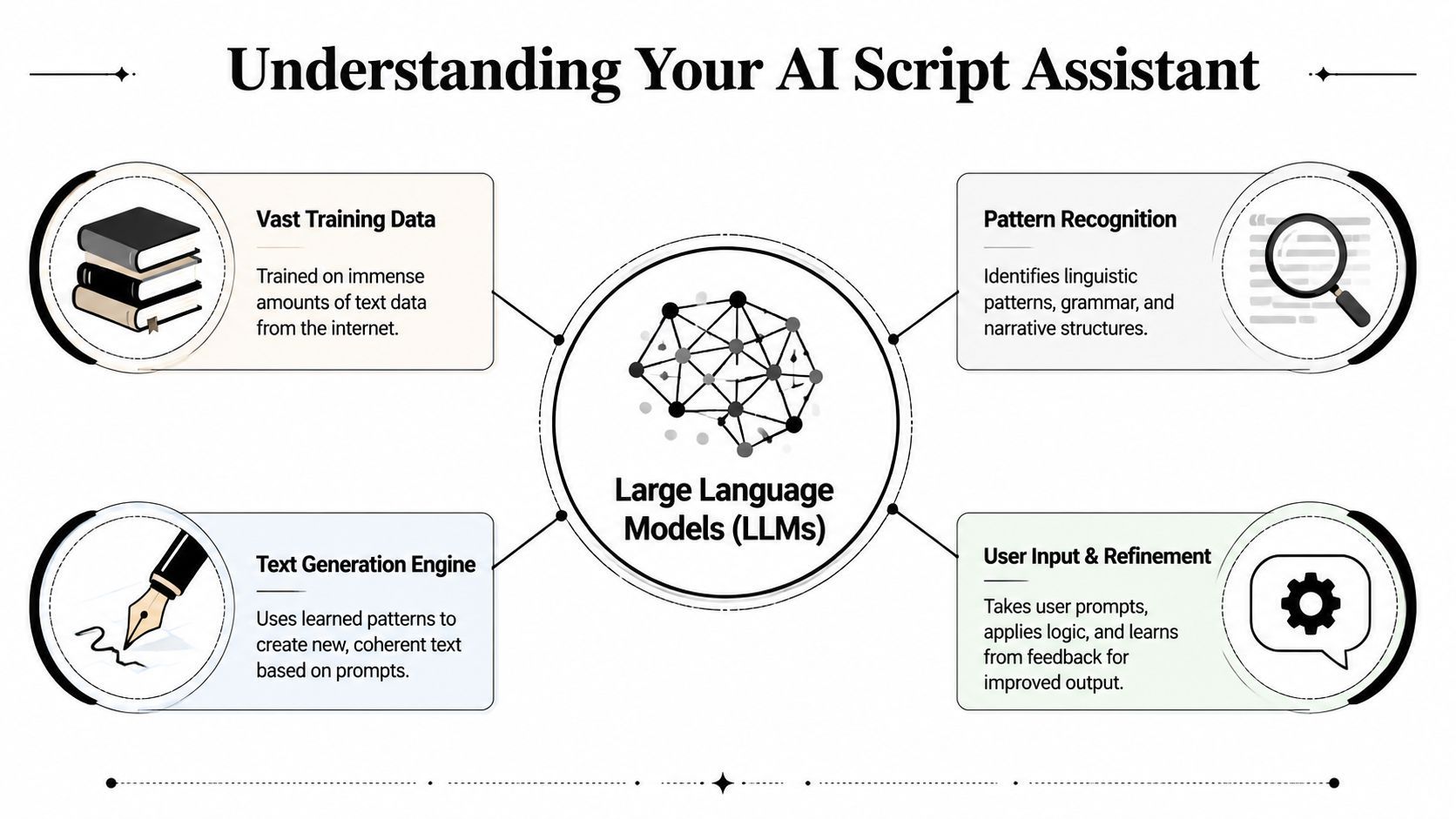
زیادہ تر ٹولز کے مرکز میں large language model یا LLM ہے۔ عملی طور پر، یہ سسٹم آپ کے prompt اور ٹریننگ میں سیکھے patterns کی بنیاد پر اگلا ٹیکسٹ predict کرتا ہے۔
یہی وجہ ہے کہ prompt quality اتنی اہم ہے۔
اگر آپ ٹائپ کریں: “Write me a TikTok script about productivity”
تو عام طور پر bland، all-purpose نتیجہ ملے گا۔
اگر آپ ٹائپ کریں: “Write a 30-second TikTok script for busy freelancers. Start with a frustration-based hook, use three quick scene beats, keep each line short enough to read aloud naturally, and end with a direct CTA”
تو آپ نے model کو فالو کرنے کو shape دے دی۔
General models versus script-focused tools
کچھ ٹولز broad assistants ہیں۔ دوسرے ان models کو script templates، scene controls، formatting helpers، اور production features میں لپیٹتے ہیں۔
یہ فرق اہم ہے کیونکہ آپ اکثر دو layers کے درمیان انتخاب کرتے ہیں:
- Base model strength: underlying AI کتنا اچھا reason، write، اور coherent رہتا ہے
- Workflow layer: ٹول کتنا آسانی سے prompt، revise، export، اور production میں script integrate کرنے میں مدد کرتا ہے
2026 میں، Claude long-context document handling اور tone consistency میں AI scriptwriting tools میں لید کرتا ہے، جبکہ ChatGPT screenplays، YouTube scripts، اور ad copy میں breadth of use میں غالب ہے، Presenc.ai research on the best AI script writing tools for creators in 2026 کے مطابق۔ وہی ریسرچ نوٹ کرتی ہے کہ Claude up to 200K tokens سپورٹ کرتا ہے، جو longer scripts میں narrative coherence اور voice consistency رکھنے میں مدد دیتا ہے۔
یہ practical takeaway ہے۔ اگر آپ full-length screenplay یا long branded narrative ڈرافٹ کر رہے ہیں تو long context اہم ہے۔ اگر آپ ایک ہفتے میں many formats کر رہے ہیں تو broad-use model زیادہ flexible لگتا ہے۔
ایک بہتر prompt صرف wording نہیں بہتر کرتا۔ یہ structure، pacing، اور model کی توجہ بہتر کرتا ہے۔
What this means for creators
آپ کو machine learning expert بننے کی ضرورت نہیں۔ بس model اچھا کیا کرتا ہے اور کہاں drift ہوتا ہے یہ سمجھیں۔
AI کو استعمال کریں:
- brainstorming angles
- outlining scenes
- rewriting for clarity
- generating alternate hooks
- summarizing research into talking points
AI استعمال کرتے ہوئے محتاط رہیں:
- facts that need verification
- emotionally specific storytelling
- nuanced humor
- dialogue that needs subtext
- final voice polish
اگر آپ audio content بھی بناتے ہیں تو AI podcast script generator کا یہ گائیڈ practical companion ہے، جو بتاتا ہے کہ spoken content کے لیے مختلف format میں بھی same prompt discipline लागو ہوتی ہے۔
core idea سادہ ہے۔ AI آپ کا script انسانی ساتھی کی طرح “گھول” نہیں۔ یہ patterns فالو کرتا ہے۔ جتنا clear pattern آپ مانگیں گے، اتنا بہتر draft ملے گا۔
Core Features and What to Look For
سکرپٹ ٹول پہلے ڈرافٹ کے بعد اپنا keep کماتا ہے۔
ٹیسٹ ہوتا ہے جب آپ Shorts کے لیے ہک reshape کریں، voiceover کو 30 سیکنڈ میں فٹ کریں، یا ایک آئیڈیا کو تین platform-specific versions میں بدلیں بغیر point کھوئے۔ یہی وجہ ہے کہ میں AI script writing tool کو prettiest sample output سے نہیں جانچتا۔ میں اسے actual production workflow میں writing partner کے طور پر جانچتا ہوں۔
Features that matter more than marketing copy
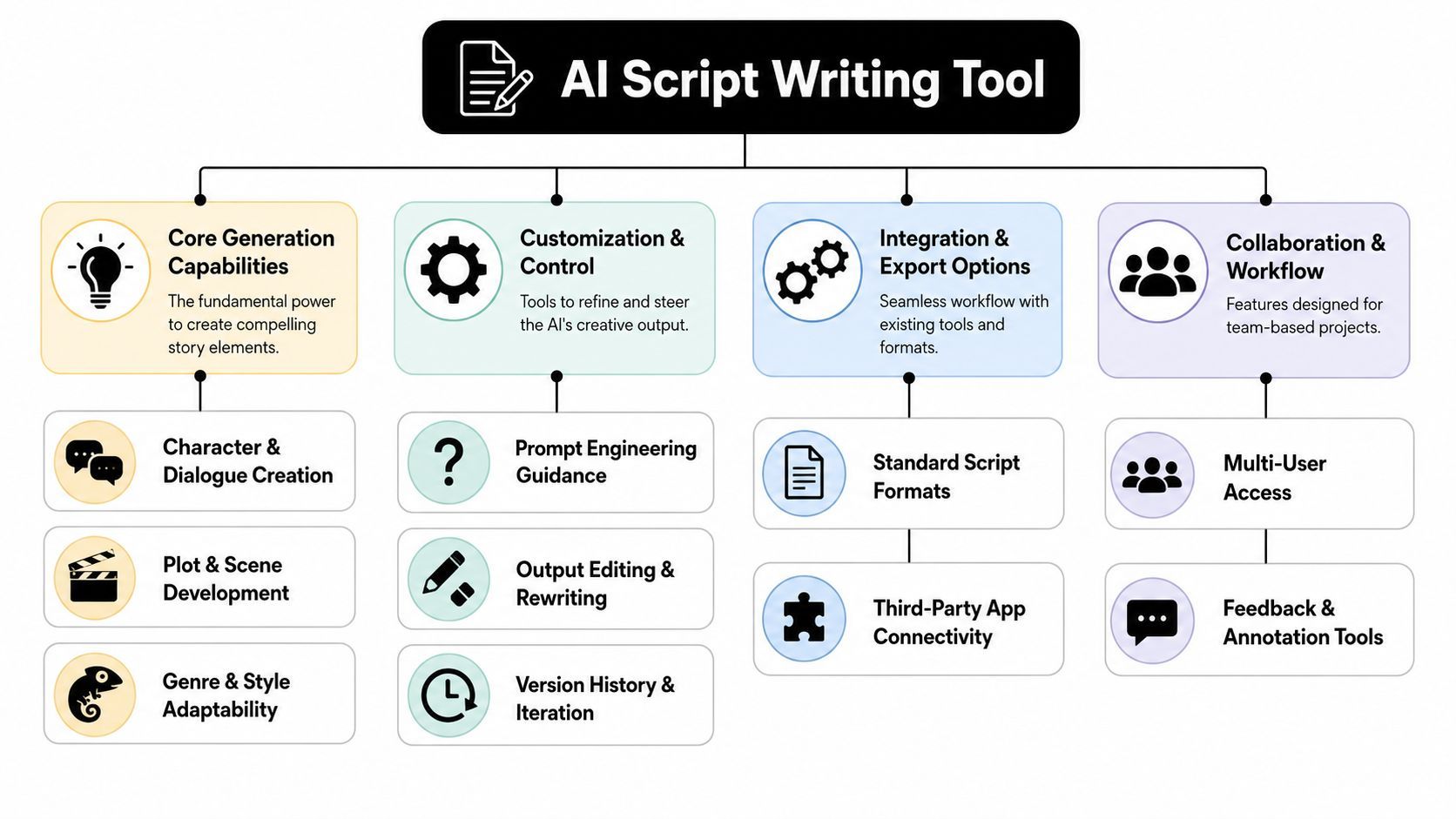
اچھا ٹول steer کرنے میں مدد کرے، صرف generate نہ کرے۔
میں پہلے پانچ چیزیں دیکھتا ہوں:
- Format control: کیا یہ آپ کے specify کردہ structure کو hold کر سکتا ہے، جیسے 6-beat TikTok script، YouTube talking-head outline، یا brand ad with clear CTA؟
- Voice consistency: کئی revisions کے بعد کیا یہ آپ کی phrasing اور audience level کے قریب رہتا ہے؟
- Scene awareness: کیا یہ beats میں لکھ سکتا ہے جو shots، captions، اور edits سے map ہوں بجائے ایک block میں dump کرنے کے؟
- Spoken clarity: کیا لائنز aloud natural لگتی ہیں، sentence length اور rhythm real delivery کے فٹ؟
- Revision control: کیا آپ ایک section بدل سکتے ہیں بغیر باقی script کے tone drift یا repeat ہوئے؟
آخری پوائنٹ بہت سے کریئٹرز سے زیادہ اہم ہے۔ AI writing finished copywriter ہائر کرنے کی بجائے fast junior collaborator کے ساتھ کام کرنے جیسا ہے۔ یہ تیزی سے draft کر سکتا ہے، لیکن direction، checkpoints، اور cleanup چاہیے۔
What usually breaks in production
سکرپٹ read well کر سکتا ہے اور camera پر fail بھی۔
WritingBench benchmark repository language models کو style adherence، format compliance، اور length requirements میں real writing tasks پر examine کرتا ہے۔ کریئٹرز کے لیے useful takeaway سادہ ہے۔ Models اب بھی fully natural dialogue اور clean scene transitions میں struggle کرتے ہیں۔
آپ table read کرتے ہی problem سن سکتے ہیں۔
Common warning signs:
- lines جو ایک سانس میں بہت لمبی ہوں
- transitions جو next visual setup کیے بغیر jump کریں
- repeated phrasing جو script کو machine-written لگائے
- speaker voices جو blur ہو جائیں
- CTAs جو story میں built کی بجائے end میں attached لگیں
یہی وجہ ہے کہ feature lists misleading ہو سکتے ہیں۔ ٹول tone presets، templates، اور one-click rewrites دے سکتا ہے، لیکن اگر spoken delivery stiff ہے تو آپ کو script ہاتھ سے rebuild کرنا پڑے گا۔
Look for workflow fit, not isolated features
جو کریئٹرز often publish کرتے ہیں انہیں text box سے زیادہ چاہیے۔ انہیں system چاہیے جو rough concept سے usable production asset تک آئیڈیا carry کرے۔
یہیں integrated tools مدد کرتے ہیں۔ AI video scripting and production workflow tools جیسے platforms script drafting کو video creation، editing، اور publishing سے جوڑتے ہیں۔ یہ matter کرتا ہے جب bottleneck paragraph لکھنا نہیں۔ platform-specific script کو finished short میں لانا ہے بغیر five tools میں copy-paste کے۔
یہاں prompt control بھی matter کرتا ہے۔ اگر آپ model کو beat structure، tone، اور platform constraints reliably فالو کروانا چاہتے ہیں تو mastering AI prompting techniques study کریں اور prompts کو creative briefs سمجھیں، casual requests نہیں۔
ایک short visual explainer ان feature categories کو compare آسان بنا سکتا ہے:
A better checklist for picking tools
جب میں AI script writing tool ٹیسٹ کرتا ہوں تو normal content week کی situations سے گزارتا ہوں۔
| What to test | What good looks like |
|---|---|
| Hook generation | platform کے لیے shaped distinct angles پیدا کرے، same hook reworded نہیں |
| Beat structure | ideas کو scenes یا sections میں توڑے جو film اور edit آسان ہوں |
| Spoken delivery | aloud naturally پڑھے بغیر constant trimming کے |
| Rewrite precision | shorten، reframe، یا tone change کیے بغیر rest کو damage نہ کرے |
| Production handoff | workflow کے باقی حصے سے cleanly export یا connect کرے |
What to listen for: Script aloud پڑھیں۔ اگر sentence آپ کے منہ میں awkward لگے تو viewer کے کان میں بھی awkward لگے گا۔
یہ quick read-aloud test weak transitions، bloated wording، اور fake dialogue کو feature comparison page سے تیز پکڑتا ہے۔
The Art of the Prompt A Practical Workflow
AI script writing tool سے زیادہ تر disappointment ایک غلطی سے شروع ہوتی ہے۔ لوگ ایک vague prompt میں پورا script مانگتے ہیں۔
یہ almost ہمیشہ bloated، generic output بناتا ہے۔
AI script tools کے current guidance میں often “generate full draft” workflows push کیے جاتے ہیں، لیکن یہ short-form video کی structural work skip کر دیتے ہیں۔ ایک cited source نوٹ کرتا ہے کہ 78% AI-generated scripts YouTube Shorts اور TikTok کے platform-specific pacing standards fail کرتے ہیں کیونکہ users model کو scene by scene explicit hook اور CTA constraints کے ساتھ کام نہیں کرتے، AirMore's discussion of AI script generators کے مطابق۔
یہ میرے دیکھے ہوئے سے match کرتا ہے۔ AI useless ہونے کی وجہ سے fail نہیں کرتا۔ prompt بہت open چھوڑنے کی وجہ سے fail کرتا ہے۔
The workflow that actually works
میں three-part process استعمال کرتا ہوں۔
- Idea اور outline سے شروع کریں
- Script کو scene by scene build کریں
- Human polish pass کریں
ہر stage کا الگ job ہے۔ انہیں جلدی merge نہ کریں۔
Step one starts with constraints
wording مانگنے سے پہلے AI کو frame دیں۔
Useful inputs:
- platform
- target viewer
- video length
- hook style
- core message
- desired CTA
- tone
- visual format
مثال کے طور پر، TikTok ad script مانگنے کی بجائے پہلے beat map مانگیں۔
Bad approach: “Write a TikTok ad for my productivity app.”
Better approach: “Create a 5-scene beat outline for a short vertical video promoting a productivity app to overwhelmed freelancers. Scene 1 must open with a pain-point hook. Scene 5 must end with a direct CTA. Keep each scene visually simple enough for UGC-style filming.”
Then write the scenes one by one
Outline کام کر جائے تو ہر scene separately generate کریں۔ یہ pacing پر control دیتا ہے اور weak sections swap کرنے دیتا ہے بغیر whole thing توڑے۔
یہ contrast ہے:
| Vague Prompt (Ineffective) | Structured Prompt (Effective) |
|---|---|
| Write a TikTok script about my skincare brand | Write a 6-scene TikTok script for a skincare brand aimed at adults with a rushed morning routine. Scene 1 needs a pattern-interrupt hook. Scene 2 should show the problem. Scene 3 introduces the product in plain language. Scene 4 explains one practical benefit. Scene 5 adds a quick credibility cue without sounding corporate. Scene 6 ends with a soft CTA. Keep lines short and conversational. |
| Make a YouTube Shorts script about AI prompts | Write a 30-second YouTube Shorts script teaching one mistake people make with AI prompts. Use this structure: hook, bad example, corrected example, payoff, CTA. Keep every spoken line under a natural read-aloud length. |
| Give me a viral ad script | Draft three different hooks for a short-form ad. Audience is first-time founders. Tone should be direct and slightly skeptical. Do not write the full script yet. Only generate opening angles focused on wasted time, bad hires, and messy workflows. |
یہ content مانگنے اور collaborator direct کرنے کا فرق ہے۔
One good habit: پہلے “a script” نہ مانگیں۔ پہلے options، beats، اور constraints مانگیں۔
The human pass is where the script becomes yours
AI scene drafts دے تو aloud پڑھیں اور borrowed، padded، یا too smooth لگنے والی mark کریں۔
میں عام طور پر چار edits کرتا ہوں:
- lines shorten کریں
- abstract wording کو concrete language سے replace کریں
- ایک personal phrase جو میں کہوں گا add کریں
- hook یا CTA sharpen کریں
اگر یہ skill بہتر کرنا چاہتے ہیں تو mastering AI prompting techniques پر یہ resource study کریں کیونکہ یہ prompt structure پر focus کرتا ہے hype کی بجائے۔
AI سے مجھے ملنے والے best scripts usually first drafts نہیں۔ third-pass collaborations ہوتے ہیں۔
Choosing Your Tool and Avoiding Common Pitfalls
اچھا ٹول آپ کے process سے friction ہٹائے، babysit کرنے والا extra tab نہ بنائے۔
یہ obvious لگتا ہے، لیکن یہیں بہت سے کریئٹرز stuck ہوتے ہیں۔ وہ models، feature lists، اور pricing tables compare کرتے ہیں، پھر impressive paragraphs لکھنے والا pick کرتے ہیں جو videos بنانے کے طریقے سے fit نہ ہو۔ practice میں بہتر question سادہ ہے۔ آپ کا scripting process اب کہاں slow ہوتا ہے؟
اگر آپ کا week idea، draft، rewrite، record، edit، publish جیسا ہے تو ٹول اس chain کو support کرے۔ اگر longer-form اور revision-heavy ہے تو stronger memory، better version control، اور structure shape کرنے کی room چاہیے۔
Choose based on workflow fit
میں ٹولز کو تین practical buckets میں تقسیم کرتا ہوں۔
- General assistants brainstorming، outlining، rewrites، اور multiple angles fast test کرنے کے لیے اچھے ہیں۔
- Script-focused tools formatting، scene structure، یا template-based writing کے درد کے لیے مدد کرتے ہیں۔
- Integrated content platforms جب script voiceover، scene planning، captions، اور publishing میں directly feed ہو۔
تیسری category short-form creators کے لیے بہت matter کرتی ہے۔ Shorts یا TikTok script rarely text block ہوتا ہے۔ یہ timing، pacing، visual cues، اور platform-specific rhythm ہے۔ اگر ایک app سے دوسرے میں intent translate کرنا پڑے تو small mistakes آ جاتی ہیں۔ Hooks soften ہو جاتے ہیں۔ Scene notes غائب۔ Document میں اچھی line aloud clunky ہو جاتی ہے۔
یہی وجہ ہے کہ مجھے one-click script generate کرنے سے کم care ہے، script کو production سے connected رکھنے سے زیادہ۔ ShortGenius جیسے platforms broader workflow میں useful ہیں۔
Common mistakes that make AI scripts feel generic
پہلا trap first draft پر over-trust کرنا ہے۔
AI readable کچھ fast بناتا ہے۔ یہ fool کر سکتا ہے کہ finished ہے۔ usually یہ workable clay block دیتا ہے۔ ultimate value platform، audience، اور speaking style کے لیے shape کرنے سے آتی ہے۔
دوسرا trap tool سے voice sand off ہونے دینا ہے۔ Technical Writer HQ کی AI script writers پر discussion solid point بناتی ہے۔ Readers اور viewers machine-smoothed feel notice کرتے ہیں۔ آپ human edits سے fix کرتے ہیں۔ Personal phrasing، concrete examples، spoken rhythm، اور small lived details polished filler سے زیادہ trust بناتے ہیں۔
میں چند simple rules استعمال کرتا ہوں:
- پہلا output publish نہ کریں۔ Edit سے پہلے alternate hooks، stronger openings، یا different tone مانگیں۔
- ہر version aloud پڑھیں۔ کان stiffness eyes سے تیز پکڑتا ہے۔
- ایک real detail add کریں۔ اپنے workflow کا moment script کو grounded بناتا ہے۔
- اپنی phrases کا swipe file رکھیں۔ Final pass میں drop کریں تاکہ script آپ جیسا لگے، default template نہیں۔
- Platform fit check کریں۔ YouTube explainer line کو Shorts یا TikTok کے لیے tighten کرنا پڑتا ہے۔
ایک sentence جو میں often واپس آتا ہوں: اگر script competent لیکن anonymous لگے تو ابھی کام بाकی ہے۔
جو کریئٹرز text-first content بھی publish کرتے ہیں، best tools for writing viral tweets کا یہ roundup useful ہے۔ یہ بتاتا ہے کہ variation generate کرنا آسان ہے۔ Distinct voice creator سے آتی ہے۔
best choice usually وہ ٹول ہے جو production habits fit کرے، revision support کرے، اور human کو final shape charge میں رکھے۔
Beyond the Script The Integrated Production Workflow
سکرپٹ final product نہیں۔ یہ blueprint ہے۔
یہ shift بہت سے کریئٹرز AI کام کرنے لگنے پر کرتے ہیں۔ وہ writing کو isolated task کی بجائے production system کا پہلا stage سمجھنے لگتے ہیں۔ Strong script editor کو scenes بتاتا ہے، voiceover کو rhythm، designer کو text overlays، اور social manager کو opening seconds کا کام۔
یہی وجہ ہے کہ workflow fit writing quality جتنا matter کرتا ہے۔
ایک practical modern pipeline ایسا لگتا ہے:
From draft to publishable asset
- Script draft: AI سے angle، beats، اور scene lines generate کریں
- Voice pass: read-aloud clarity کے لیے rewrite
- Scene planning: ہر line کو visual یا cut سے match کریں
- Assembly: captions، pacing، اور transitions کے ساتھ video build کریں
- Versioning: different platforms کے لیے resize یا adapt
- Publishing: consistently schedule اور distribute
جب یہ steps disconnected tools میں ہوں تو small problems multiply ہو جاتی ہیں۔ Text میں fine line voiceover کے لیے too long۔ Scene idea available visuals سے نہ فٹ۔ Great hook editor کو script logic نہ نظر آئے تو buried۔
Integrated platform pure writing assistant سے different problem حل کرتا ہے۔ Script کا intent final video تک carry کرتا ہے۔ Short-form workflows کے لیے خاص useful جہاں scripting، visuals، narration، اور posting fast اور often ہوتا ہے۔
Main lesson سادہ ہے۔ AI whole creative chain support کرے تو most مدد کرتا ہے۔ آپ angle decide کرتے ہیں۔ Message shape کرتے ہیں۔ Voice protect کرتے ہیں۔ ٹول صرف idea اور execution کے درمیان dead time ہٹاتا ہے۔
اگر آپ rough ideas کو scripts، voiceovers، visuals، اور published short-form content میں ایک جگہ تبدیل کرنا چاہتے ہیں تو ShortGenius (AI Video / AI Ad Generator) دیکھیں۔ یہ creators اور teams کے لیے بنایا گیا ہے جو صرف writing help نہیں چاہتے۔ انہیں concept سے finished video تک practical path چاہیے۔