वीडियो के लिए AI अवतार: क्रिएटर्स का संपूर्ण गाइड

उच्च कन्वर्शन वाले वीडियो के लिए AI अवतार का उपयोग कैसे करें, जानें। कार्यप्रवाह, लागत, गुणवत्ता युक्तियाँ और क्रिएटर्स व मार्केटिंग टीमों के लिए वास्तविक उपयोग मामलों की खोज करें।
ज्यादातर AI avatar for videos के बारे में सलाह गलत जगह से शुरू होती है। यह realism, lip sync, और चेहरे की मानवीयता पर अत्यधिक व्यस्त रहती है, फिर बाकी सब कुछ को गौण समझ लेती है। यह केवल तभी उपयोगी है जब आपका लक्ष्य किसी को तीन सेकंड के लिए प्रभावित करना हो। यदि आपका लक्ष्य अधिक सामग्री प्रसारित करना, तेजी से स्थानीयकरण करना, और अभियानों को नियंत्रित रखना हो, तो प्रश्न अलग हैं।
बाजार के आंकड़े पहले ही स्पष्ट कर चुके हैं कि यह कोई साइड प्रयोग नहीं है। AI avatars market का अनुमान 2026 में USD 8.4 billion से 2035 तक USD 93.4 billion तक बढ़ने का है, जो पूर्वानुमान अवधि में 30.6% CAGR का प्रतिनिधित्व करता है, और एक अन्य अनुमान के अनुसार बाजार 2025 में USD 6.3 billion पर होगा (Global Market Insights)। यह मायने रखता है क्योंकि खरीदार और टीमें स्पष्ट रूप से novelty से कहीं अधिक के लिए भुगतान कर रही हैं। वे avatars का उपयोग तब कर रही हैं जब speed, consistency, और localization पुरानी production model से बेहतर हो।
AI Avatars नवीनता से कहीं अधिक क्यों हैं
टीमें जो पहली गलती करती हैं वह avatar video को party trick की तरह treat करना है। स्क्रीन पर एक polished चेहरा स्वचालित रूप से trust नहीं पैदा करता, और यह निश्चित रूप से attention की गारंटी नहीं देता। जो मायने रखता है वह format का message, audience, और distribution channel के साथ fit होना है।
व्यावहारिक उपयोग के लिए, AI avatar for videos तब सबसे अच्छा काम करता है जब message repetitive, time-sensitive, या traditionally record करने में महंगा हो। Training modules, onboarding, product updates, multilingual explainers, और scaled outreach सभी को उस format से लाभ होता है जो हर बार talent book किए बिना जल्दी recreate किया जा सकता है। यहीं economics वास्तविक हो जाती है, theoretical नहीं।
व्यावहारिक नियम: avatar का उपयोग तब करें जब message repeatable हो, tone को controlled रखा जा सके, और viewer को performance से अधिक clarity की परवाह हो।
जहां avatars human-led production से बेहतर प्रदर्शन करते हैं
Avatar videos तब live talent या UGC से बेहतर प्रदर्शन करते हैं जब consistency spontaneity से अधिक मायने रखती हो। एक brand एक ही presenter, एक ही framing, और एक ही message को markets के पार रख सकता है, बिना reshoots या calendar bottlenecks के। इससे वे content के लिए विशेष रूप से उपयोगी हो जाते हैं जो current रहना, localized होना, या frequently refreshed होना चाहता हो।
Adoption signals इसी logic से मेल खाते हैं। एक industry compilation के अनुसार AI avatars 1 out of 3 corporate training videos में दिखाई देते हैं और 2024 में enterprise video communication का 44% है, जबकि इन्हें उपयोग करने वाली companies talent और actor costs को कम से कम 90% तक कम कर सकती हैं (SEO Sandwitch)। वही स्रोत कहता है कि avatars 60% multilingual video projects में दिखाई देते हैं, जो ठीक वही use case है जहां human production slow और expensive हो जाती है।
जहां वे अभी भी कमजोर हैं
Avatars तब कमजोर होते हैं जब content intimacy, emotional nuance, या live credibility पर निर्भर करता हो। यदि audience को personal apology, high-stakes negotiation, या real lived experience पर आधारित story की उम्मीद हो, तो synthetic presenter off लग सकता है। Format message को support कर सकता है, लेकिन weak message को rescue नहीं कर सकता।
Avatar video के बारे में बेहतर सोच यह है कि इसे narrow strengths वाली production choice के रूप में देखें। यह people को replace करने के बारे में नहीं है। यह deciding करने के बारे में है कि कौन से jobs digital presenter से लाभान्वित होते हैं और कौन से को अभी भी real face और real camera की जरूरत है।
AI Avatar Technology वास्तव में कैसे काम करती है
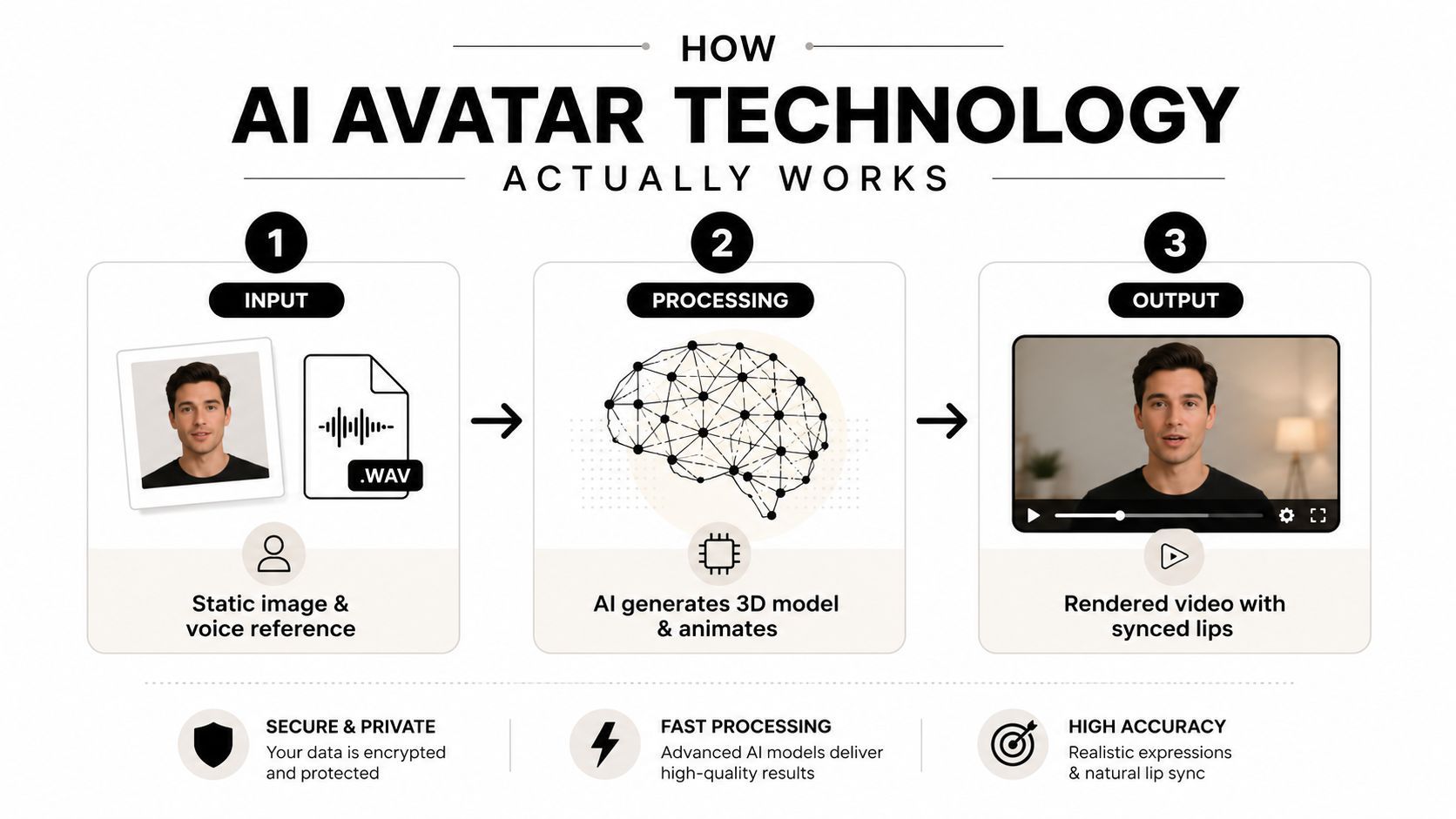
मूलभूत स्तर पर, avatar generation एक controlled animation pipeline है। आप system को source image देते हैं, कभी-कभी reference clip, और अक्सर audio file। Model फिर facial motion को sound से map करता है और talking presenter render करता है जो voice का अनुसरण करता हो।
सबसे आसान mental model है digital puppeteer। Audio waveform cue sheet की तरह काम करता है, जो system को बताता है कि mouth कब खोलना है, jaw shift करना है, और face को speech के sync में move करना है। Input जितना बेहतर, animation उतनी clean। Capture जितना खराब, mouth drift, awkward jaw movement, या hair और shoulders के आसपास unstable edges उतने अधिक दिखेंगे।
एक उपयोगी distinction image-to-video pipelines को open-ended scene generation से अलग करती है। Avatar systems synchronization के लिए पहले design किए जाते हैं, जिसका मतलब वे alignment को cinematic freedom से कहीं अधिक महत्व देते हैं। यही कारण है कि वे explainers, sales intros, और training clips के लिए अच्छे हैं, लेकिन imaginative storyboarding या complex scene design के लिए कम flexible।
क्यों capture specs इतनी मायने रखती हैं
Training quality अक्सर model शुरू होने से पहले ही limited हो जाती है। Microsoft's Azure AI Speech avatar guidance कम से कम 1920×1080 resolution और 25 FPS for training video की मांग करता है, साथ ही green-screen setup जहां actor 0.5 m to 1 m background से दूर positioned हो segmentation errors कम करने के लिए (Microsoft Docs)। ये details fussy लगती हैं जब तक आप bad training clip को final render में edge artifacts leak होते देखें।
कारण सरल है। Clean capture keypoints को अधिक reliably track करने में मदद करता है, matting stable रहता है, और mouth-to-audio sync कम synthetic लगता है। Production में, यह सीधे प्रभावित करता है कि final video landing page पर usable लगे या public release के लिए बहुत rough।
Cost और format constraints creative choices को shape करती हैं
Audio-driven avatar generation के लिए, model की architecture prompt जितनी या उससे अधिक मायने रखती है। Kling AI Avatar v2 Standard को static image और audio file की जरूरत होती है, फिर waveform का उपयोग facial animation timing और lip movements drive करने के लिए करता है। इसका published output cost $0.0562 per second है, इसलिए 30-second clip लगभग $1.69 है editing या distribution costs से पहले (fal.ai)।
यह pricing avatar video को high-volume use के लिए attractive बनाती है, लेकिन trade-off भी दिखाती है। आप speed और scale gain करते हैं, जबकि filming या fully generative scene creation से मिलने वाली creative latitude खो देते हैं। यही decision है, न कि चेहरा “real enough” लगता है या नहीं।
अपना Avatar Video Production Workflow कैसे बनाएं
एक dependable avatar workflow production line की तरह ज्यादा लगता है, one-off creative pass से नहीं। वे टीमें जो लगातार ship करती रहती हैं, avatar tool खोलकर शुरू नहीं करतीं। वे message, audience, channel, और video के exact job से शुरू करती हैं, फिर सब कुछ उस brief के आसपास build करती हैं।
पहली गलती avatar को starting point treat करना है। इससे आमतौर पर weak scripts, mismatched delivery, और final cut मिलता है जो assembled लगता है planned के बजाय। Practice में, script, voice, framing, और approval path को किसी frame render करने से पहले decide किया जाना चाहिए।
एक व्यावहारिक production sequence
एक clean workflow पांच decisions से गुजरता है। Script spoken delivery के लिए लिखी जाती है, blog-style reading के लिए नहीं। फिर avatar select या create किया जाता है, voice message से match की जाती है, scene assemble की जाती है, और final cut channel के लिए adjust किया जाता है।
यह sequence सरल लगती है, लेकिन real production problems हल करती है। Spoken scripts awkward phrasing कम करती हैं। Matched voice polished face को wrong cadence pair करने से बचाती है। Channel-specific edits asset को landing page, sales deck, या short social clip पर usable रखती हैं बिना viewer को message से अधिक मेहनत करवाए।
एक simple internal standard process को fast रखने में मदद करता है:
- Script पहले: short sentences लिखें जो spoken होने पर natural लगें।
- Avatar selection: brand tone से fit presenter चुनें, न कि सिर्फ nicest-looking face।
- Voice और pacing: final render से पहले narration speed test करें।
- Platform के लिए edit: short-form के लिए aggressively trim करें, captions add करें जहां viewers muted देखते हैं।
- Series में publish: videos को topic से group करें ताकि audience consistent format देखे।
Series-based production मायने रखता है क्योंकि avatar work हर clip को scratch से rebuild करने पर बिखर जाता है। Same intro structure, framing logic, और CTA placement reuse करने से format familiar रहता है और unnecessary revision rounds कम होते हैं। इससे quality control आसान हो जाता है, क्योंकि producers हर new asset को known pattern से compare कर सकते हैं isolation में judge करने के बजाय।
जहां tools friction कम करते हैं
Unified platforms तब सबसे अच्छे काम करते हैं जब handoffs की संख्या कम करते हैं। ShortGenius, उदाहरण के लिए, scriptwriting, image generation, video assembly, natural voiceovers, captions, resizing, scene swaps, brand kit application, और scheduling को एक जगह combine करता है, ताकि टीमें single publish cycle के लिए multiple tools stitch न करें (ShortGenius)। यह stack तब sense बनाता है जब goal speed plus consistency हो, one-off artistry नहीं।
Workflow तभी fast रहता है यदि editing, voice, और distribution steps close साथ हों। एक project जब too many tools के बीच bounce होता है, तो time savings exports, version checks, और approval delays में गायब हो जाती हैं। Hidden cost सिर्फ time नहीं, drift है, जहां typography, pacing, या voice treatment में छोटे changes brand को कम controlled महसूस कराते हैं एक clip से अगले तक।
एक व्यावहारिक production नियम है templates के आसपास build करना, फिर message vary करना। यदि framing, intro hook, और CTA placement consistent रहें, तो team faster move कर सकती है बिना हर video को copied लगाए। यही avatar content को repeatable format के रूप में scale करता है isolated assets के ढेर के बजाय।
जहां AI Avatars Real Business Value Deliver करते हैं
सबसे मजबूत business case यह नहीं कि avatars demo screen पर impressive लगते हैं। यह है कि वे specific workflows में human-recorded video, UGC, या screen capture से अधिक predictably production problems हल करते हैं। सबसे स्पष्ट value वहां दिखती है जहां content volume, localization, और message consistency on-camera charisma से अधिक मायने रखते हैं।
Training, communication, और multilingual work
Enterprise टीमें avatars का उपयोग तब करती हैं जहां repetition feature है, flaw नहीं। Internal training, policy updates, product walkthroughs, और market-by-market explainers सभी को हर बार same delivery से लाभ होता है, विशेष रूप से जब script update करने की जरूरत हो talent reshoot किए बिना। यही कारण है कि avatar content operational communication के लिए polished human shoot से बेहतर fit होता है।
व्यावहारिक gain सिर्फ lower production friction नहीं। यह scheduling drag, rebooking costs, और version-control problems भी हटा देता है जो message को departments या languages के लिए adapt करने पर आते हैं। Team एक approved script localize कर सकती है, visual format stable रख सकती है, और revision work को shoot के बजाय edit में shift कर सकती है।
ShortGenius उस workflow का उपयोगी उदाहरण है एक जगह। इसका scriptwriting, image generation, video assembly, natural voiceovers, captions, resizing, scene swaps, brand kit application, और scheduling handoffs की संख्या कम करता है जिसे team manage करनी पड़ती है, जो repeatable publishing के लक्ष्य पर मायने रखता है one-off creative work के बजाय (ShortGenius)।
Learning performance और presentation format
Format अभी भी मायने रखता है। Training टीमें पाया है कि avatar-led modules attention hold कर सकते हैं जब structure clear हो, pacing controlled हो, और viewer को live speaker की improvisation interpret न करनी पड़े। Practice में, सबसे मजबूत use case generic narration नहीं, guided instruction है जहां visual pattern हर module में consistent रहता है।
Value pattern का compact view इस प्रकार है:
| Use Case | Business Value |
|---|---|
| Corporate training videos | Repeated modules में messaging consistent रखता है और reshoot work कम करता है |
| Enterprise video communication | Leaders को multiple versions में same message deliver करने पर internal updates speed up करता है |
| Multilingual video projects | Localization आसान बनाता है क्योंकि same approved format markets के पार adapt किया जा सकता है |
Output quality को carefully manage करना पड़ता है। यदि avatar, pacing, या lip sync off लगे, तो format basic talking-head recording से सस्ता लग सकता है। यही trade-off है क्यों avatar videos तब सबसे अच्छे काम करते हैं जहां distribution efficiency fully natural performance से अधिक मायने रखती हो।
जहां human presenters अभी भी जीतते हैं
Human talent तब जीतता है जब viewer को empathy, spontaneity, या visible accountability की जरूरत हो। Founder update, customer apology, या sensitive sales conversation real person on camera के साथ अधिक convincing लगता है। उन moments में, value speed नहीं, trust है।
Avatar video को repeatable communication layer carry करना चाहिए, जबकि humans उन moments को handle करें जहां nuance outcome बदल देता हो। सबसे अच्छी टीमें avatars का उपयोग high-volume updates, localized explainers, और standardized training के लिए करती हैं, फिर live या recorded human footage को उन spots के लिए reserve करती हैं जहां authenticity heavy lifting करनी हो।
सही Platform और Integration Stack कैसे चुनें
एक weak platform choice team को awkward export steps, uneven branding, और launch के बाद भी दिखने वाले hidden editing work में फंसा सकती है। Evaluation full production stack से शुरू होनी चाहिए, script से publish तक, क्योंकि यहीं avatar projects efficient रहते हैं या maintenance work में बदल जाते हैं।
Commit करने से पहले क्या compare करें
Output quality पहले आती है। Low-grade render credibility को time बचाने से तेजी से hurt कर सकता है। Customization अगली है, क्योंकि avatar assets को brand tone match करना चाहिए generic studio frame में sitting के बजाय। Integration flexibility उतनी ही मायने रखती है, क्योंकि content टीमें generation के बाद captions, resizing, scheduling, और asset reuse की जरूरत रखती हैं।
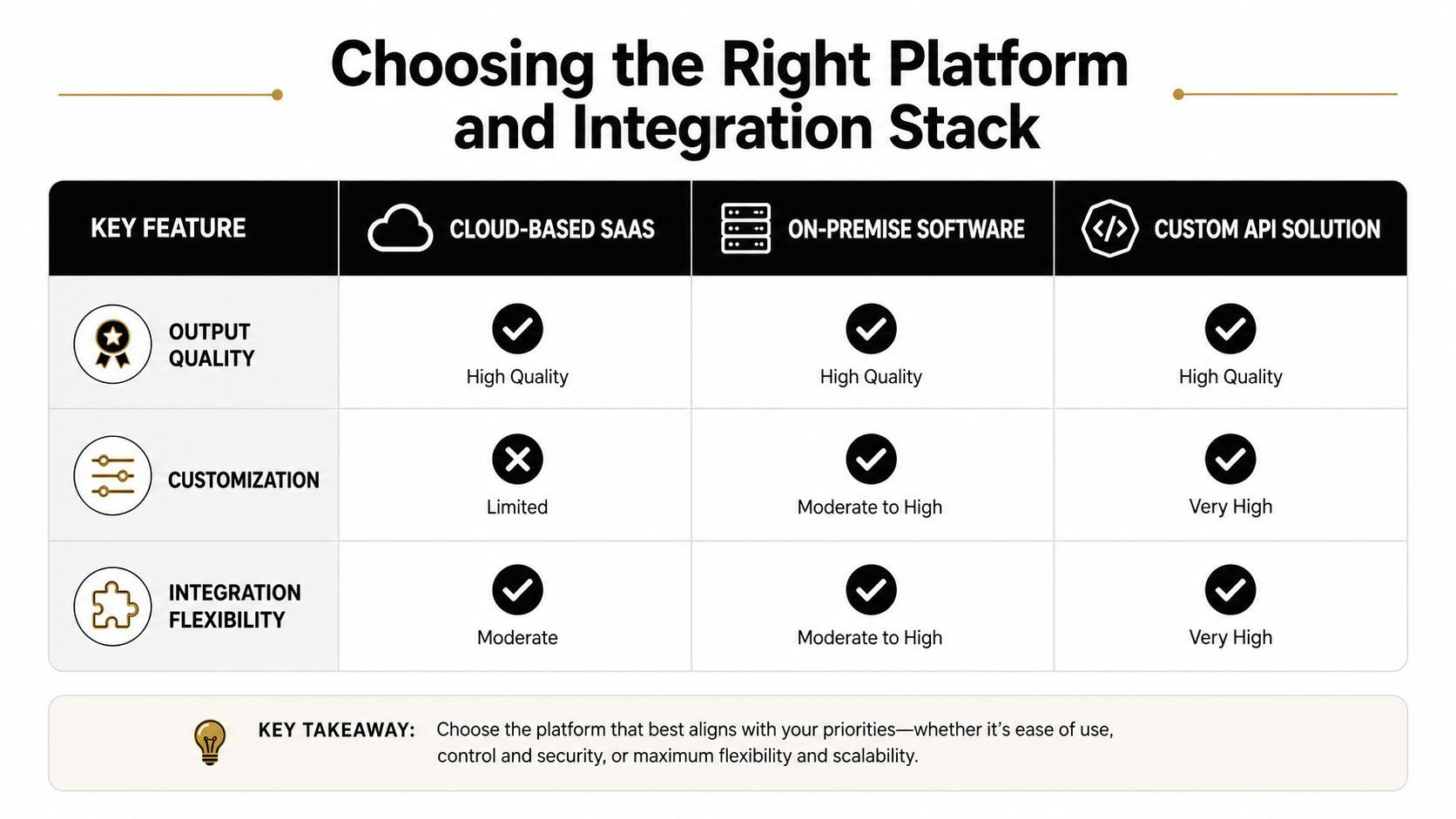
Trade-off सीधी है। Specialized avatar generators एक narrow area में stronger हो सकते हैं, जबकि unified platforms tools की संख्या कम करते हैं जिन्हें team manage करनी पड़ती है। यदि workflow repeated publishing पर depend करता हो, तो वह reduction perfect single-feature depth से अधिक मायने रखता है।
Platform test avatar preview से अधिक include करनी चाहिए। Check करें कि tool versioning, brand templates, approval handoffs, और export formats को कैसे handle करता है। Demo में polished लगने वाला stack हर campaign new cut के लिए extra manual work create कर सकता है।
Actual cost render price से बड़ा है
Per-second generation fees pricing page पर tidy लगते हैं, लेकिन full workload नहीं दिखाते। टीमें अभी भी editing, caption creation, aspect-ratio changes, approval loops, और distribution पर time spend करती हैं। जब ये steps separate tools में spread हों, तो time advantage जल्दी गायब हो सकती है।
ShortGenius जैसा platform stack discussion में fit होता है क्योंकि यह avatar-style presentation को scriptwriting, editing, brand kits, और scheduling से एक workflow में tie करता है। इसका मतलब यह नहीं कि एक platform हर specialist tool replace कर देता है। इसका मतलब unified stack avatar production को disconnected tasks की chain बनने से रोक सकता है।
यदि tools compare कर रहे हैं, तो render test के बाद एक question पूछें। Draft से published तक video पहुंचाने में कितने extra steps लगते हैं? वह answer demo से अधिक कहता है।
Custom Avatars के लिए Governance और Disclosure
सबसे weak avatar guides governance को legal footnote की तरह treat करते हैं। Real production में, यह workflow discipline है, और यह one-off test और brand-safe program के बीच सबसे बड़ा अंतर है। यदि आप avatar-led content scale कर रहे हैं, तो disclosure और rights management overhead नहीं। वे product का हिस्सा हैं।
Consent, rights, और audit trails
Core problem सरल है। Custom avatar अक्सर real person's likeness, voice, या brand-adjacent identity represent करता है। इसका मतलब team को permission, usage limits, और asset के campaigns और markets में उपयोग का record चाहिए।
Recent policy और platform changes ने synthetic-media transparency को अधिक महत्वपूर्ण बना दिया है, और U.S. Federal Trade Commission ने deceptive AI impersonation और likenesses के misuse के बारे में चेतावनी दी है (FTC and platform policy context)। आपको हर video को legal memo बनाने की जरूरत नहीं, लेकिन process चाहिए जो बाद में basic questions का जवाब दे सके, जैसे avatar को किसने approve किया, यह क्या कह सकता है, और कहां publish हो सकता है।
एक workable disclosure checklist
Governance workflow को best way में boring होना चाहिए। यदि team asset trace न कर सके, तो यह paid media के लिए ready नहीं। यदि audience synthetic nature न बता सके जब disclosure appropriate हो, तो risk तेजी से बढ़ जाता है।
एक simple internal checklist उपयोग करें:
- Trademark check: confirm करें कि avatar और surrounding assets ownership conflicts न create करें।
- Public disclosure label: synthetic nature को clear करें जहां context require करे।
- Usage rights contract: commercial permissions और market scope document करें।
- Deepfake policy review: confirm करें कि asset platform rules और internal standards follow करता हो।
Transparency सिर्फ compliance move नहीं। यह campaign को protect करता है जब viewer question करे कि कौन बोल रहा है और video क्यों exists।
क्यों governance performance improve करती है
Clear disclosure relevant और well-made content के साथ trust support कर सकता है। Problem आमतौर पर यह नहीं कि video synthetic है। यह है कि audience misled महसूस करती है। Viewer format समझ जाए तो message पर focus कर सकता है medium diagnose करने के बजाय।
Agencies और in-house टीमें के लिए payoff operational है। Clean audit trail avatars को campaigns के पार reuse, clients के बीच assets handoff, और platform review या legal question आने पर content defend करने को आसान बनाता है। यह serious advantage है जब avatar production experimentation से regular channel में move करता है।
Common Avatar Quality Issues का Troubleshooting
ज्यादातर avatar failures publication से पहले obvious होते हैं यदि कोई जानता हो क्या देखना है। Bad clips model unusable होने से fail नहीं करते। Source material, voice pacing, या composition शुरू से off होने से fail होते हैं।
चार problems जो सबसे अधिक दिखती हैं
Lip sync drift weak audio quality या unnatural pacing से आती है। यदि voice input rushed, clipped, या poorly edited हो, तो mouth shapes cleanly settle नहीं होंगी। Unnatural head motion overprocessing या capture setup से आती है जो model को enough clean reference data न दे।
Poor background compositing दूसरी giveaway है। यदि matting shoulders, hair, या hands के आसपास messy लगे, तो training setup clean enough नहीं था। ऊपर Microsoft capture guidance यहां मायने रखती है, क्योंकि resolution, frame rate, और green-screen spacing final composite की stability सीधे affect करते हैं।
यदि avatar पहले पांच सेकंड में slightly off लगे, तो viewers बाकी clip में mistakes ढूंढते बिताते हैं message absorb करने के बजाय।
पहले क्या fix करें
Model blame करने से पहले easiest causes से शुरू करें। Voice को steadier pacing से re-record करें। Script tighten करें ताकि avatar fast syllables और long pauses के बीच jump न करे। फिर training source को resolution और framing problems के लिए check करें नई version generate करने से पहले।
कुछ issues post-production fixes हैं, कुछ नहीं। Bad captions, weak pacing, या awkward cuts render के बाद repair हो सकते हैं। Badly trained avatar को अक्सर new source clip या fresh generation pass चाहिए।
Presentation polish के लिए useful reference के रूप में, natural-looking AI video techniques पर article इस troubleshooting mindset का practical complement है। Important takeaway यह है कि “natural” disciplined inputs का result होता है, lucky render का नहीं।
Avatar Video Success के लिए आपके अगले Steps
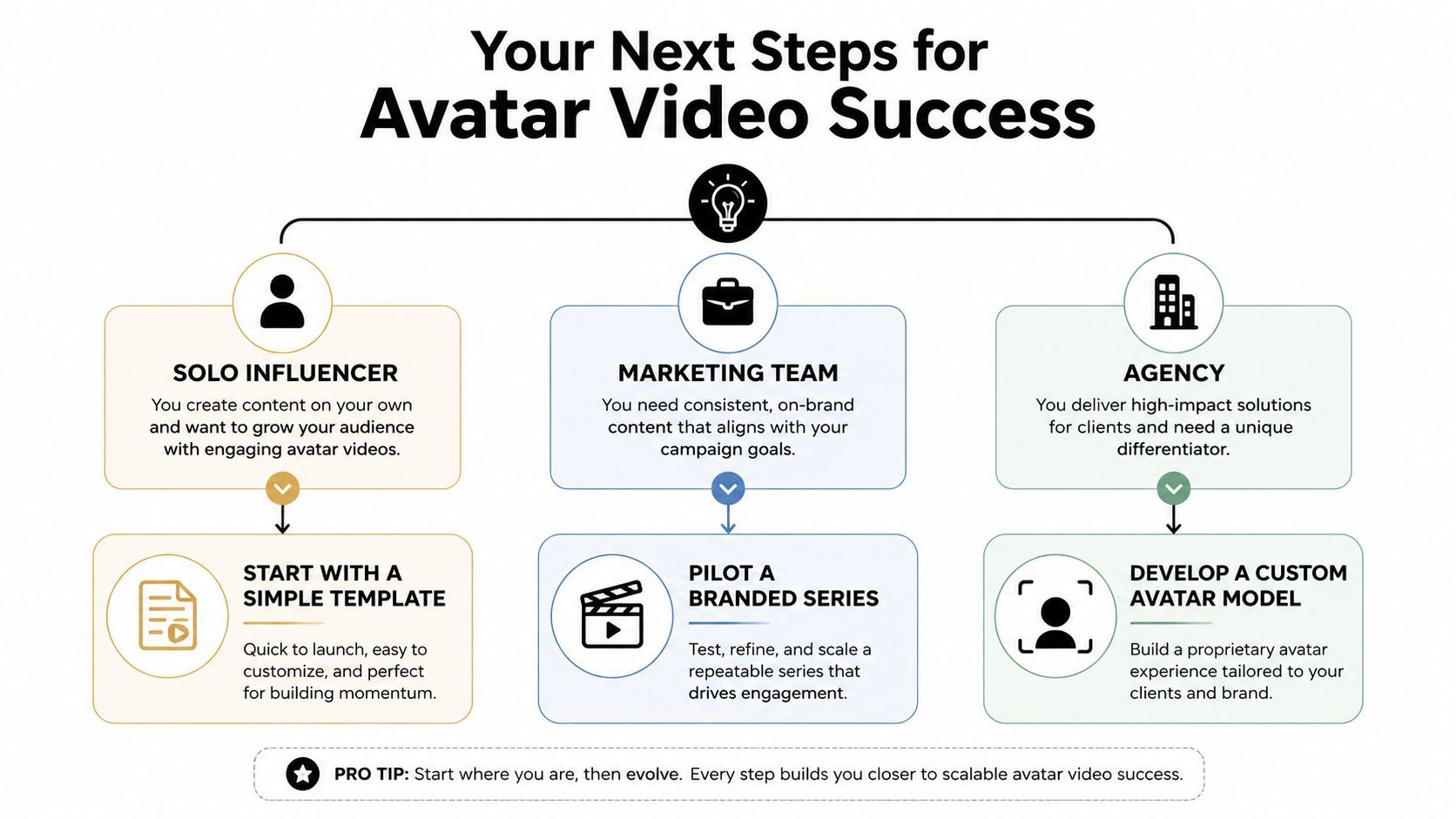
सही move content produce करने वाले और उसके exist करने के कारण पर depend करता है। Solo creators simple template से शुरू कर सकते हैं और test कर सकते हैं कि avatar-led clips attention hold करते हैं heavy production system build किए बिना। Marketing टीमें branded series pilot करनी चाहिए ताकि format repeatable structure, clear approvals, और consistent look campaigns के पार हो। Agencies को custom avatar governance, reusable assets, और clean handoff process clients के पार चाहिए, वरना workflow messy हो जाता है।
Test यह नहीं कि avatar video produce हो सकती है। यह है कि क्या यह speed, consistency, और output improve करती है brand को flat या generic महसूस कराए बिना। कुछ cases में यह human talent या UGC से outperform करेगी क्योंकि localize करना faster, update करना easier, और versions के पार on-message रखना simpler है। अन्य cases में human camera जीतेगा क्योंकि audience को visible trust, spontaneity, या lived-in delivery चाहिए।
वे टीमें जो avatar video से value पाती हैं governance को production का हिस्सा treat करती हैं, afterthought नहीं। इसका मतलब scripts approve कौन कर सकता है decide करना, disclosure language क्या required है, avatar styles कौन acceptable हैं, और source clip कितनी बार refresh होनी चाहिए output stale लगने से पहले। इसका मतलब workflow को captions, exports, scheduling, और version control handle कैसे करता है check करना भी, क्योंकि fastest render useless है यदि team cleanly ship न कर सके।
यदि decide कर रहे हैं कि format आपके pipeline में belong करता है, तो किसी production change के लिए same standard उपयोग करें। पूछें कि क्या यह time बचाता है trust कम किए बिना, क्या team इसे repeat कर सकती है जो work ship करती है, और क्या final result brand जैसा लगता है। ShortGenius (AI Video / AI Ad Generator) उस evaluation में fit हो सकता है, लेकिन बेहतर question यह है कि कोई tool आपके workflow match करता है या नहीं।