10 AI इमेज जेनरेशन प्रॉम्प्ट्स जो काम करते हैं
स्टाइल, कम्पोज़िशन, ब्रांडिंग, थंबनेल्स, प्रोडक्ट्स और मल्टी-प्लेटफ़ॉर्म कंटेंट के लिए प्रैक्टिकल उदाहरणों सहित 10 AI इमेज जेनरेशन प्रॉम्प्ट्स का अन्वेषण करें।
2024 तक पांच में से चार से अधिक लोगों ने AI का उपयोग छवियां उत्पन्न करने के लिए किया था, और सबसे मजबूत AI image generation prompts इसलिए जीतते नहीं हैं क्योंकि वे सबसे लंबे होते हैं। वे काम करते हैं क्योंकि वे एक production goal निर्धारित करते हैं, फिर subject, visual treatment, composition, constraints, और platform requirements को layer करते हैं।
“और अधिक विशेषण जोड़ें” अभी भी prompt writing में सबसे लोकप्रिय सलाह है। यह production asset को बेहतर बनाने का सबसे कम विश्वसनीय तरीका भी है। शब्दों का एक स्ट्रिंग जैसे “beautiful, cinematic, stunning, professional, highly detailed” मूड को प्रभावित कर सकता है, लेकिन यह image model को यह नहीं बताता कि एसेट को क्या हासिल करना है।
बेहतर दृष्टिकोण यह है कि हर prompt को एक creative brief की तरह देखें। job से शुरू करें, subject का वर्णन करें, style स्थापित करें, layout को नियंत्रित करें, बताएं कि क्या टाला जाना चाहिए, और एक बार में एक सार्थक variable बदलकर variations बनाएं। यह विधि एक product ad के लिए अलग-थलग art prompt से अधिक उपयोगी है, और यह thumbnails, recurring characters, storyboards, text-safe layouts, branded series, और platform-specific publishing में लागू होती है।
Prompt-driven image creation पहले ही novelty से workflow में बदल चुकी है। Pick-a-Pic और Stable Diffusion prompt datasets से जुड़े शोध ने 66,798 prompts और 6,394 users से 968,965 user rankings दस्तावेजित किए, साथ ही एक संबंधित dataset जिसमें 14 million generated images और 1.8 million unique prompts शामिल हैं। व्यावहारिक प्रश्न यह नहीं है कि क्या आप एक image उत्पन्न कर सकते हैं। यह है कि क्या आप सही asset को बार-बार उत्पन्न कर सकते हैं, इसे कुशलता से संपादित कर सकते हैं, और इसे अपने audience की आवश्यक format में प्रकाशित कर सकते हैं।
1. विस्तृत वर्णनात्मक Prompts आर्ट स्टाइल Parameters के साथ
विस्तृत वर्णनात्मक prompt तब उपयोगी होता है जब asset को एक series में पहचानने योग्य visual treatment की आवश्यकता हो। एक वाक्य से शुरू करें जो production job का नाम दे, जैसे “एक science explainer के लिए vertical opening frame बनाएं जो ocean pressure के बारे में हो।” फिर subject, setting, lighting, camera position, color treatment, और intended mood जोड़ें।
एक उपयोगी structure इस तरह दिख सकती है:
एक short educational video के लिए vertical cinematic opening frame बनाएं जो ocean pressure के बारे में हो, जिसमें एक research submarine गहरे नीले trench के ऊपर उतर रही हो, surface से dramatic shafts of light, wide-angle composition, submarine को lower third में रखा गया हो, cool navy और teal palette, realistic documentary photography, upper third में clear negative space, कोई logos नहीं, कोई extra vehicles नहीं, कोई distorted instruments नहीं।
यह prompt एक picture का वर्णन करने से अधिक करता है। यह thumbnail या intro job स्थापित करता है, hierarchy को नियंत्रित करता है, और बाद की editing के लिए space सुरक्षित रखता है। “[artist या photographer] से प्रेरित” visual direction को निर्देशित करने में मदद कर सकता है, लेकिन यह light, lens feel, framing, या subject placement के ठोस निर्देशों का स्थान नहीं लेना चाहिए।
पूरे brief को नहीं, treatment को टेस्ट करें
Submarine, trench, placement, और negative space को fixed रखें। केवल “realistic documentary photography” को “editorial ink illustration” या “premium 3D animation still” में बदलें। तुलना तब बताएगी कि कौन सा visual treatment channel के लिए फिट है, बजाय हर attempt में नए subject और new style को मिलाने के।
Negative prompts predictable distractions को हटा सकते हैं, लेकिन वे positive composition का विकल्प नहीं हैं। Video intros के लिए, एक ही scene के आसपास छोटे set of angles उत्पन्न करें, जैसे wide establishing, medium subject, और close detail। इससे editor को options मिलते हैं बिना continuity को बलिदान दिए।
Adobe का 2024 सर्वेक्षण पाया कि Gen Z ने प्रति prompt औसतन 17 शब्दों का उपयोग किया जबकि Gen X ने 20.1 शब्द, और इसने रिपोर्ट किया कि पांच में से चार से अधिक लोगों ने AI का उपयोग छवियां उत्पन्न करने के लिए किया। सबक शब्द गिनती को target करने का नहीं है। यह है कि हर phrase एक production instruction ले जाए। TikTok openings that boost watch time opening frame को finished video के पहले seconds से जोड़ने में मदद कर सकते हैं।
2. Character और Avatar Generation Prompts
Character prompts एक continuity समस्या हल करते हैं। एक recurring animated teacher, beauty avatar, brand mascot, या fictional host को scene से scene एक ही व्यक्ति जैसा दिखना चाहिए, भले ही pose, setting, और expression बदलें।
Episode prompts लिखने से पहले character brief लिखें। Stable traits शामिल करें जैसे face shape, hairstyle, skin tone, clothing silhouette, signature accessory, age presentation, और overall attitude। उन details को reusable block में रखें, फिर scene-specific action append करें।
Episode से पहले identity बनाएं
उदाहरण के लिए:
- Identity: Friendly animated science teacher, oval face, short dark curls, round green glasses, mustard cardigan, navy shirt, small silver star pin.
- Expression: Curious और encouraging, natural smile, attentive eyes.
- Scene: एक bright classroom में transparent model of a volcano के बगल में खड़े, एक हाथ lava chamber की ओर इशारा कर रहा हो।
- Framing: Medium shot, subject थोड़ा empty side of the frame की ओर मुंह करके caption के लिए।
- Exclusions: कोई extra fingers नहीं, कोई changed glasses नहीं, कोई alternate clothing नहीं, image के अंदर कोई text नहीं।
पहले character sheet उत्पन्न करें, जिसमें front, profile, seated, pointing, surprised, और explaining poses हों। Sheet आपको visual reference library देती है और full series बनाने से पहले unstable traits उजागर करती है। जब model reference images या image editing सपोर्ट करे, तो same source identity का उपयोग करें और केवल intended change का वर्णन करें।
“पिछले जैसा ही character” पर continuity instruction के रूप में निर्भर न रहें। यह distinctive identity block को दोहराने से कमजोर है, और separate sessions में images उत्पन्न करने पर विफल हो सकता है। Short batches तुलना आसान बनाते हैं, इसलिए कुछ outputs टेस्ट करें, facial structure और clothing जांचें, और next episode produce करने से पहले brief revise करें।
Fashion-focused content के लिए, recurring persona को multiple outfits present करने हों तो dedicated AI fashion model generator उपयोगी हो सकता है। Production principle वही रहता है: identity preserve करें, एक wardrobe या setting variable vary करें, और जांचें कि model ने fixed रहने वाले कुछ भी बदला तो नहीं।
3. Product Showcase और Lifestyle Image Prompts
Product prompts scene को decorate करने से पहले product को protect करें। एक skincare jar, shoe, drink can, या tech accessory को accurate shape, packaging, proportions, label placement, और material cues की जरूरत है। Lifestyle context उस foundation के बाद आता है।
Product-only description से शुरू करें:
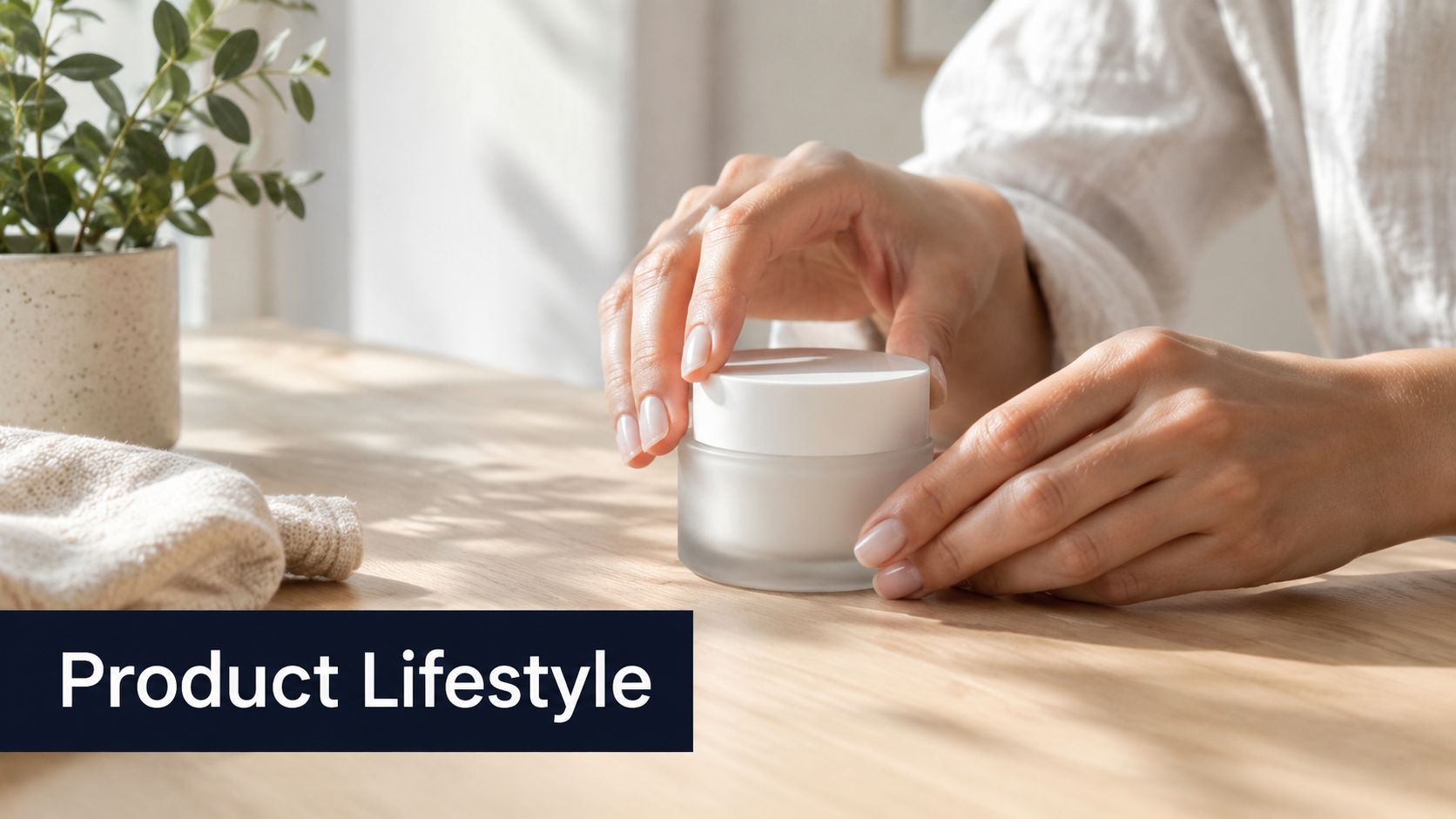
“小 cylindrical glass skincare cream jar with a matte ivory lid, pale green cream visible inside, minimal black label, centered on a light wooden table.”
फिर use case जोड़ें:
“एक adult hand jar को खोल रही हो folded white towel और ceramic water glass के बगल में, soft morning window light, quiet bathroom-inspired setting, premium lifestyle photography, realistic skin और glass reflections, product fully visible, कोई altered label text नहीं।”
Campaign variation से product truth को अलग करें
एक controlled family of scenes बनाएं:
- Environment: Light wooden table, bathroom shelf, travel pouch.
- Action: Jar खोलना, cream लगाना, towel के बगल में रखना।
- Audience cue: Minimal skincare routine, premium self-care, practical morning routine.
- Camera treatment: Clean product photography, candid lifestyle photography, soft editorial close-up.
एक बार में एक group बदलें। यदि आप environment, hand position, lighting, और camera treatment को एक साथ बदलते हैं, तो आपको नहीं पता चलेगा कि jar क्यों distorted हो गया या visual prominence खो गया। AI image generation prompts commerce में अक्सर इसलिए विफल होते हैं क्योंकि scene बिकने वाली item से अधिक persuasive हो जाती है।
Actual captions, logos, और final brand elements को editing stage में उपयोग करें बजाय generated packaging text पर भरोसा करने के। ShortGenius selected product images को व्यापक AI video और ad creation workflow में ला सकता है, जहां teams brand kit apply कर सकते हैं, scenes assemble कर सकते हैं, captions जोड़ सकते हैं, और variations तैयार कर सकते हैं बिना हर asset को manually rebuild किए। Backgrounds और scenarios को batches में उत्पन्न करें, लेकिन publication से पहले हर output को label accuracy, hand anatomy, और claims compliance के लिए approve करें।
4. Trending Audio-Visual Scene Prompts
Trend-led prompts तब उपयोगी होते हैं जब speed और cultural fit मायने रखते हैं, लेकिन trend copy करने से brand interchangeable लग सकता है। Trend के पीछे visual behavior का वर्णन करें, फिर इसे अपने subject और audience से जोड़ें।
“Viral बनाएं” लिखने के बजाय, scene specify करें:
“Late-night café review के लिए vertical short-form opening, handheld street-photography energy, steaming cup की ओर quick push-in, flash-lit candid atmosphere, saturated red और amber highlights, imperfect framing, subject side से entering, creator's opening caption के लिए clear center area, कोई visible brand logos नहीं।”
यह model को motion-friendly composition और mood देता है बिना यह pretend किए कि image prompt reach guarantee कर सकता है। यदि asset video transition बनेगा, तो beginning state और ending state मांगें, जैसे closed café door से drink के close-up की ओर। Editor तब उन visual states को movement या cut से जोड़ सकता है।
Grammar उधार लें, identity नहीं
Target platform के आसपास appearing visual patterns monitor करें, जिसमें color grades, camera movement references, framing habits, और recurring scene concepts शामिल हों। फिर brand-owned element preserve करें, जैसे recurring palette, product shape, character, location, या caption treatment।
छोटा audience test बता सकता है कि trend message को support करता है या overwhelm। पूरे month का content trend के आसपास न बनाएं इससे पहले कि check करें कि viewers offer, lesson, या story समझते हैं या नहीं। कुछ related scenes जल्दी उत्पन्न करें, content को reinforce करने वाला select करें, और बाकी retire करें।
Short-form production को image generation, editing, और distribution के बीच fast handoff से लाभ होता है। एक scene काम करे तो उसके visual descriptors को next prompt में ले जाएं बजाय blank page से शुरू करने के। इससे shared visual grammar वाली series बनती है जबकि new subjects और hooks के लिए पर्याप्त room रहता है।
5. Text-Overlay और Typography-Ready Prompts
Text के लिए डिजाइन की गई image उसी में text वाली image से अलग है। Prompt को readable region reserve करना चाहिए, contrast control करना चाहिए, और subject को headline या caption के area से दूर रखना चाहिए।
कोशिश करें:
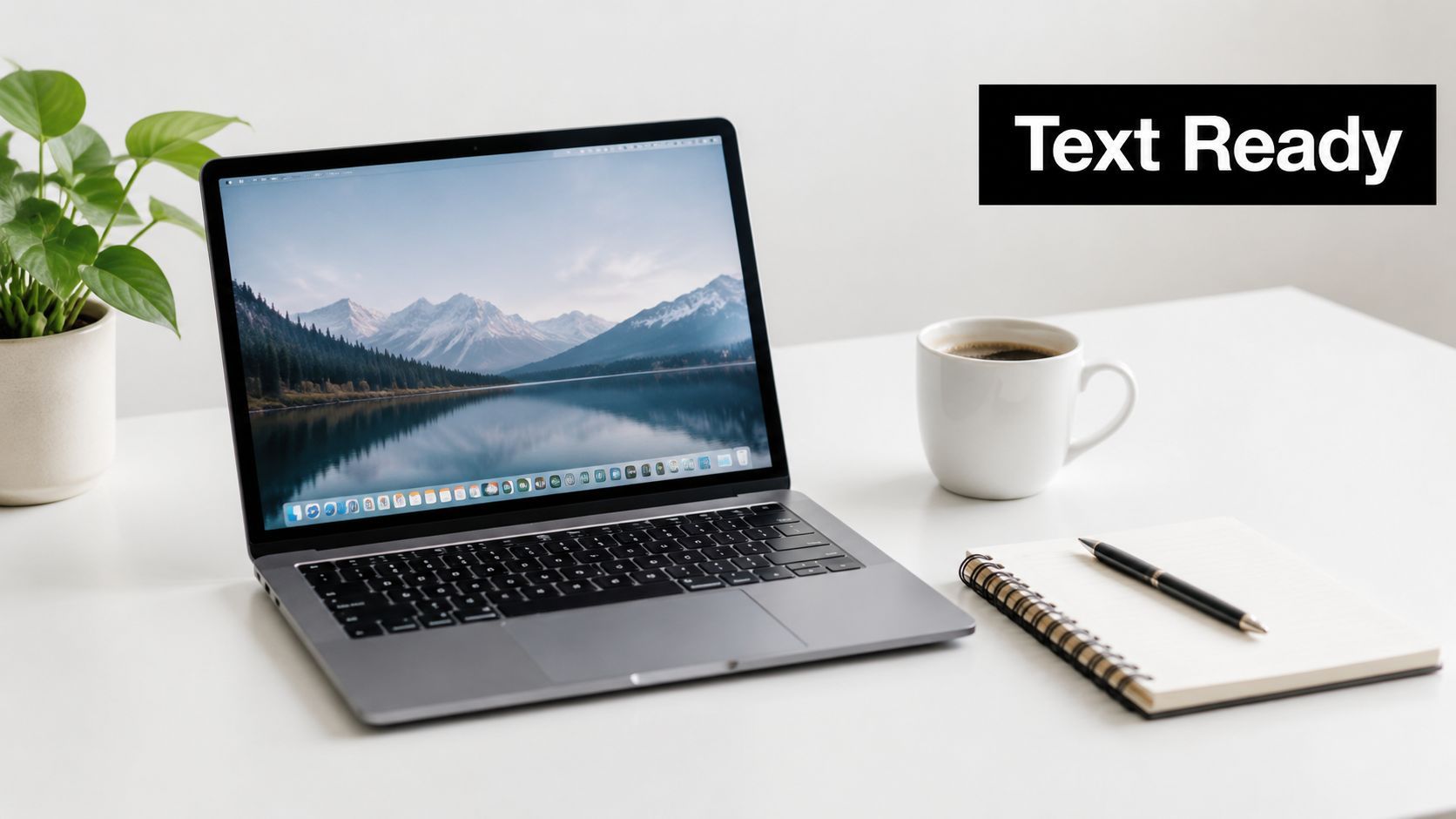
“Budgeting के बारे में post के लिए square educational background, lower right में neatly arranged notebook और calculator, soft cream desk surface, muted green और charcoal palette, left पर broad uncluttered negative space headline के लिए, low-detail background, empty text area और surrounding objects के बीच strong contrast, कोई words नहीं, कोई letters नहीं, कोई numbers नहीं।”
Final caption layer के लिए डिजाइन करें
Position language जैसे “left third,” “upper left,” “lower third,” या “subject confined to the right side” का उपयोग करें। Image model से final headline render करने की मांग न करें जब तक platform और model typography reliably handle न करें। Visual background उत्पन्न करें, फिर text editor से exact copy जोड़ें।
Placeholder text से नहीं, caption से composition टेस्ट करें। Light headline bright wall के खिलाफ गायब हो सकती है, जबकि dark headline dense object पर fail हो सकती है। Prompt tonal separation request कर सकता है, लेकिन final decision assembled design में होता है।
Platform requirements safe area बदलते हैं। Vertical short-form frame को interface elements, captions, और speaker's face के लिए room चाहिए। Square feed graphic का balance अलग होता है। Possible हो तो शुरू से suitable aspect ratio उत्पन्न करें, फिर cropped version inspect करें बजाय original frame के resizing survive मानने के।
यह prompt type quote cards, educational slides, coaching content, और campaign templates के लिए विशेष रूप से अच्छा काम करता है। Layout stable रखें और object, color accent, या subject vary करें। इससे series intentional लगती है बजाय बाद में same slogan वाली दस unrelated backgrounds बनाने के।
6. High-Impact Elements के साथ Thumbnail Optimization Prompts
Thumbnail का job cinematic still से अलग होता है। इसे glance पर simple promise communicate करना चाहिए, dominant subject retain करना चाहिए, और clear visual question बनाना चाहिए। अधिक detail small display sizes पर crowded होने से impact कम कर सकती है।
एक prompt उपयोग करें जो viewer को एक action पढ़ने दे:
Laptop troubleshooting tutorial के लिए video thumbnail, glowing laptop error screen की ओर surprised creator का close-up pointing, device के पीछे bright yellow warning shape, strong red और blue contrast, face left पर और laptop right पर, laptop के ऊपर three-word headline के लिए clean empty space, crisp studio lighting, exaggerated लेकिन believable expression, कोई tiny background objects नहीं, कोई generated text नहीं।
Facial expression तभी उपयोगी है जब यह video promise से match करे। Calm tutorial पर shocked face unnecessary click attract कर सकता है और trust कमजोर। Product comparisons के लिए, दो clearly separated objects और visual contrast जैसे light vs dark, old vs new, या damaged vs repaired उपयोग करें।
एक प्रश्न का उत्तर देने वाली variations produce करें
प्रति batch इन variables में से एक बदलें:
- Expression: Curious, excited, confused, concerned.
- Direction: Pointing inward, product की ओर looking, object holding.
- Contrast: Yellow और black, red और white, blue और orange.
- Composition: Face left, face right, centered subject.
Thumbnail test entire finished design compare करे, जिसमें actual headline और overlays शामिल हों। Generated text को अक्सर replace करना पड़ता है, और apparently strong background title के focal point cover करने पर fail हो सकता है। ShortGenius handoff support कर सकता है selected imagery को text tools और short-form production workflow के बाकी से combine करके।
उपयोगी constraint simplicity है। Decorative elements जोड़ने से पहले एक face, एक object, एक directional cue, और text area मांगें। यदि image को explain करने के लिए paragraph चाहिए, तो prompt गलत समस्या हल कर रहा है।
7. Emotion और Sentiment-Driven Scene Prompts
Emotion color words का accidental byproduct नहीं बल्कि explicit production objective होना चाहिए। Decide करें कि audience image देखने के बाद क्या feel करे, फिर facial behavior, distance, posture, environment, light, और color से वह feeling express करें।
Supportive mental health post के लिए:
“Help मांगने के बारे में post के लिए quiet supportive scene, sunlit window के पास relaxed shoulders वाली adult sitting, respectful distance पर nearby trusted friend seated, warm natural light, soft blue और muted green tones, open composition, calm expressions, ordinary lived-in room, कोई melodrama नहीं, कोई medical symbols नहीं, upper right पर text के लिए clear space।”
Prompt emotion को observable details से जोड़ता है। “Hopeful” अकेला बहुत abstract है। Raised posture, warmer light, open body language, और environment के visible path hope को adjectives की long list से अधिक reliably communicate करते हैं।
Message से emotional intensity match करें
Urgency limited-time offer के लिए suit कर सकता है, लेकिन aggressive red palette wellness message को alarming बना सकता है। Calm blue scene reassurance support कर सकता है, लेकिन energy चाहिए launch announcement को weaken। Color को several signals में से एक मानें, universal psychological switch नहीं।
पूछें कि image represented people का सम्मान करती है या नहीं। Inclusive casting intentional होनी चाहिए, और emotional expressions believable रहें बजाय stock-photo territory में exaggerated। Community content के लिए, several people same frame में रखने के बजाय interaction और shared attention उपयोग करें।
Selected image को aligned copy और audio से pair करें। Hopeful image के साथ threatening voiceover friction create करता है, जबकि serious message playful visual पर careless लग सकता है। एक emotional variable changed alternatives उत्पन्न करें, फिर actual script या caption के बगल review करें। Best result वह है जो message strengthen करे, necessarily सबसे dramatic frame नहीं।
8. Multi-Scene Sequence और Storyboard Prompts
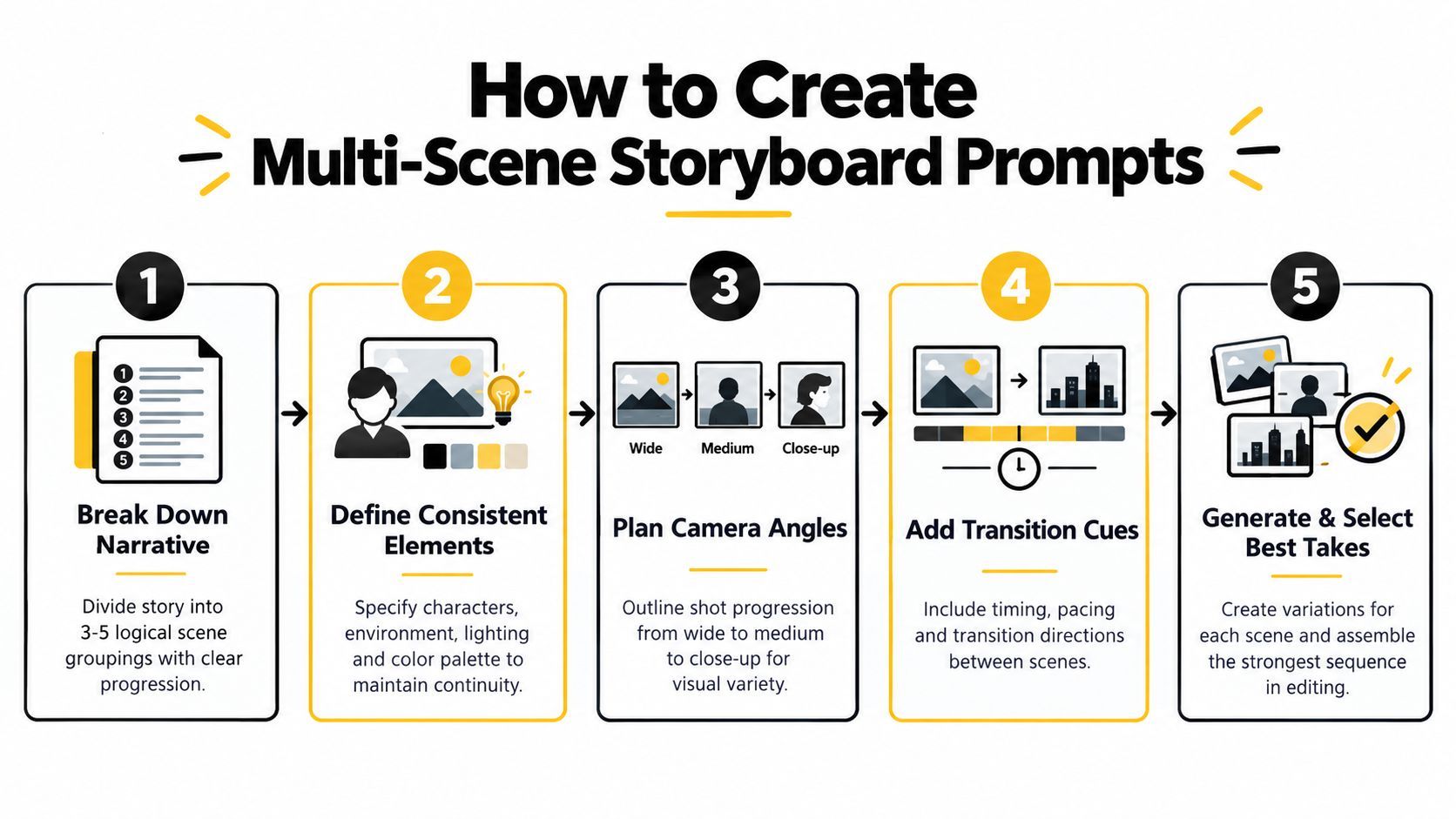
Storyboard prompt attractive shots के collection से अधिक continuity describe करे। Character, environment, prop, action, और camera progression define करें इससे पहले कि narrative को scene prompts में separate करें।
Product unboxing sequence इस pattern का पालन कर सकता है:
- Scene one: Clean desk पर creator का wide shot, table पर centered sealed package, morning light, product box unopened.
- Scene two: Same creator का medium shot tape cutting, same desk, same shirt, package both hands में held.
- Scene three: Box से product emerging का close-up, creator's hands visible, packaging camera facing.
- Scene four: Product using का medium shot creator का, box device के बगल placed, expression pleased लेकिन natural.
Spectacle जोड़ने से पहले continuity lock करें
हर scene में stable descriptors repeat करें। Shirt, desk, package color, lighting direction, और character identity fixed रखें। Camera angle और action vary करें, entire visual world नहीं।
Complex sequence मांगने वाला single prompt visually impressive collage produce कर सकता है जो editing के लिए उपयोगी न हो। Separate scenes cleaner assets देते हैं और एक weak take reject करने देते हैं बिना rest खोए। Scene groups logically compare करने लायक small रह सकते हैं, जबकि transition cues जैसे “opening lid से product close-up पर match cut” editor को narrative assemble करने में मदद करते हैं।
Prompt stability पर research इस production concern को support करता है। Auth-Prompt Bench ने 17,580 authentic prompt-image pairs introduce किए और mutual information, prompt entropy, और prompt energy से stability evaluate की, similarity या alignment पर निर्भर न होकर। Recurring storyboards के लिए व्यावहारिक lesson है intent generations के across survive करता है या नहीं measure करना, सिर्फ एक frame अच्छा लगने से नहीं।
Scene group approve होने पर, selected images को editor में timing, captions, voiceover, transitions, और platform versions के लिए ले जाएं। Storyboard prompt successful तब है जब assembly friction कम करे, सबसे elaborate single image produce न करे।
यह short walkthrough दिखाता है कि sequence planning से production में कैसे move हो सकती है:
9. Platform-Optimized Aspect Ratio और Dimension Prompts
Aspect ratio process के end में नहीं बल्कि production brief में belong करता है। Vertical mobile frame के लिए composed scene square crop survive न करे, और wide YouTube visual tall asset में convert होने पर subject खो सकता है।
Layout directly state करें:
“Creator के lower center में compact microphone holding वाला vertical 9:16 short-form scene, face upper middle में, important product details edges से दूर, uncluttered background, captions के लिए clear lower region, strong central focal point, कोई text नहीं।”
फिर platform versions deliberately बनाएं। Square feed asset को center के आसपास tighter arrangement चाहिए। Wide video frame subject को एक side पर place कर title या presenter के लिए room छोड़ सकता है। Tall Pinterest-style composition top से bottom लंबा visual path से benefit ले सकती है।
Resizing को rescue tool मानें
Possible हो तो native composition उत्पन्न करें। Resizing minor adjustment में मदद कर सकता है, लेकिन original से cropped face, product, या headline area हमेशा recover न करे। हर final export को target platform पर inspect करें, interface overlays और caption placement सहित।
Platform-specific prompt state करे कि क्या safe रहना चाहिए:
- Subject safety: Faces और products को extreme edges से दूर रखें।
- Text safety: Headline या captions के लिए uncluttered area reserve करें।
- Crop safety: Core action को central region में रखें।
- Series consistency: Platform variants के across same visual treatment reuse करें।
ShortGenius के resize tools selection के बाद minor adjustments में मदद कर सकते हैं, लेकिन strongest workflow platform-aware base पहले उत्पन्न करता है। इससे एक master image को हर channel में force करने और awkward crops accept करने की temptation कम होती है।
Formats के across same subject और style block उपयोग करें, केवल aspect ratio, placement, और safe zones बदलें। इससे campaign recognition preserve होता है जबकि audiences प्रत्येक feed में asset encounter करने के तरीके का सम्मान होता है।
10. Brand Identity और Style Guide-Aligned Prompts
Brand prompts visual identity को repeatable instructions में बदलते हैं। Approved palette, contrast behavior, photography या illustration treatment, spacing preference, product presentation, logo handling, और कभी न appearing elements define करें।
Baseline prompt इस तरह पढ़ सकता है:
“Warm cream, muted coral, और deep forest green उपयोग करने वाले brand के लिए premium wellness campaign image बनाएं, soft natural light, tactile paper और glass textures, generous negative space, calm editorial photography, restrained composition, inclusive everyday lifestyle, कोई neon colors नहीं, कोई harsh shadows नहीं, कोई playful candy styling नहीं, कोई unapproved logos नहीं, कोई generated claims या packaging copy नहीं।”
Model के vague terms जैसे “on brand” से color system accurately reproduce मानें नहीं। Tool जहां support करे visual examples या references जोड़ें, और brand brief को campaign variable से separate रखें। Campaign skincare routine से travel kit में बदल सकती है जबकि palette, light, और composition logic stable रहें।
Prompt workflow का हिस्सा approval बनाएं
Baseline version save करें, controlled variation उत्पन्न करें, और चार areas inspect करें:
- Identity: Palette और treatment recognizably consistent लगता है?
- Legibility: Generated labels, logos, या claims replace करने लायक safe हैं?
- Composition: Asset intended headline या product placement support कर सकता है?
- Compliance: Scene visual या verbal claim introduce करती है जो brand support न कर सके?
Brand consistency descriptive words जोड़ने से अधिक composition और editability control करने से आती है। Prompt structure पर research पाया कि fixed और flexible structures, clear subject-object relationships के साथ, expectations बेहतर match करने वाले outputs produce कर सकते हैं। संबंधित 2025 study ने repeated prompts को submissions का 40-50% बताया और lexical similarity को visual similarity से linked prompt structure और image outcomes पर research में। Repetition अकेला brand system नहीं है। Stable visual brief plus purposeful variation अधिक उपयोगी है।
ShortGenius saved brand kit को selected assets पर apply कर सकता है, teams को generation के बाद logos, colors, और consistent finishing treatments जोड़ने में मदद। Model prompt को scene और visual direction के लिए responsible रखें, फिर brand kit और editing stage exact identity elements के लिए उपयोग करें।
10-Point Comparison of AI Image Prompt Types
| Prompt Type | 🔄 Complexity | ⚡ Resources & Efficiency | ⭐ Expected Outcomes / Key Advantages | 📊 Ideal Use Cases | 💡 Key Tips |
|---|---|---|---|---|---|
| विस्तृत वर्णनात्मक Prompts आर्ट स्टाइल Parameters के साथ | High, long, technical prompts और art terminology | Moderate efficiency; अधिक tokens/longer generation time की जरूरत लेकिन overall कम iterations | ⭐⭐⭐ Professional, consistent, brand-aligned visuals; iteration cycles कम करता है | Thumbnails, ad creatives, social assets, branded series | Core sentence से शुरू फिर style/lighting layer करें; negative prompts उपयोग करें |
| Character और Avatar Generation Prompts | High, granular specs और reference continuity की जरूरत | Moderate–High; reference sheets या seeds और consistency के लिए iterations | ⭐⭐⭐ पहचानने योग्य recurring characters; talent hire करने से cost-effective | Series characters, avatars, mascots, VTuber/content personas | Upfront detailed character briefs और expression/pose sheets बनाएं |
| Product Showcase और Lifestyle Image Prompts | Medium, product detail + contextual composition | Scale पर high efficiency; labels/text accuracy के लिए post-edit की जरूरत | ⭐⭐ Authentic lifestyle images; scalable catalog variation; A/B testing support | DTC product ads, Instagram/Facebook lifestyle shots, catalog imagery | Precise product description से शुरू, फिर lifestyle context और angles जोड़ें |
| Trending Audio-Visual Scene Prompts | Medium, constant trend monitoring और rapid updates की जरूरत | Trend-aligned assets fast produce लेकिन frequent refresh जरूरी | ⭐⭐ Trend-accurate होने पर high short-term discoverability; variable longevity | TikTok/Reels viral content, trend-driven campaigns, quick deployments | Platform trends weekly monitor करें; brand के साथ trends blend करें differentiation के लिए |
| Text-Overlay और Typography-Ready Prompts | Low–Medium, text-safe areas की समझ जरूरी | Very efficient; post-generation editing और layout work कम | ⭐⭐⭐ Readable, caption-ready images जो text tools से integrate हों | Quote posts, educational slides, caption-heavy social content | Text-safe zones, contrast colors, target aspect ratios specify करें |
| High-Impact Elements के साथ Thumbnail Optimization Prompts | Medium, composition rules और expressive direction जरूरी | Thumbnail production के लिए high efficiency; rapid A/B testing support | ⭐⭐⭐ CTR और viewer attention के लिए optimized; scalable thumbnail variants | YouTube thumbnails, short-form covers, high-CTR campaigns | Niche thumbnails research करें, expressions test करें, text के लिए space छोड़ें |
| Emotion और Sentiment-Driven Scene Prompts | Medium, emotional nuance और cultural sensitivity जरूरी | Moderate; audience testing और iterations की जरूरत | ⭐⭐ Authentic होने पर strong emotional resonance; engagement/conversions boost | Coaching, wellness, motivational content, emotionally-driven ads | Target emotion define करें, color psychology उपयोग करें, sample audiences से test |
| Multi-Scene Sequence और Storyboard Prompts | High, complex narrative continuity और timing cues | Per run lower throughput; longer generation और selective editing | ⭐⭐⭐ Cohesive visual narratives; consistent होने पर video assembly speed up | Tutorials, story-driven videos, product demos, educational sequences | 3–5 scene groups में break करें, descriptors consistent रखें, variations generate करें |
| Platform-Optimized Aspect Ratio और Dimension Prompts | Low–Medium, per platform separate prompts जरूरी | Multi-channel publishing के लिए very efficient; cropping/resizing waste कम | ⭐⭐⭐ Platform-ready compositions कम artifacts के साथ; बेहतर cross-post results | Multi-platform campaigns, TikTok/IG/YouTube specific assets | Exact aspect ratio और safe zones specify करें; platform variants batch-generate |
| Brand Identity और Style Guide-Aligned Prompts | Medium–High, detailed brand documentation जरूरी | Moderate; upfront effort scale पर time और errors बचाता | ⭐⭐⭐ Brand consistency और compliance assets के across ensure | Agency clients, enterprise campaigns, multi-brand teams | Exact colors/fonts document करें, baseline templates बनाएं, brand kit integrations उपयोग करें |
Strong Prompts को Repeatable System में बदलें
सबसे अच्छा prompt शायद ही कभी एक beautiful image produce करने वाला हो। यह वह है जिसे आपकी team reuse, test, revise, और next asset में ले जा सके original intent खोए बिना।
एक business या content objective से शुरू करें। “Product image बनाएं” बहुत broad है। “नई skincare routine को calm और achievable feel कराने वाला vertical opening frame बनाएं” model और editor को meaningful job देता है। फिर style, lighting, camera position, color, expression, या background experiment करने से पहले core subject description save करें।
एक समय में एक variable बदलें। यदि पहली version warm editorial treatment उपयोग करे, तो product, pose, framing, और negative space fixed रखें cooler documentary treatment test करते हुए। यदि सब कुछ साथ बदलें तो output improve हो सकता है, लेकिन आपको नहीं पता चलेगा कौन सा decision मददगार था। Controlled variation reusable knowledge create करता है disconnected generations के pile के बजाय।
एक व्यावहारिक refinement loop इस तरह दिखता है:
- Job define करें: Audience, platform, और intended action का नाम दें।
- Subject lock करें: Product, character, environment, या central object description save करें।
- Visual treatment set करें: Style, lighting, palette, lens feel, और mood चुनें।
- Frame control करें: Aspect ratio, subject placement, safe zones, और text space specify करें।
- Exclusions जोड़ें: Distracting objects, unapproved colors, altered labels, या unwanted text हटाएं।
- Variations generate करें: एक समय में एक stylistic या compositional parameter बदलें।
- Defects inspect करें: Identity, anatomy, packaging, typography, continuity, और crop behavior check करें।
- Winner adapt करें: Selected image को captions, assembly, resizing, brand application, और distribution के लिए तैयार करें।
Reusable templates की छोटी library maintain करें। Character briefs, product descriptions, brand rules, text-safe layouts, thumbnail structures, और storyboard scene groups separately store करें। इससे creator नया episode या campaign variation बना सके memory से entire system rewrite किए बिना।
Commercial work के लिए prompt stability विशेष रूप से मायने रखती है। Auth-Prompt Bench stability को intent के generations के across reliably transfer होने के रूप में frame करता है, जो recurring brand assets के लिए single attractive result judge करने से बेहतर standard है। Practice में, prompt, model, reference image, selected output, rejected defects, और next test में one change का record रखें।
Model choice भी process का हिस्सा है। 2026 benchmark ने 10 major image-generation platforms के across 100 standardized prompts से 10,000 images test किए, visual quality, prompt adherence, consistency, text rendering accuracy, और speed score किए। इसने Midjourney v6.1 को 8.42/10, DALL-E 3 को 8.16/10, और fastest-system average को 4.2 seconds per image रिपोर्ट किया industry mean 14.8 seconds के मुकाबले, जैसा 2026 image-generation benchmark में विस्तृत। ये figures किसी model को हर job के लिए right नहीं बनाते। वे बताते हैं कि teams को actual requirement के against model test क्यों करना चाहिए, विशेष रूप से जब throughput, text, repeatability, या visual fidelity general ranking से अधिक मायने रखे।
Selected assets को finished media बनाना हो तो ShortGenius उपयोग करें। इसका workflow image generation को script planning, video assembly, captions, natural voiceovers, trim और scene edits, brand-kit application, resizing, और multi-channel scheduling से combine कर सकता है। Tool सबसे उपयोगी तब है जब prompt अपना job कर चुका हो, challenge possibilities generate करने से approved assets को consistent output में बदलने पर shift हो।
यही discipline audiences को misleading visuals से protect भी करता है। Photorealistic result publish करने से पहले review करें कि image documentary evidence, real product photograph, या authentic person समझी जा सकती है या नहीं। How AI Image Detector finds fakes पर guidance teams को provenance और disclosure के बारे में सोचने में मदद कर सकती है, लेकिन human review essential रहता है।
Strong AI image generation prompts testing method वाली production instructions हैं। Job define करें, stable रहने वाले को preserve करें, changeable को vary करें, और केवल approved outputs को editing और distribution workflow में ले जाएं।
ShortGenius text-to-image generation, image editing, video assembly, captions, brand kits, resizing, और multi-channel scheduling को एक workflow में लाता है creators और teams के लिए। Tested image prompts को branded videos, ads, और publish-ready content में बदलने के लिए ShortGenius (AI Video / AI Ad Generator) visit करें।